Kumano Kodo
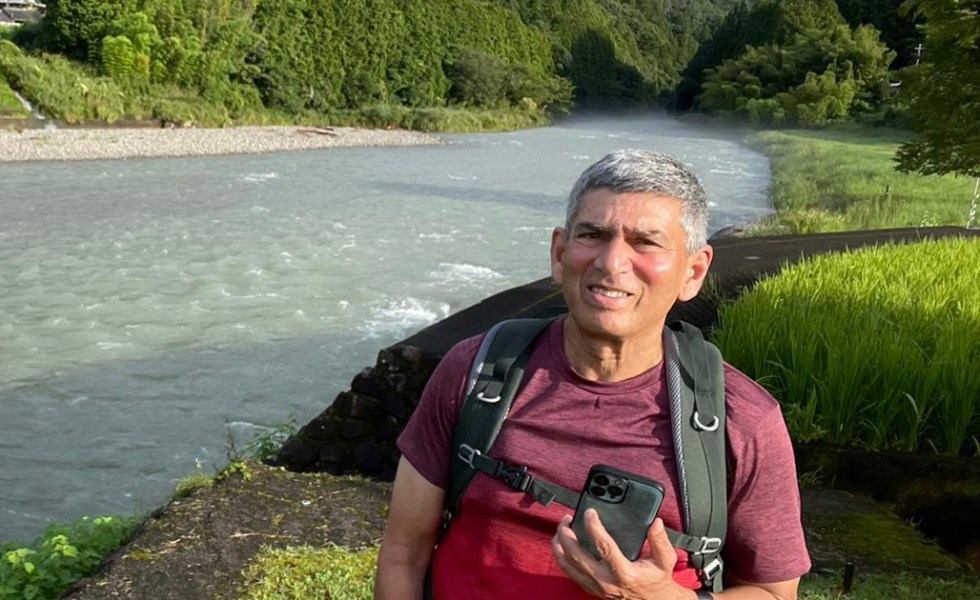
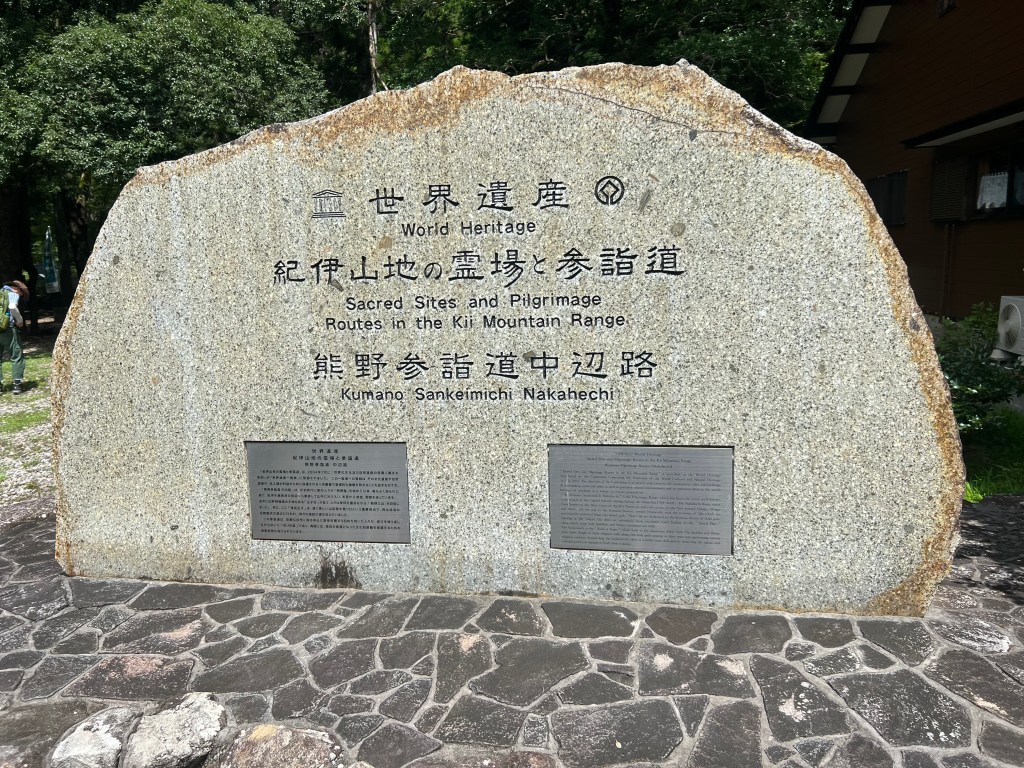
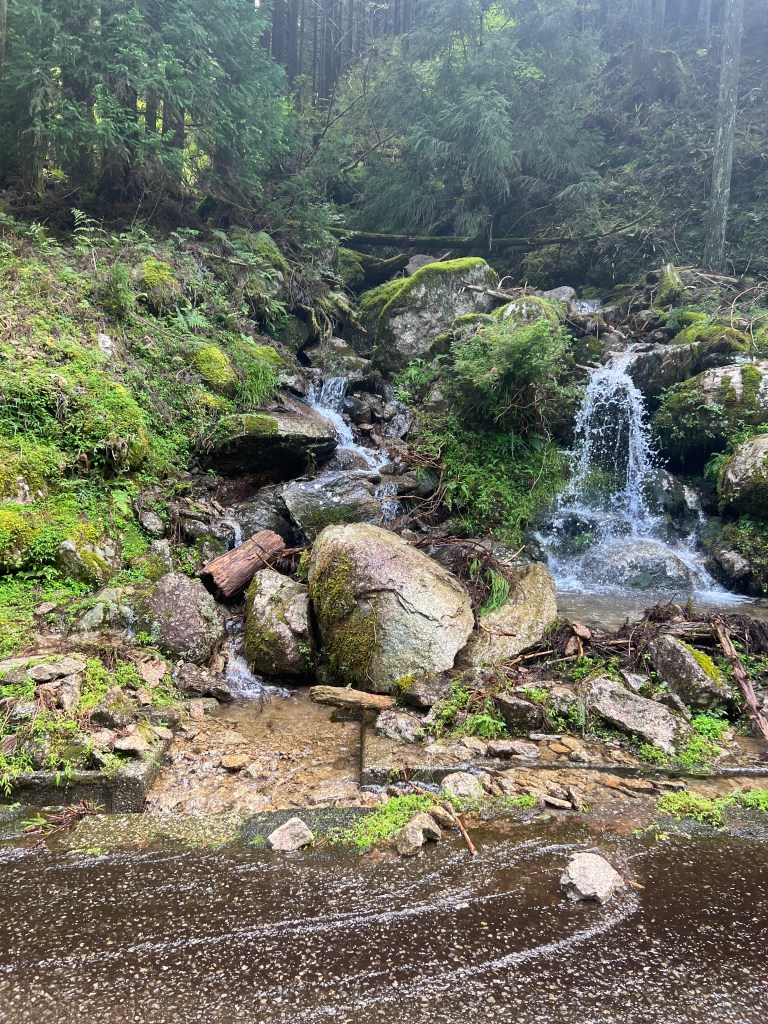
Kumano Kodo is a network of ancient pilgrim trails in the Kii mountain range south of Osaka. Some of the trails go back a thousand years. We decided on the more frequented six-day Nakahechi trail. The pilgrims’ destinations were, and still are, three major shrines: Hongu, Nachi and Shingu.
August, I was told, was the worst possible time to visit Japan for anything, let alone high energy activity. As if the normally stinking hot and very humid summer wasn’t enough, Japan was also experiencing a heatwave which dialled up the discomfort a few notches above extreme. In the Kii mountains, the temperature thankfully stayed in the mid-twenties. The humidity never bothered me.
Day 1
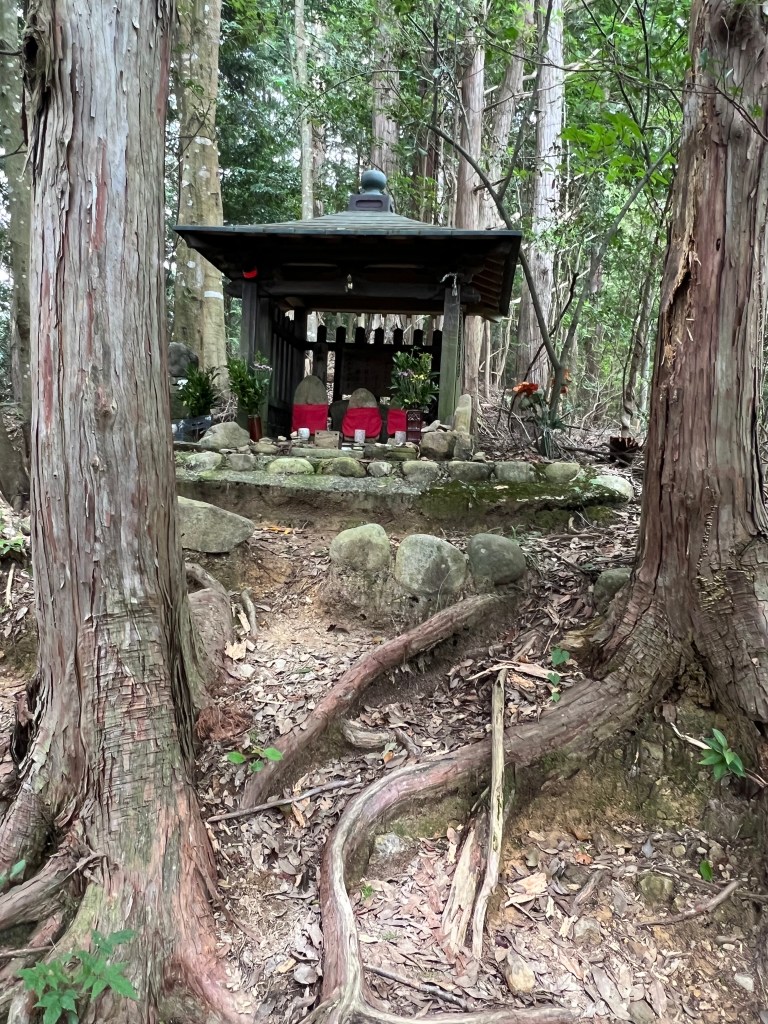
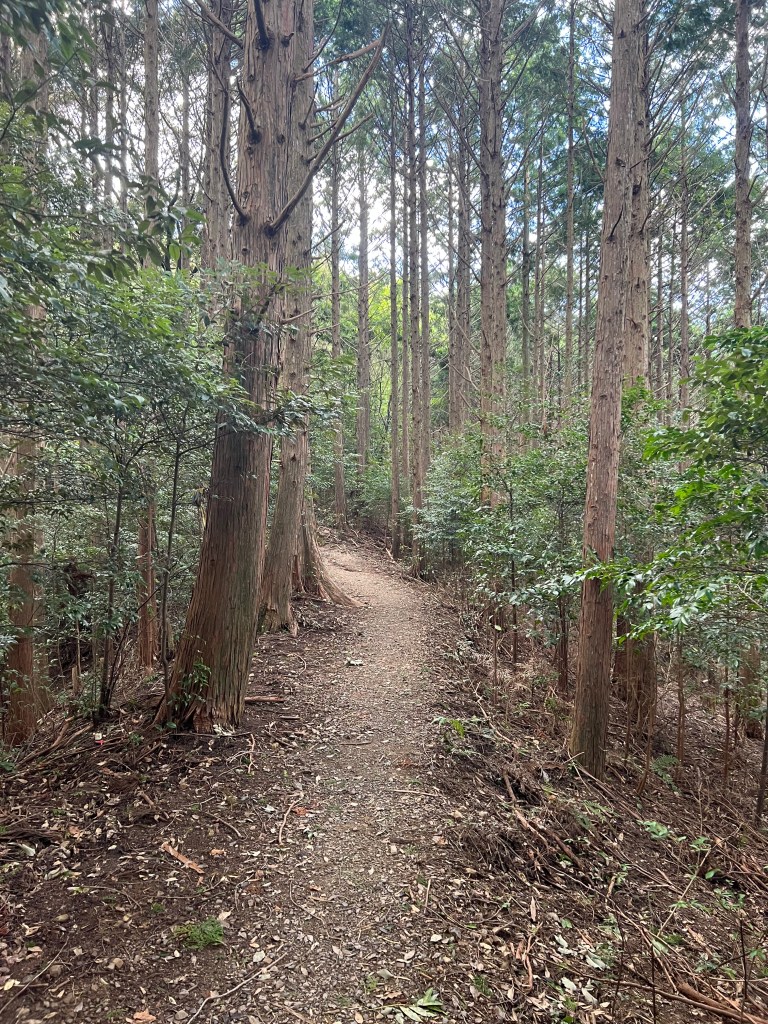
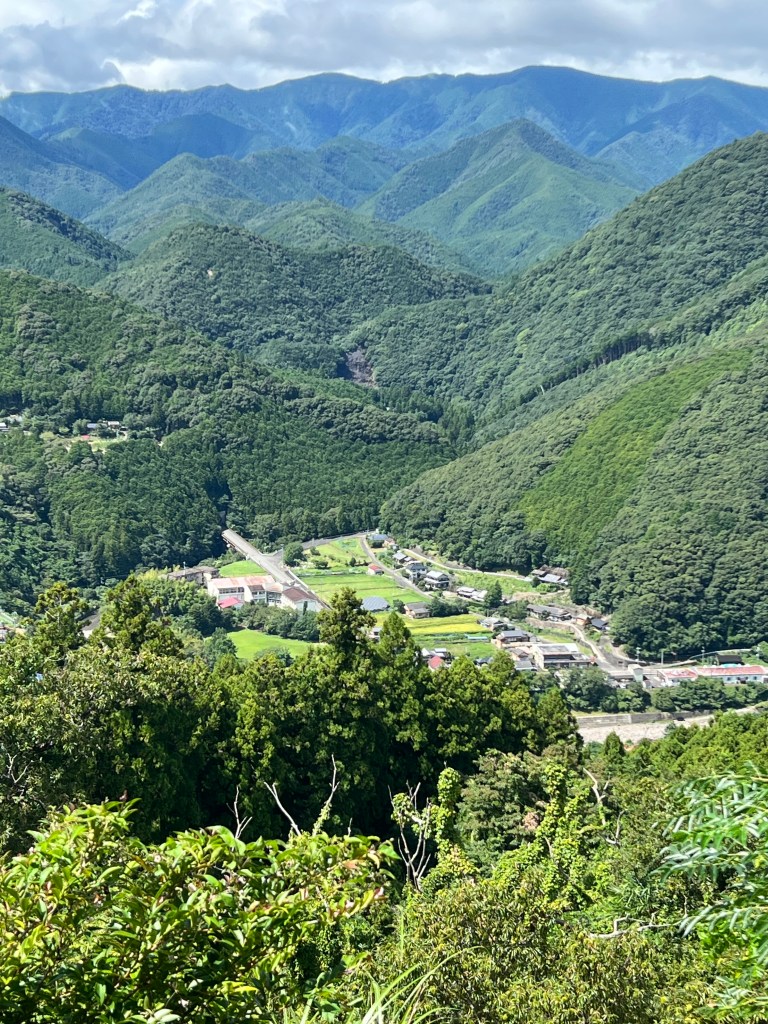
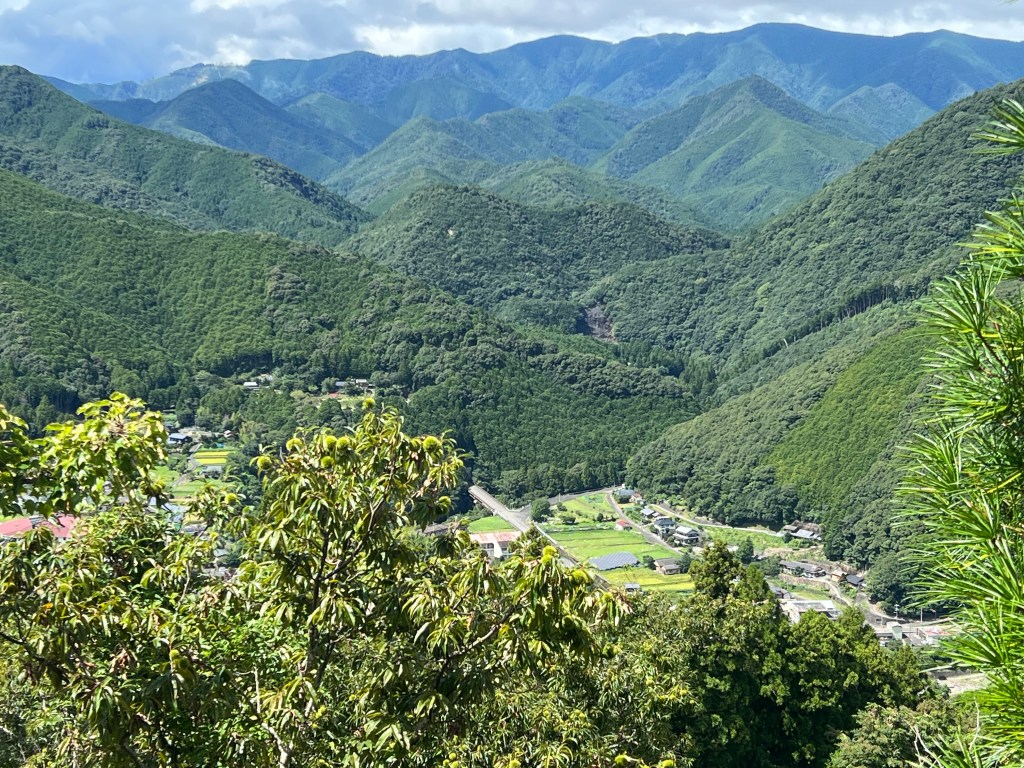
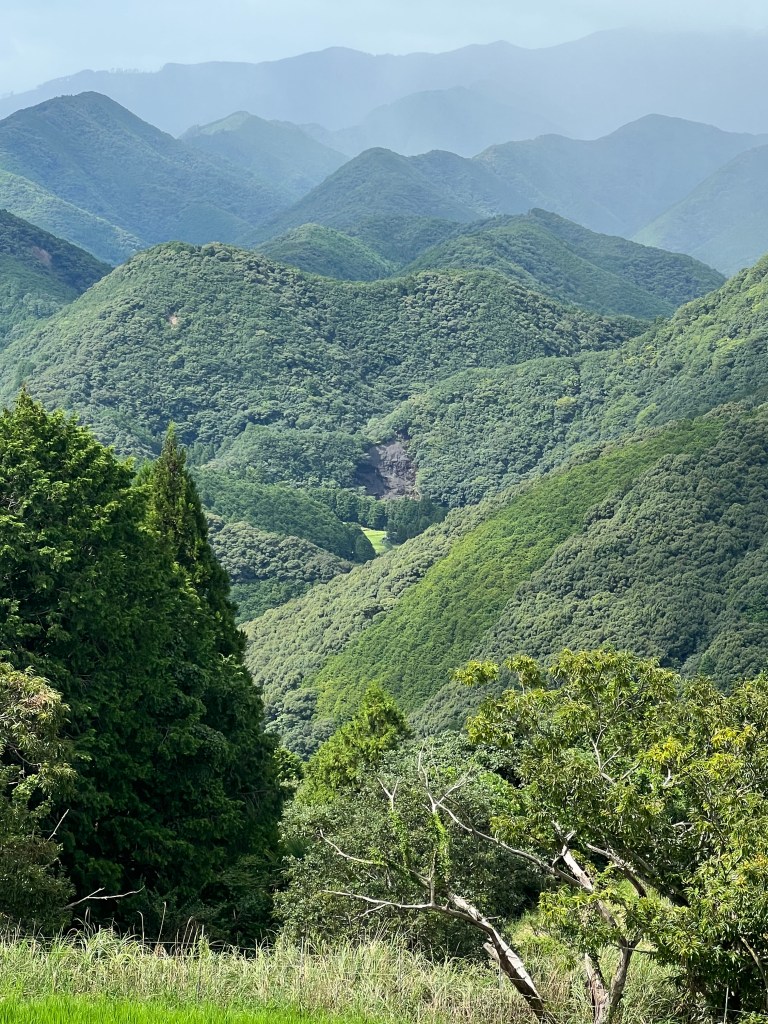
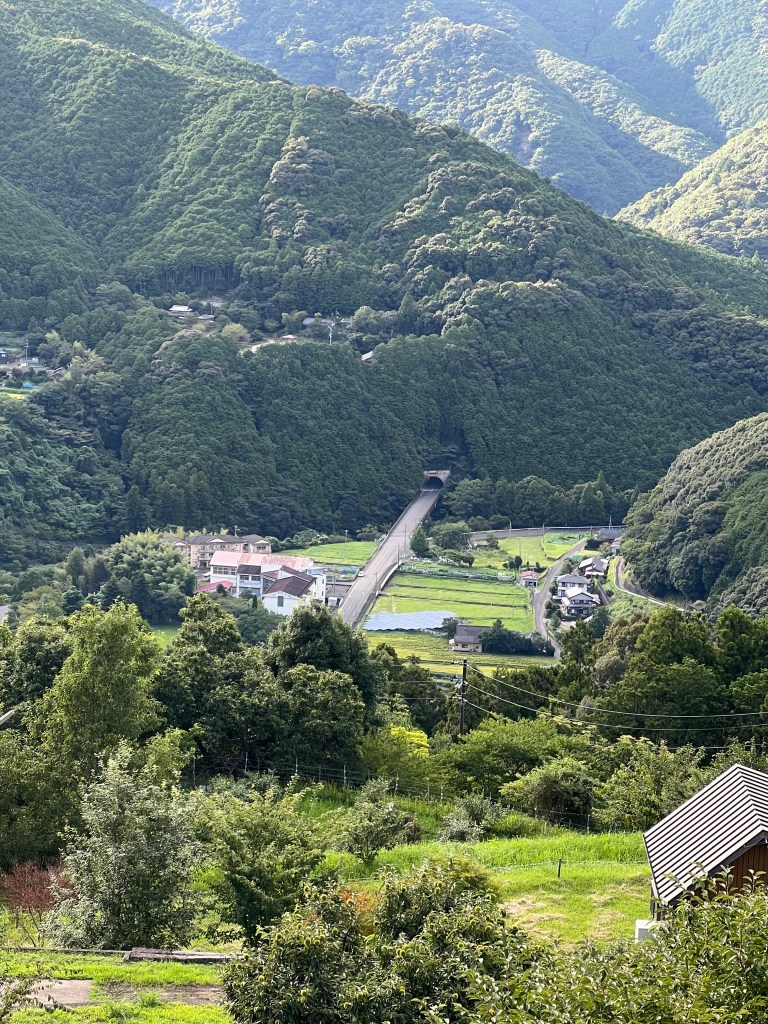
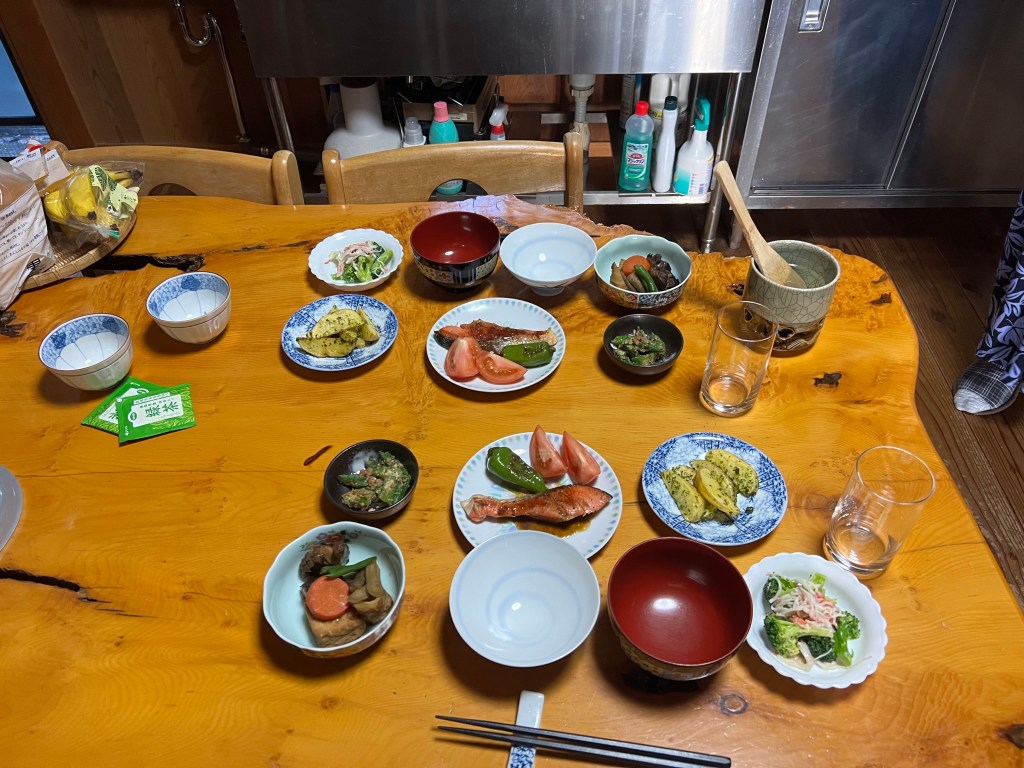
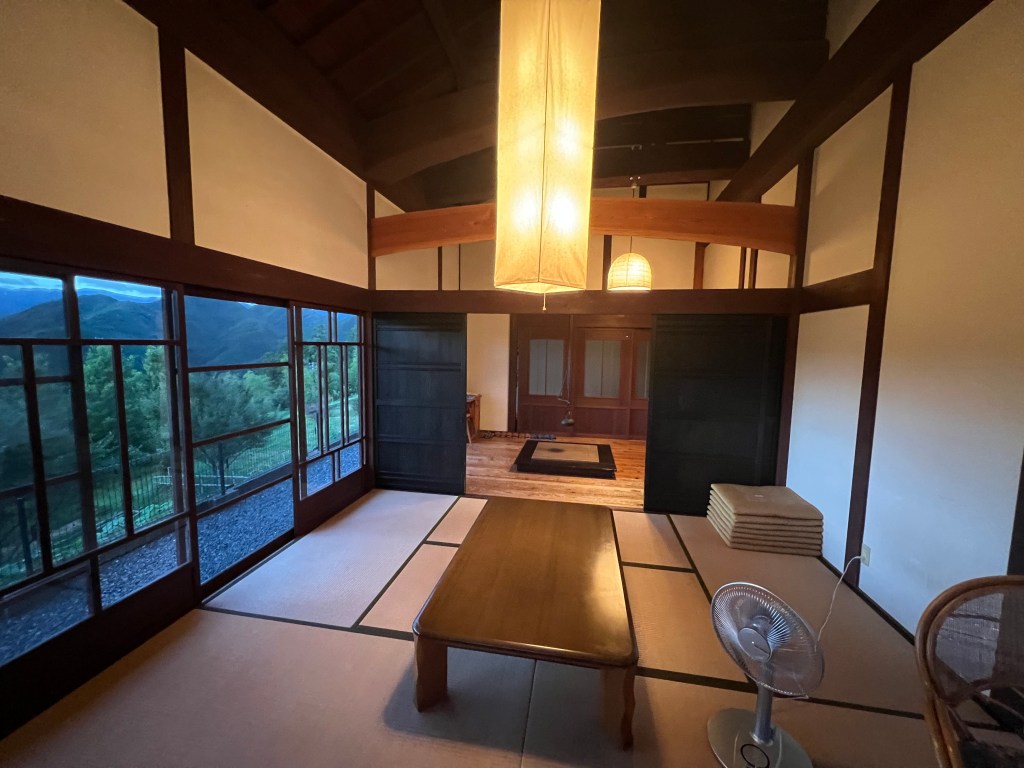
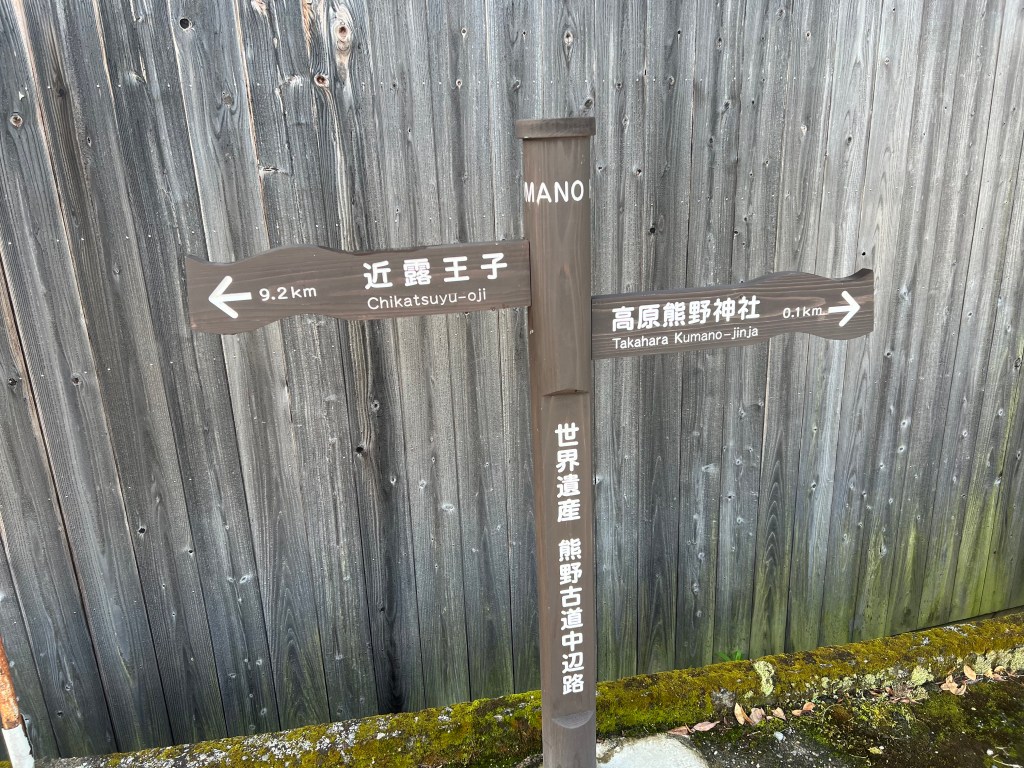
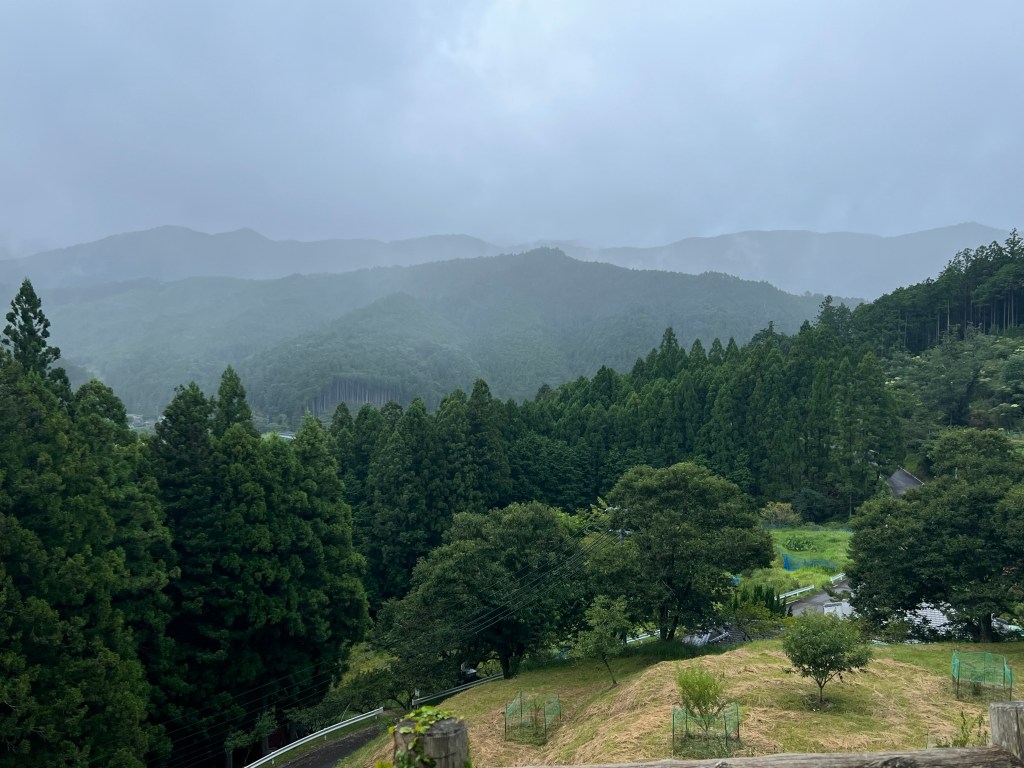
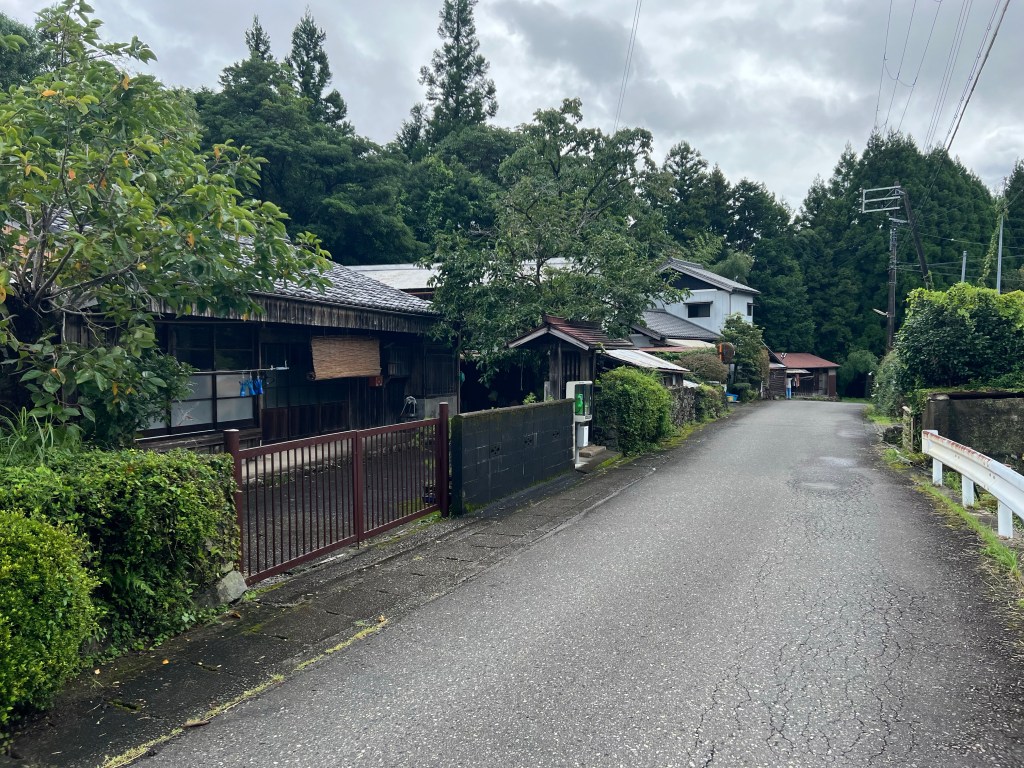
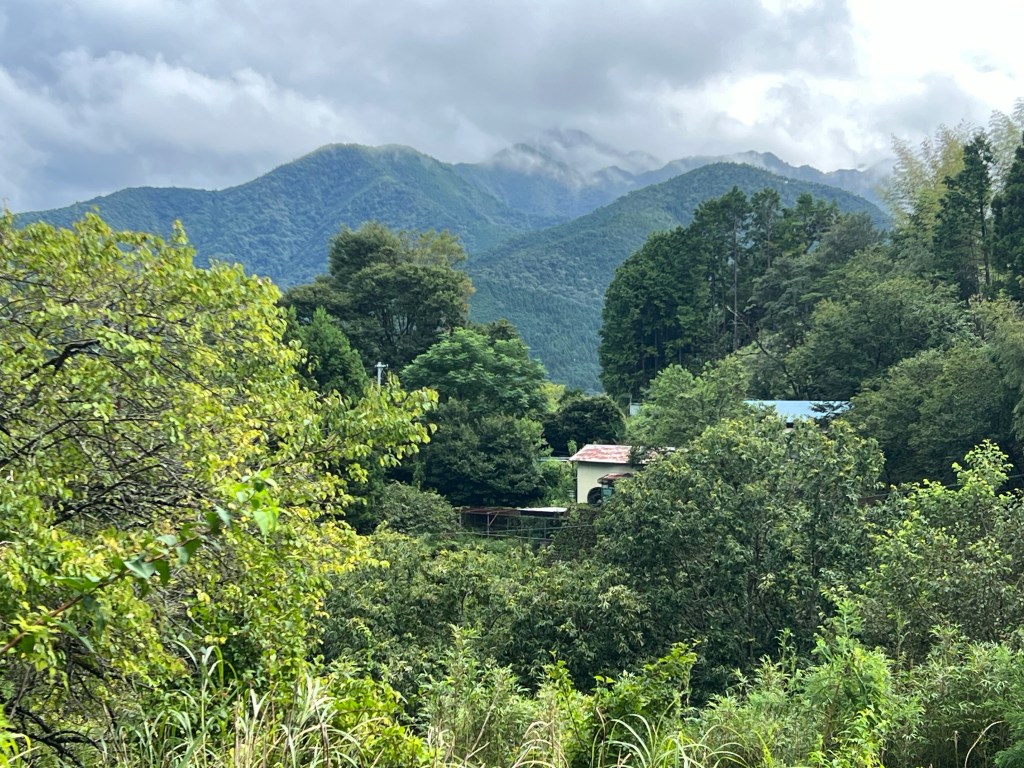
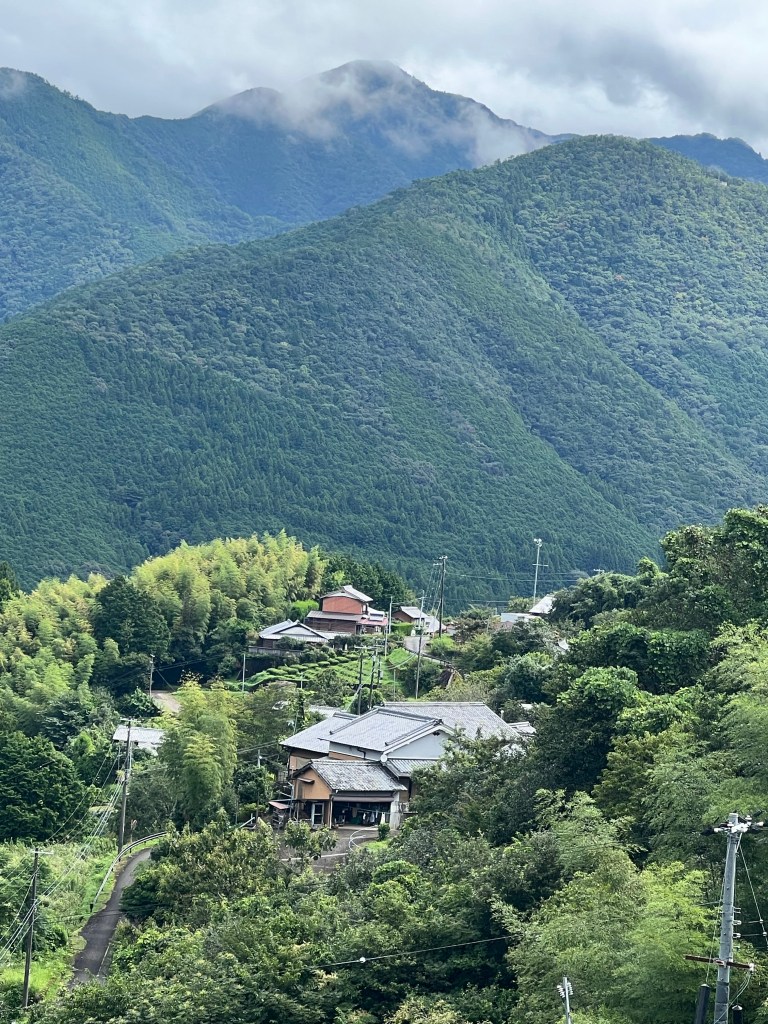
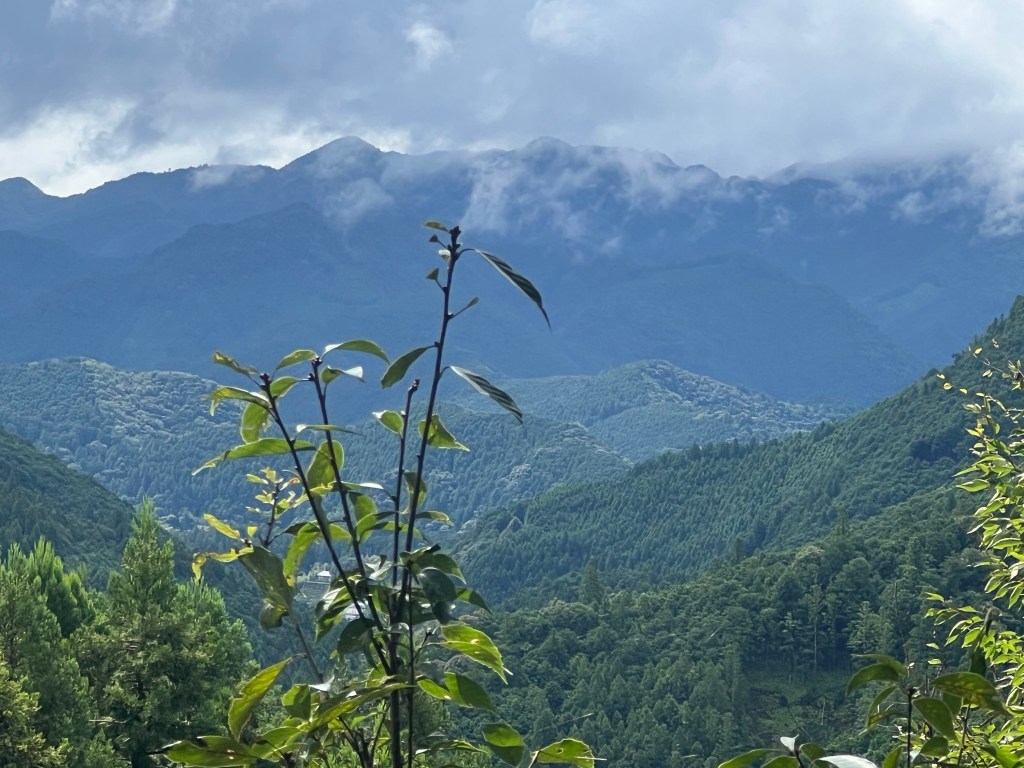
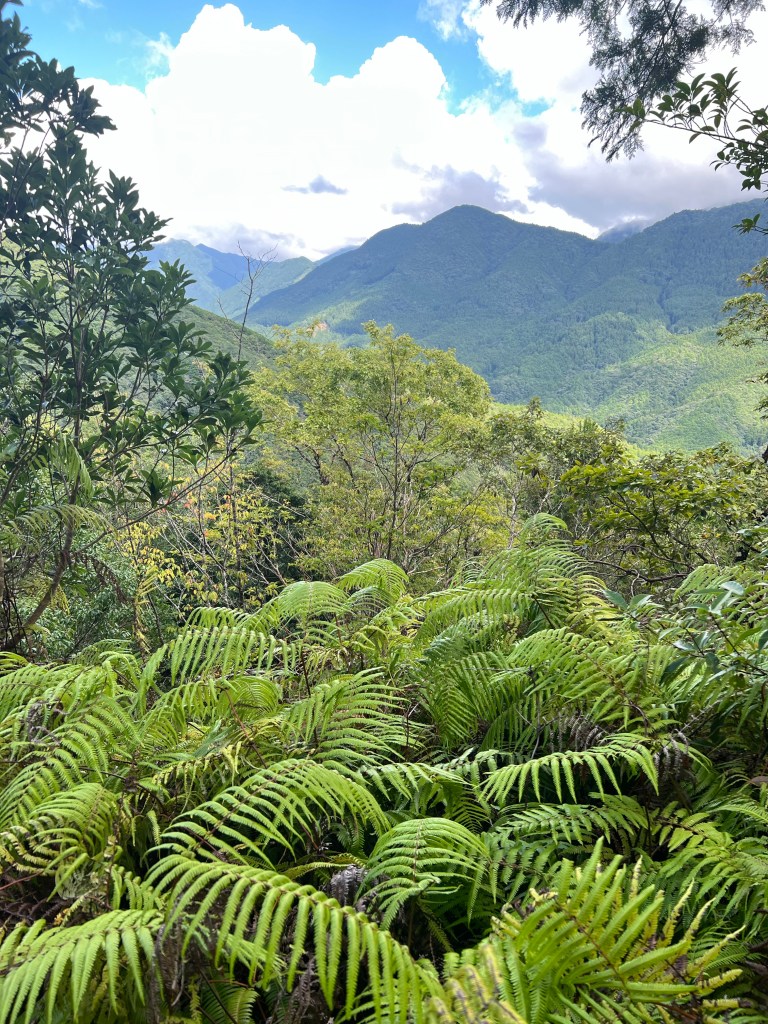
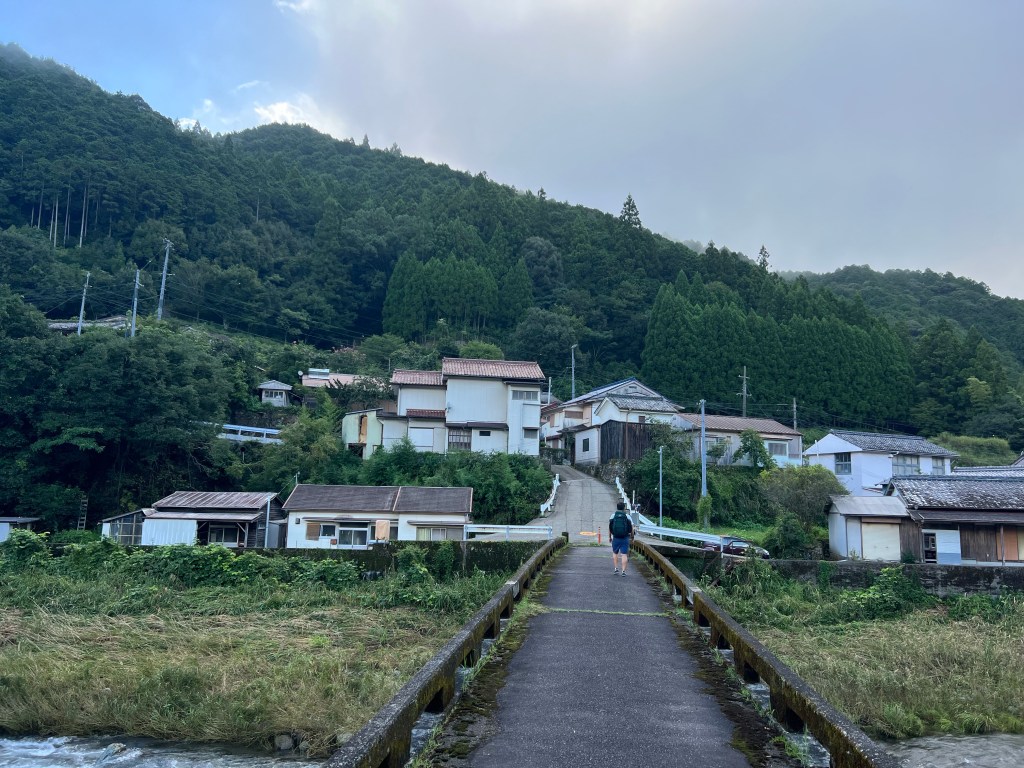
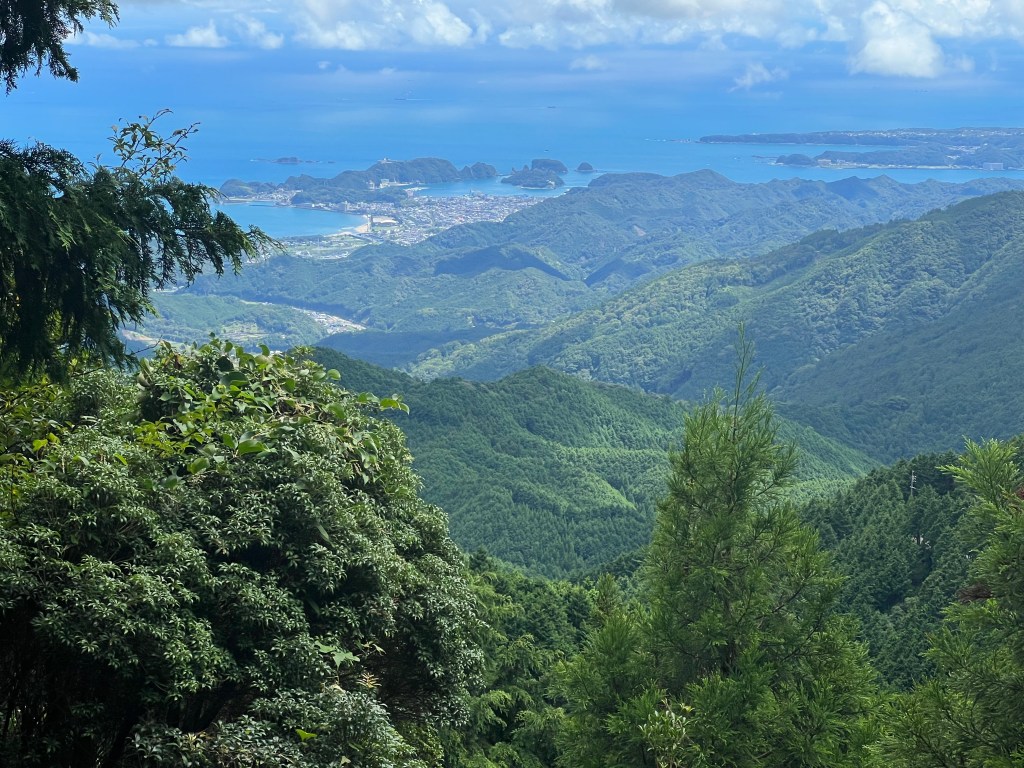
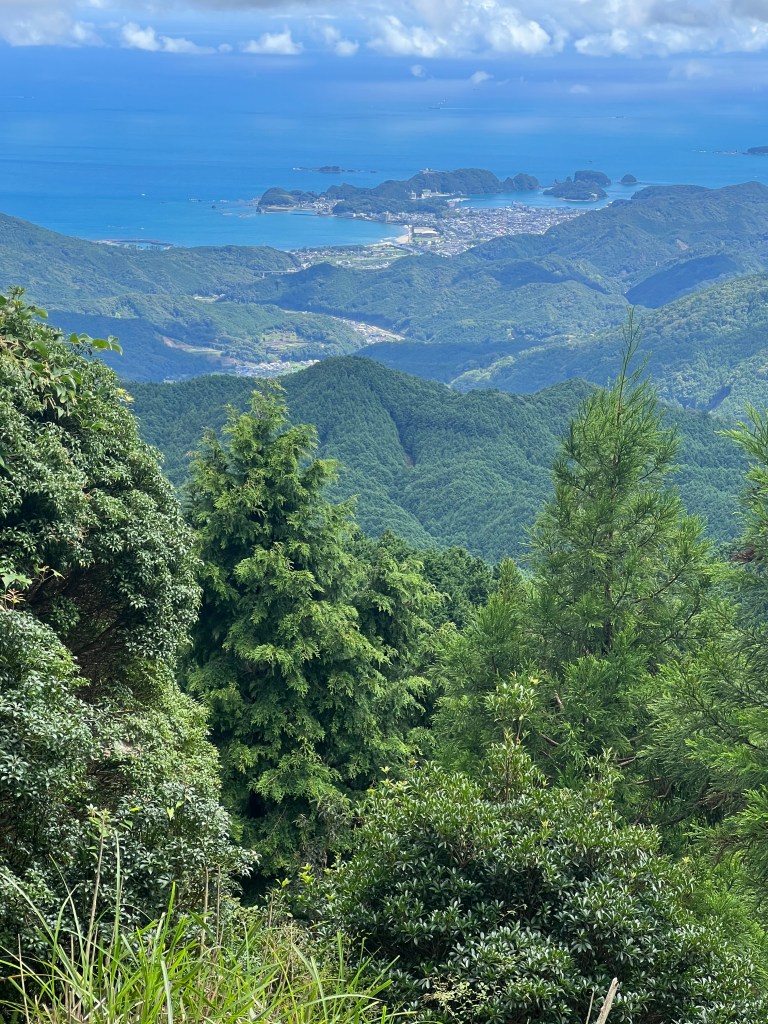
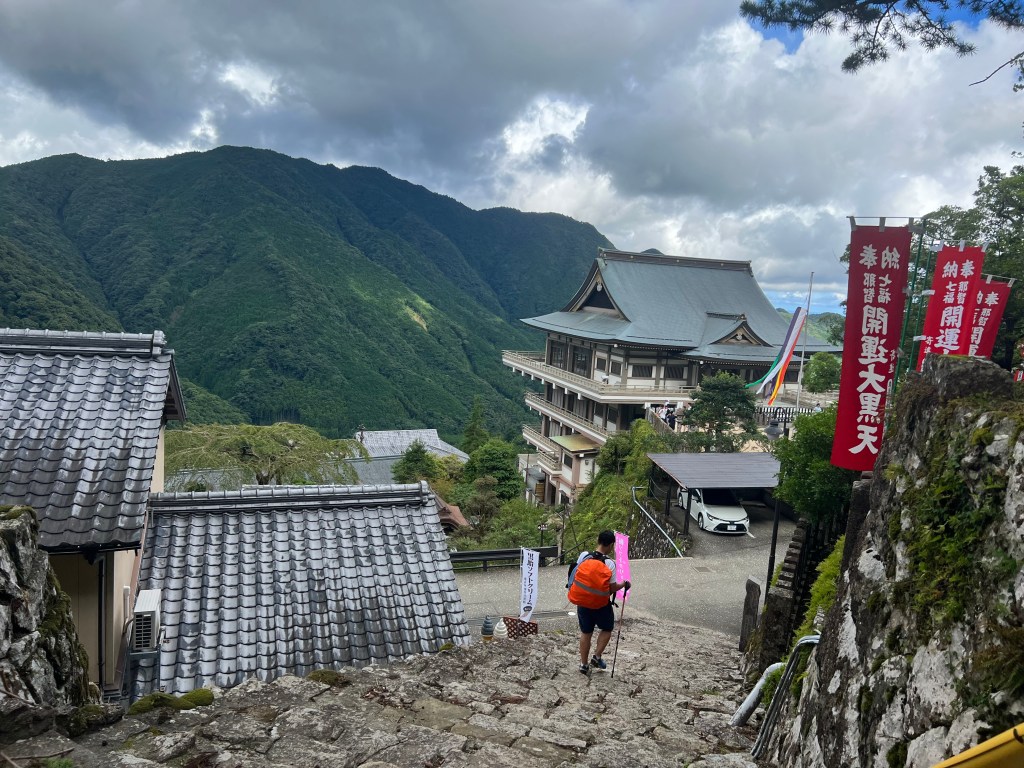
A 4 kilometre ascent to Takahara. Relentless steep sections assaulted my cardiovascular system. Takahara is a sleepy village nestled on a hillside with stunning vistas of the valley and hills beyond. It seems to be inhabited by mostly elderly folk. We stayed overnight in a private home Ryokan style.

Day 2
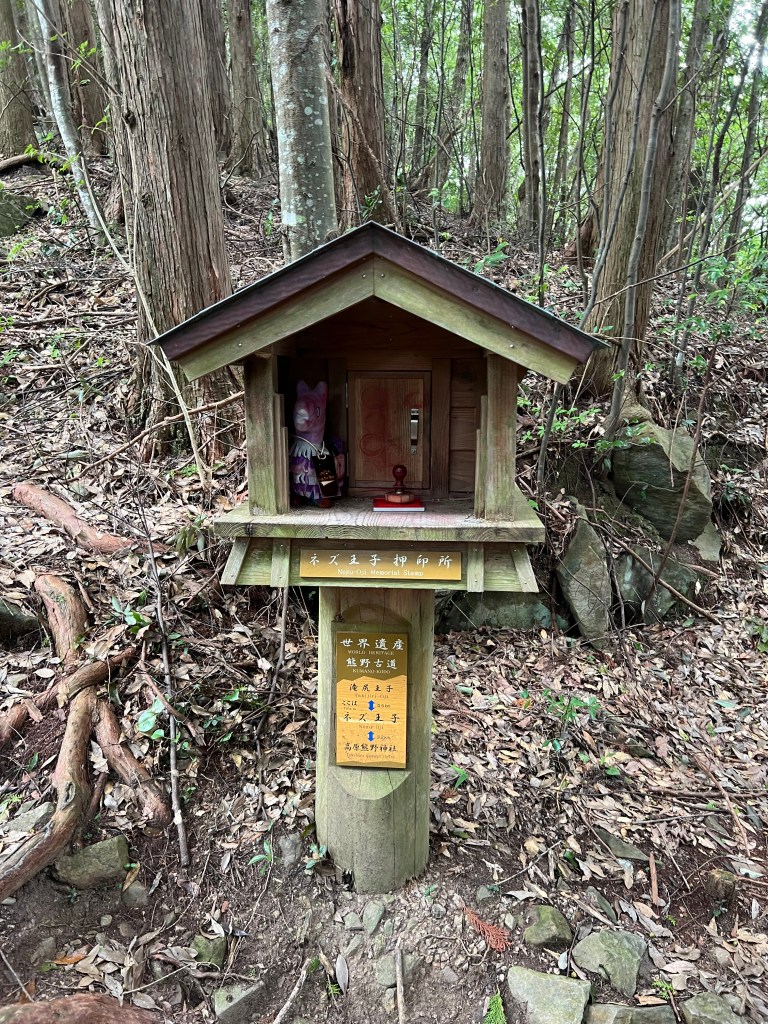
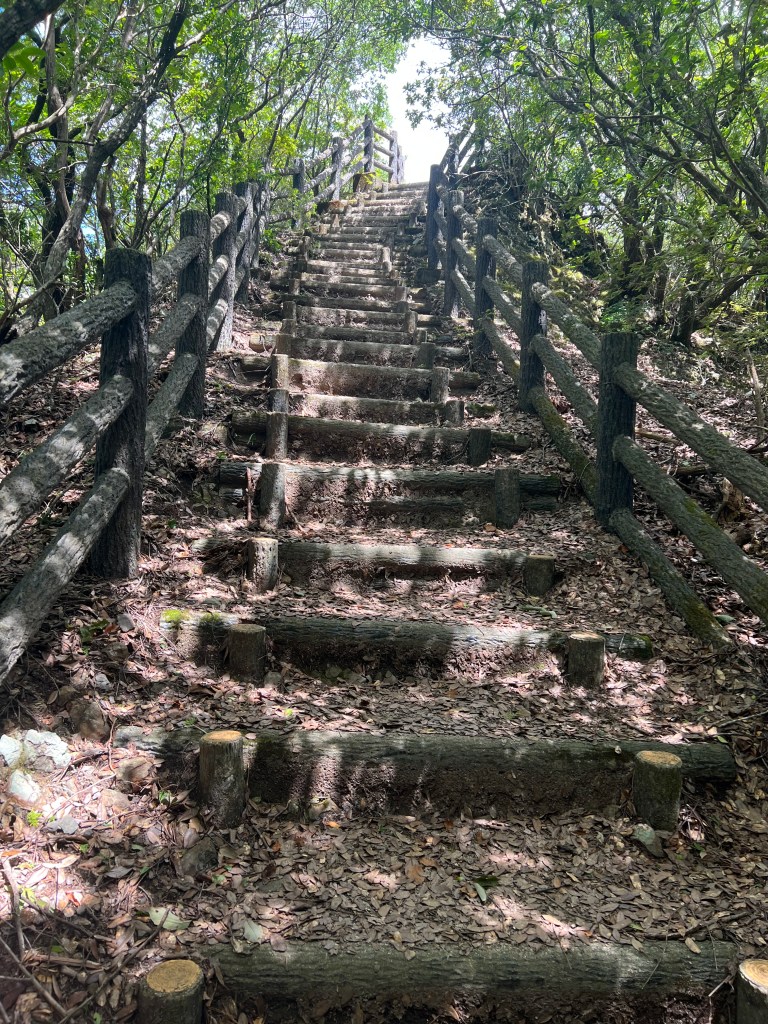
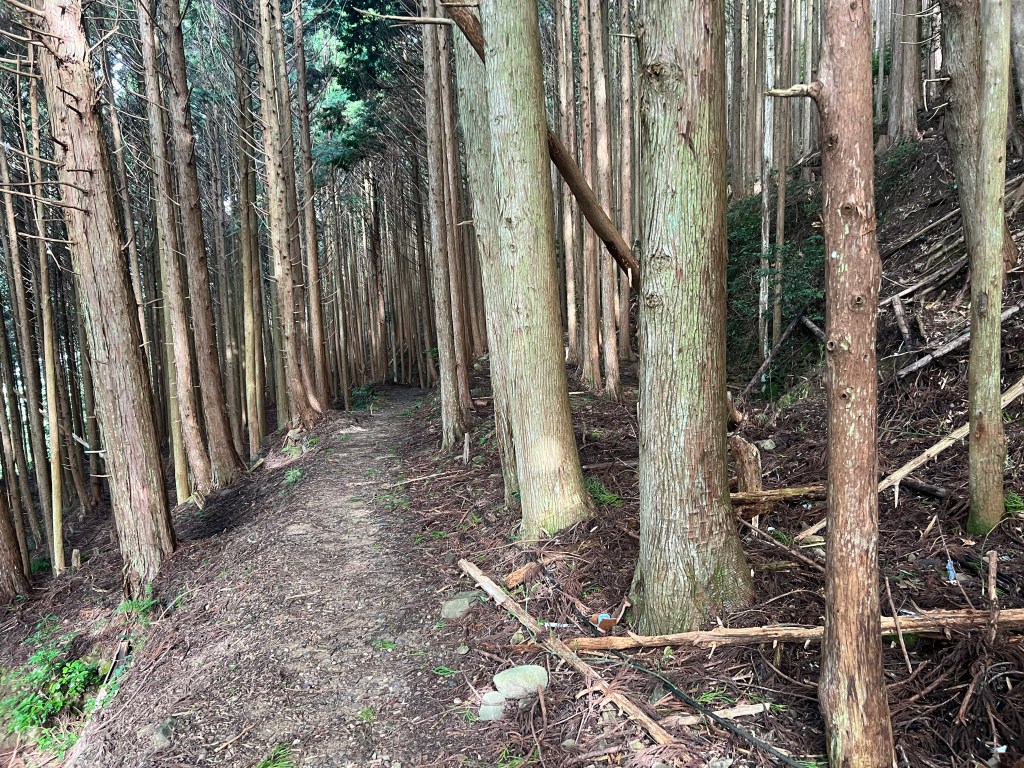
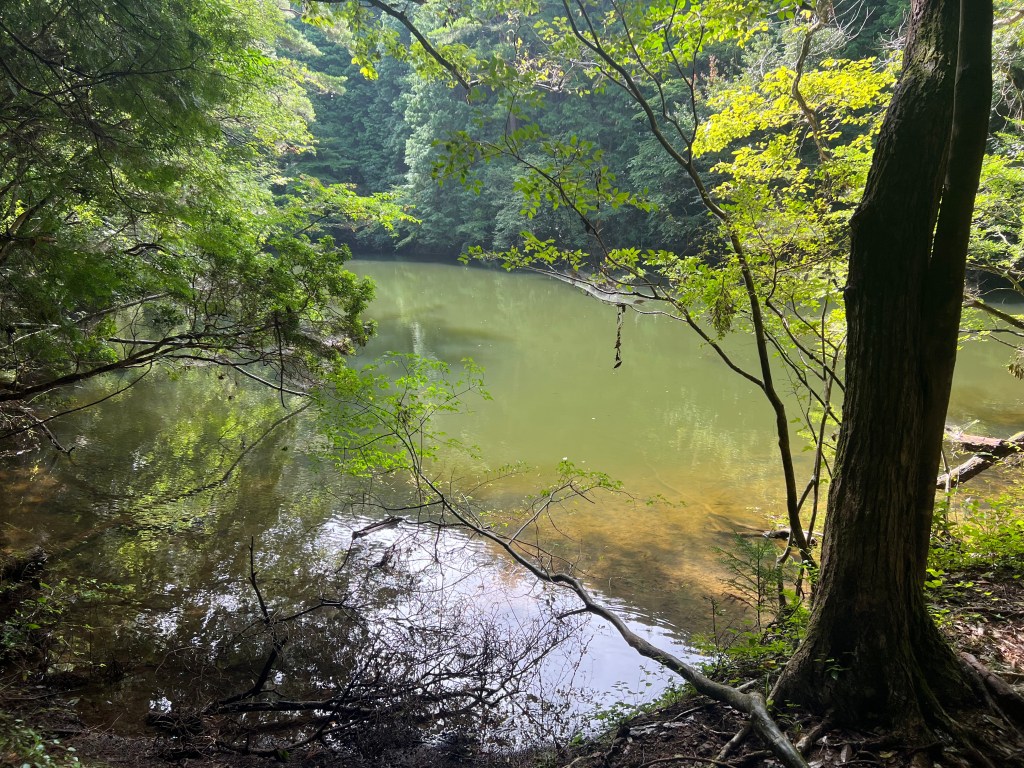
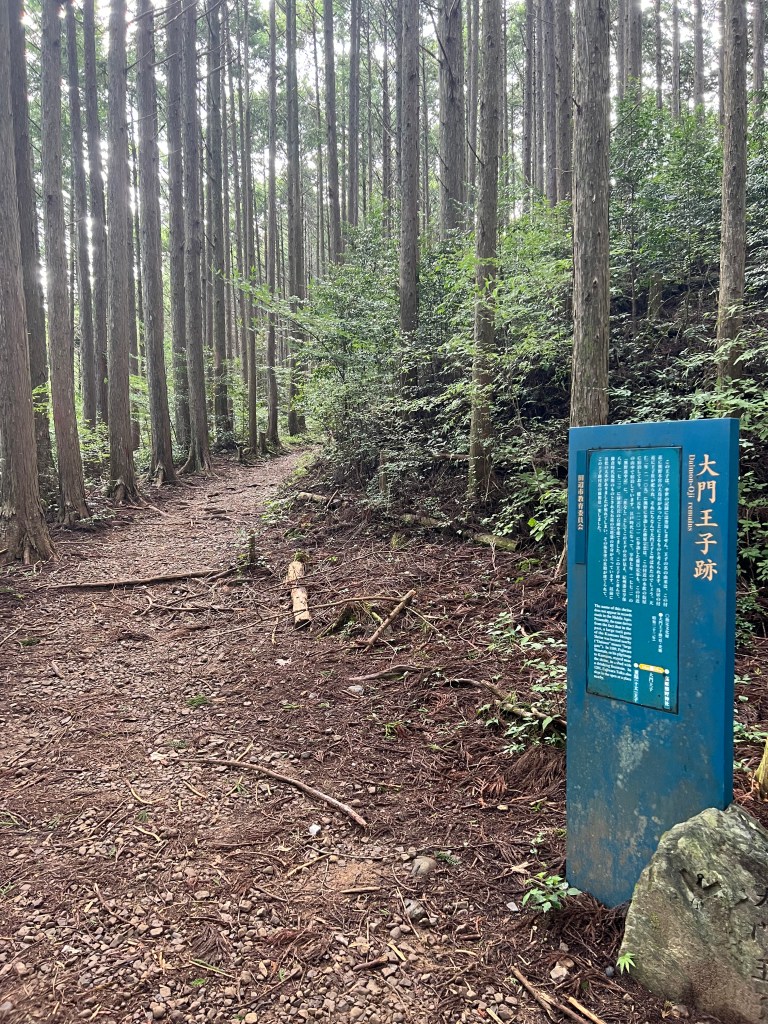
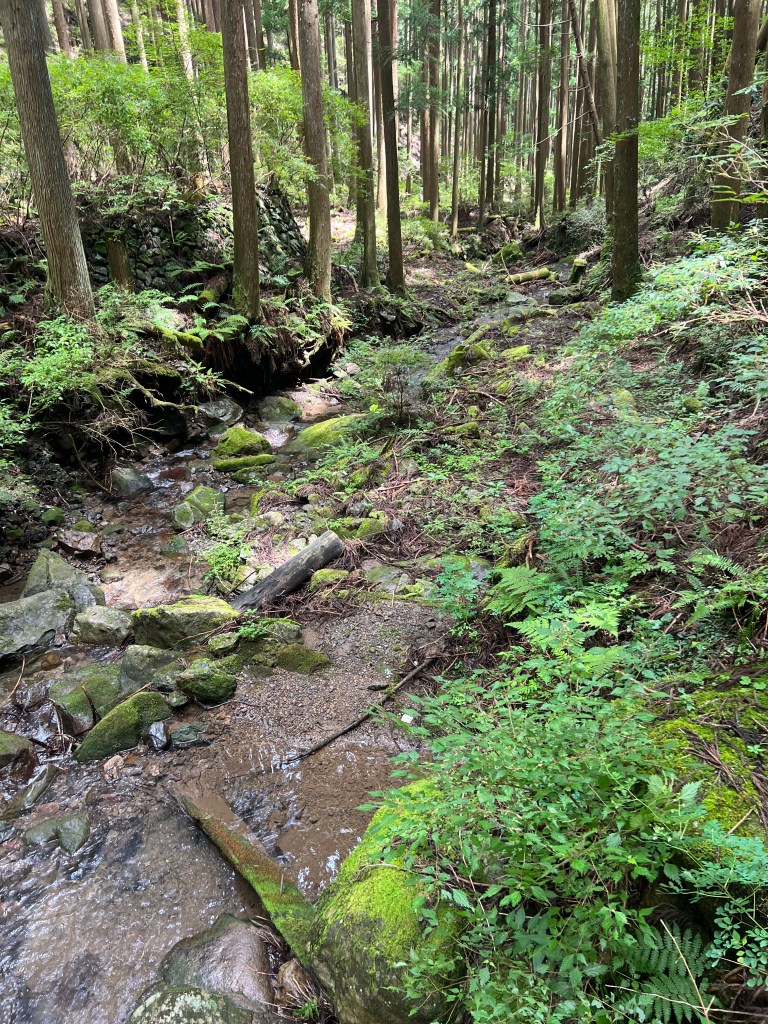
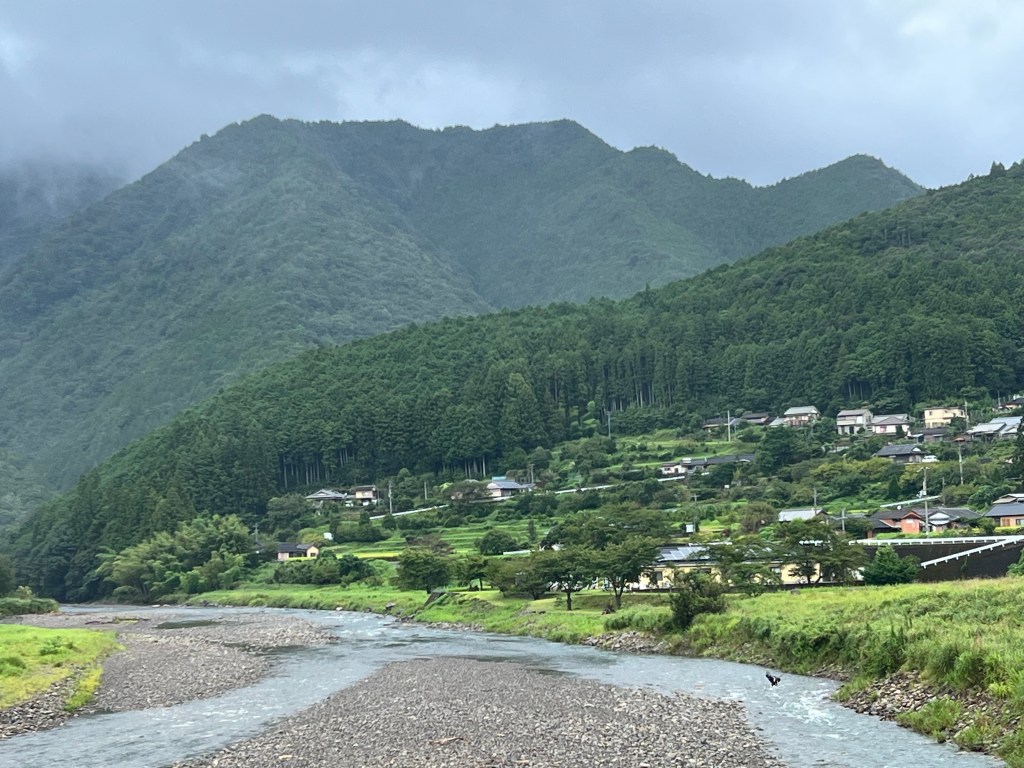
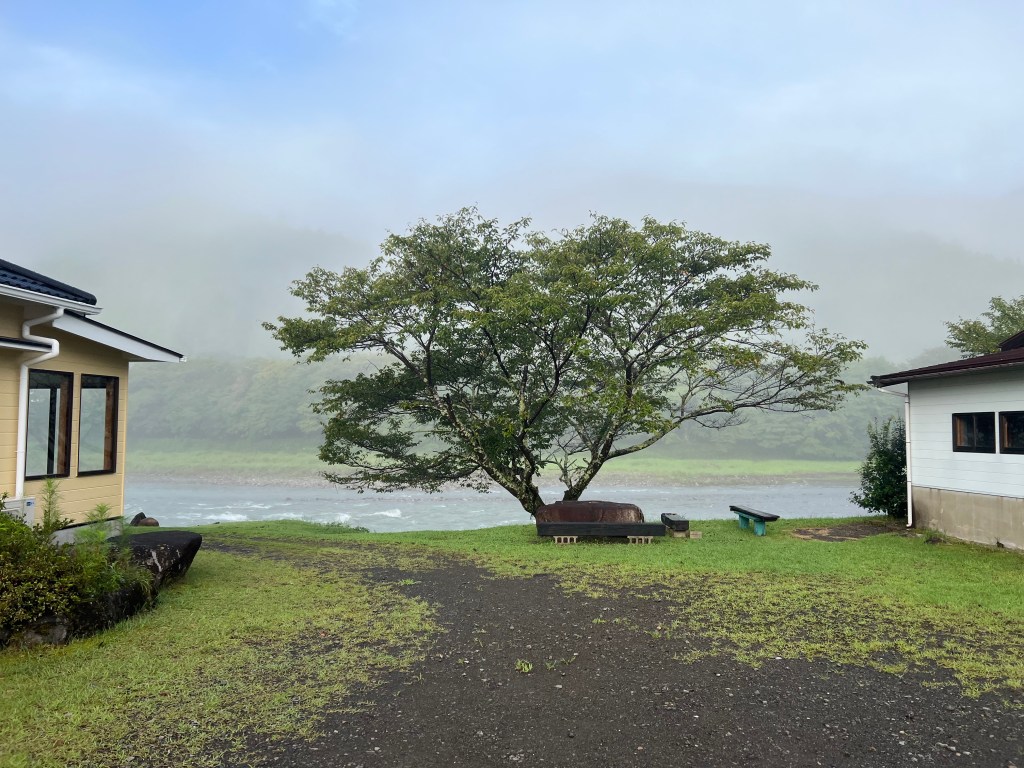
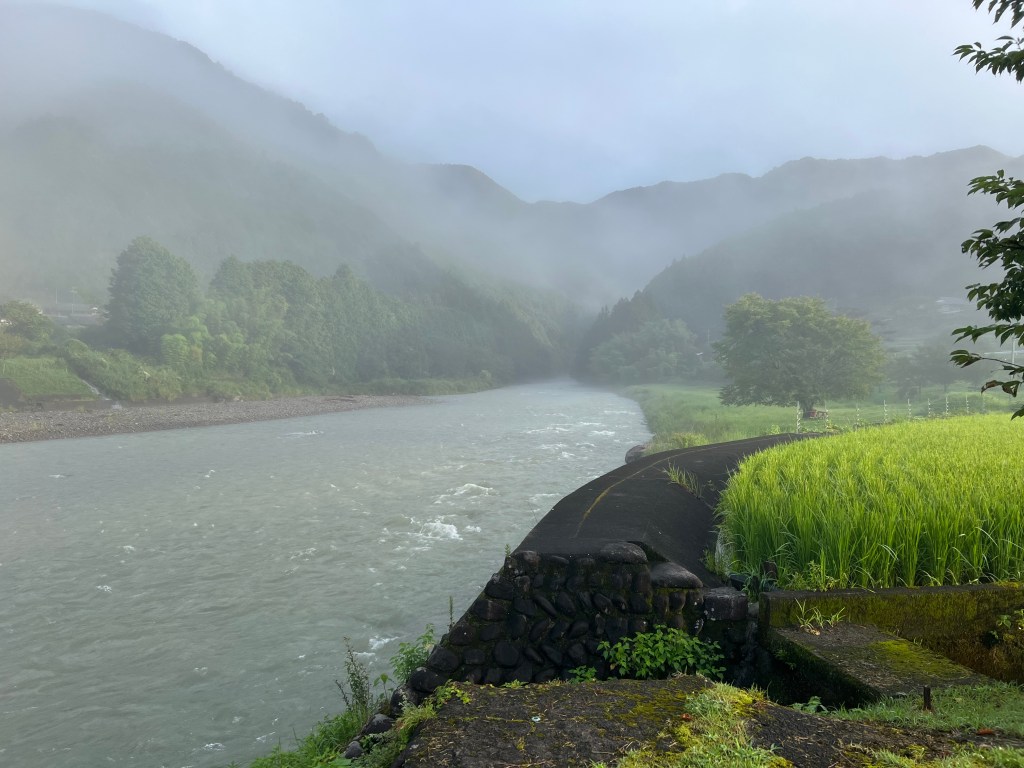
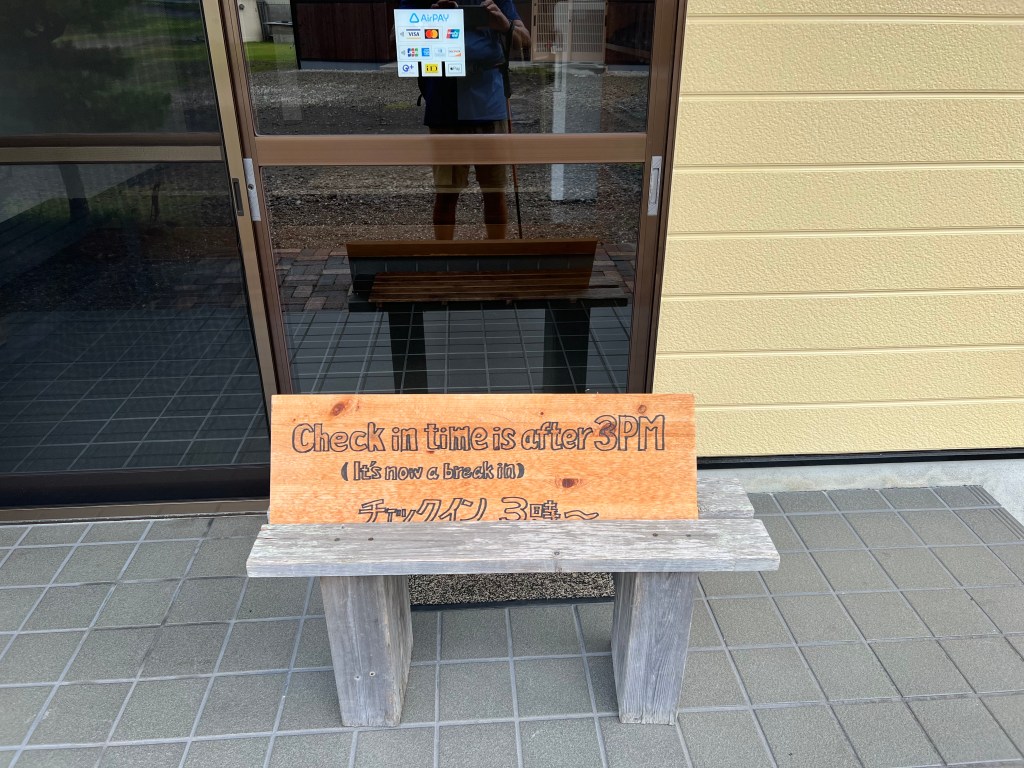
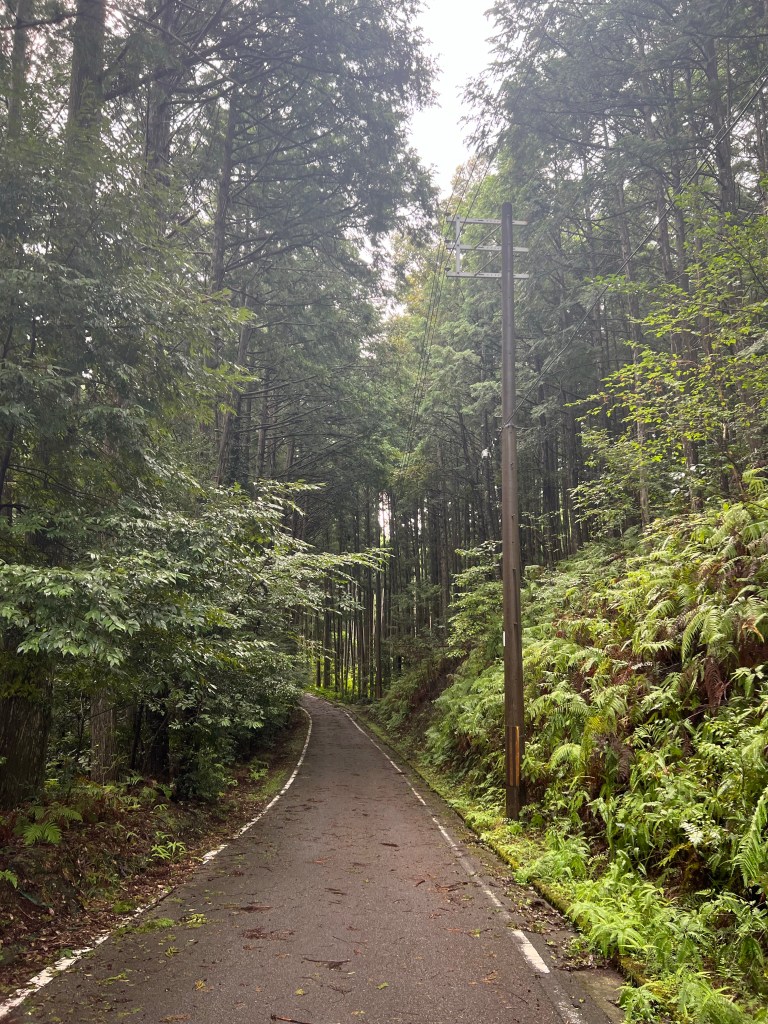
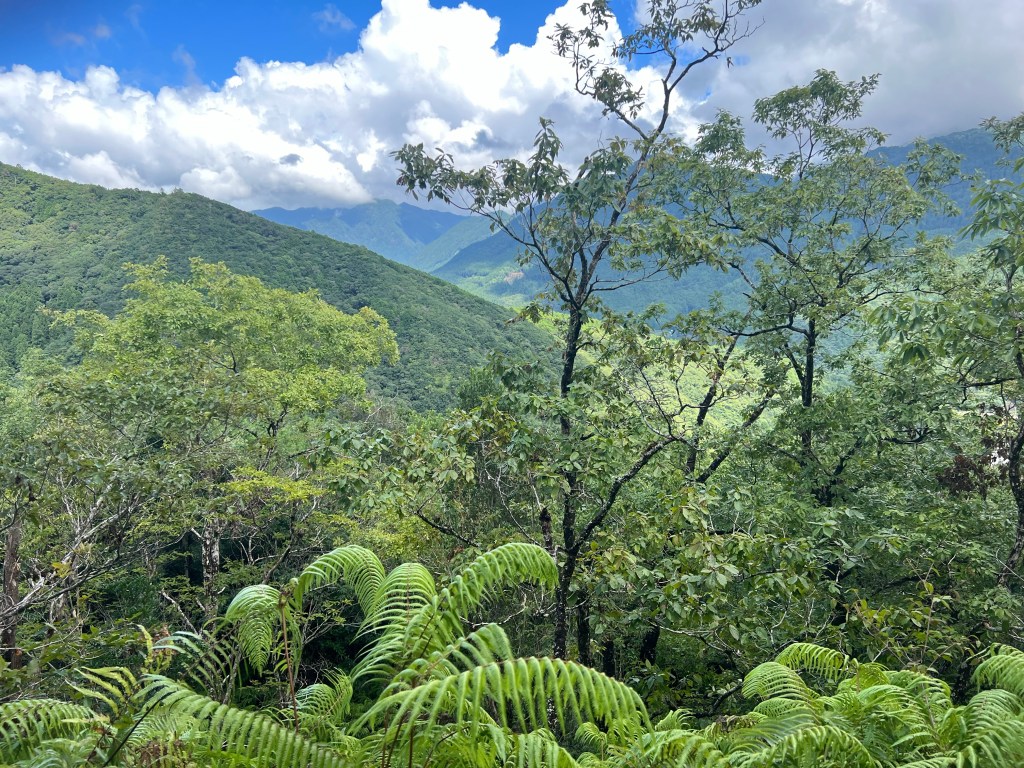
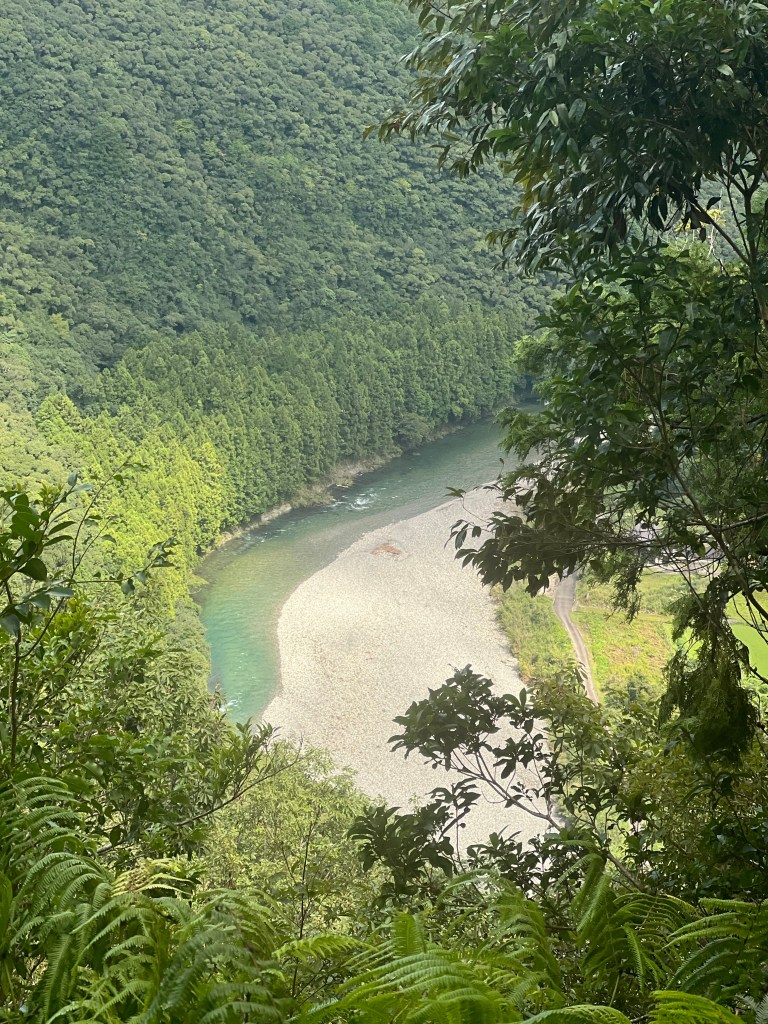
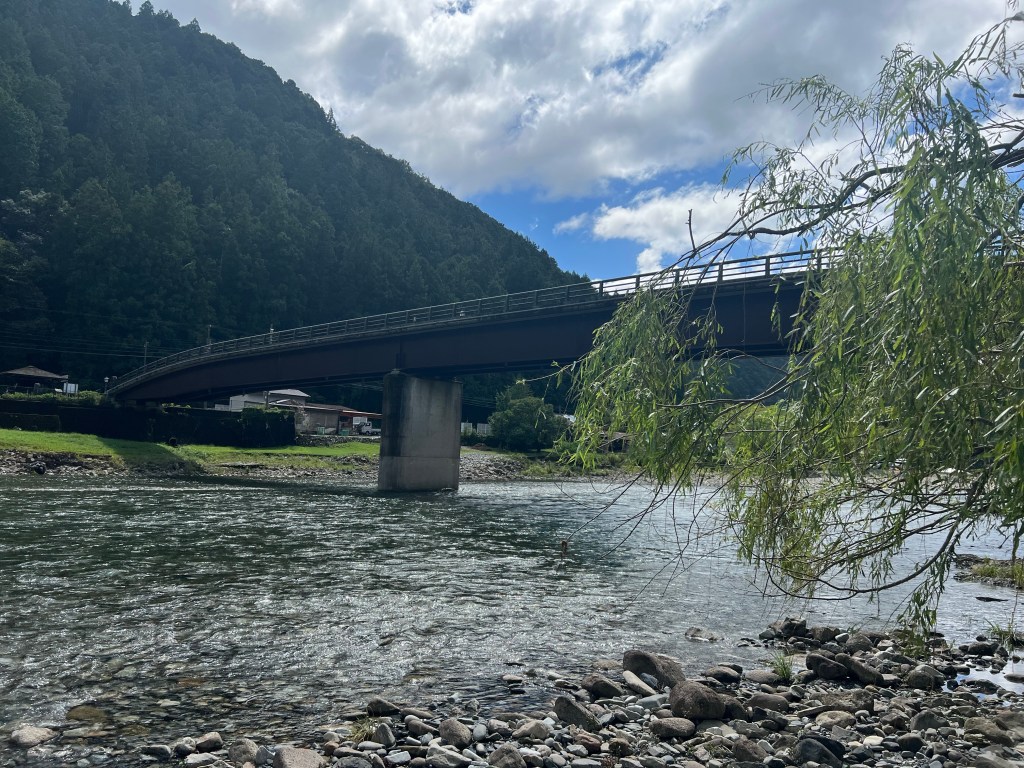
A 9 kilometre walk to Chikatsuyu, a town in a valley. The trail took us through forests and open country. The climbs were long, some seemed reluctant to end, but not as steep as the previous day’s ascents. Our guesthouse, in a delightful riverside setting, served us five star meals.


Day 3
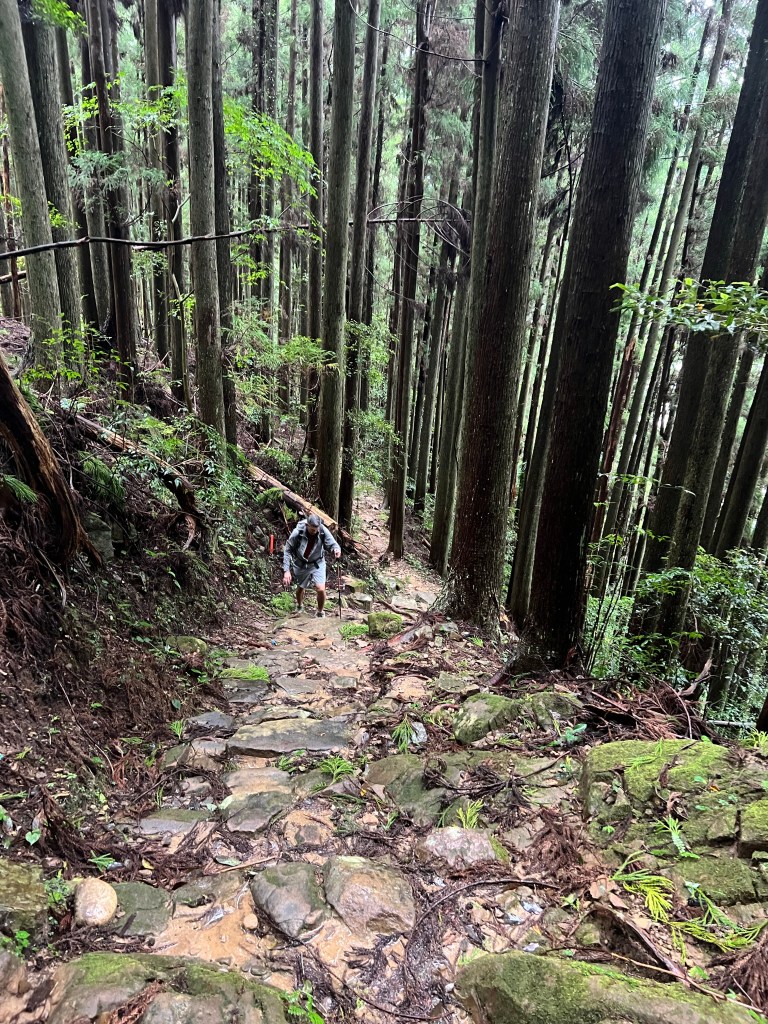
A 7 kilometre walk to Hongu Shrine. A long uphill section followed by a gently undulating stroll, and a long descent to finish up. Steep descents are the worst; they assault my knees and toes.
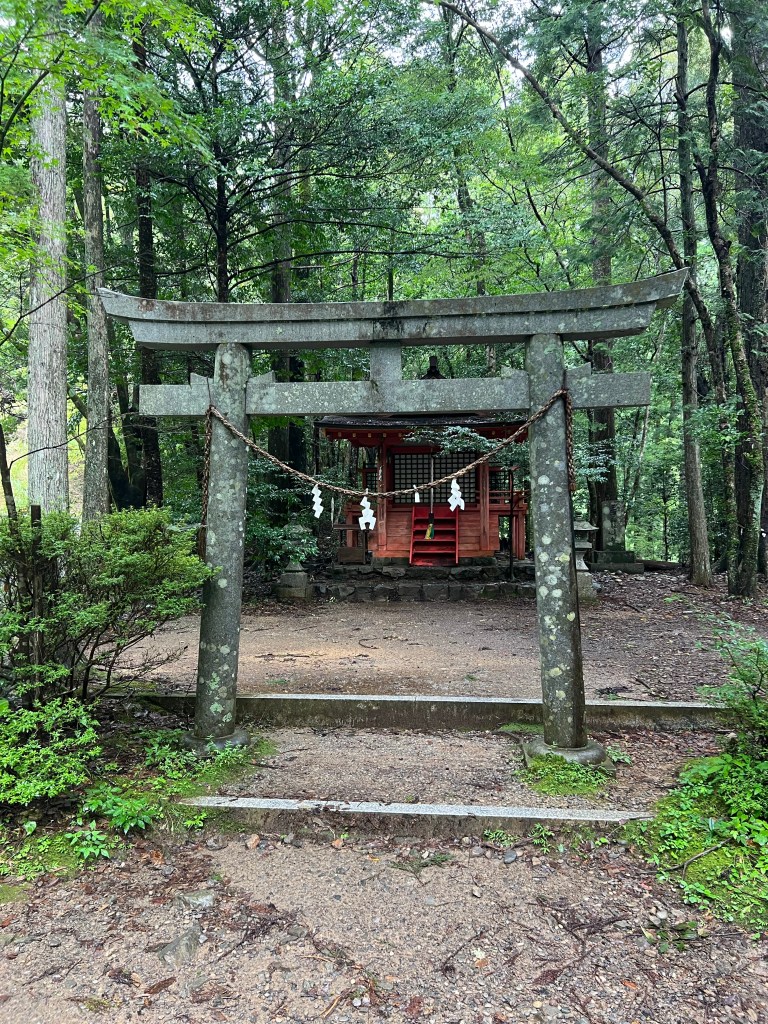
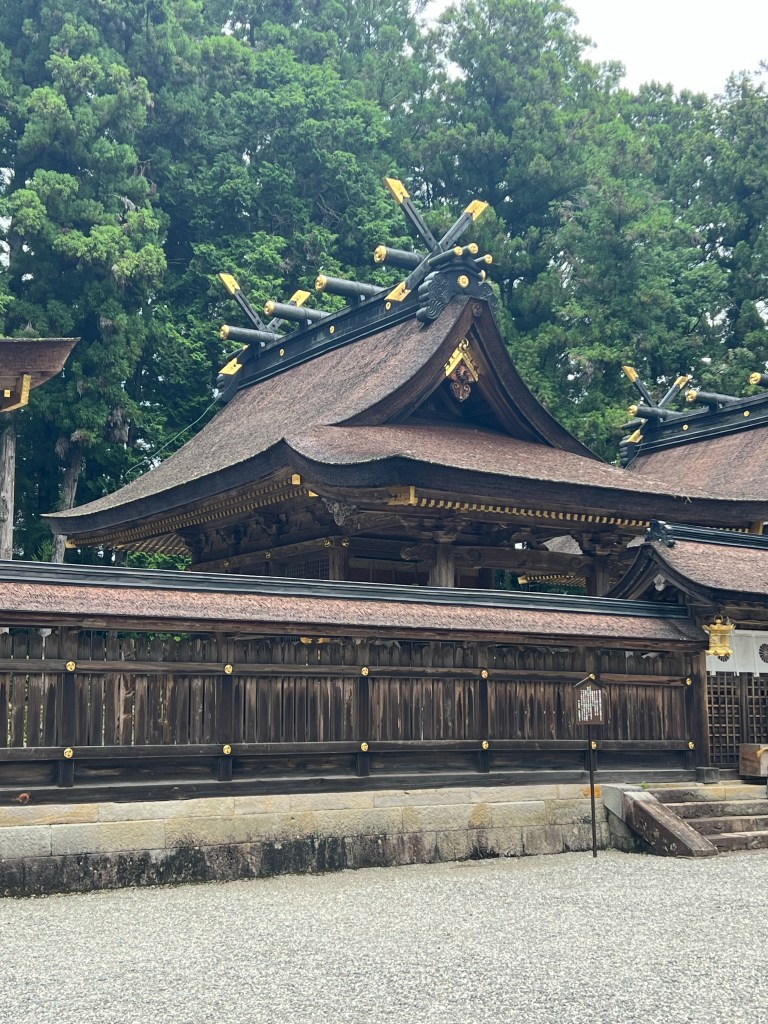
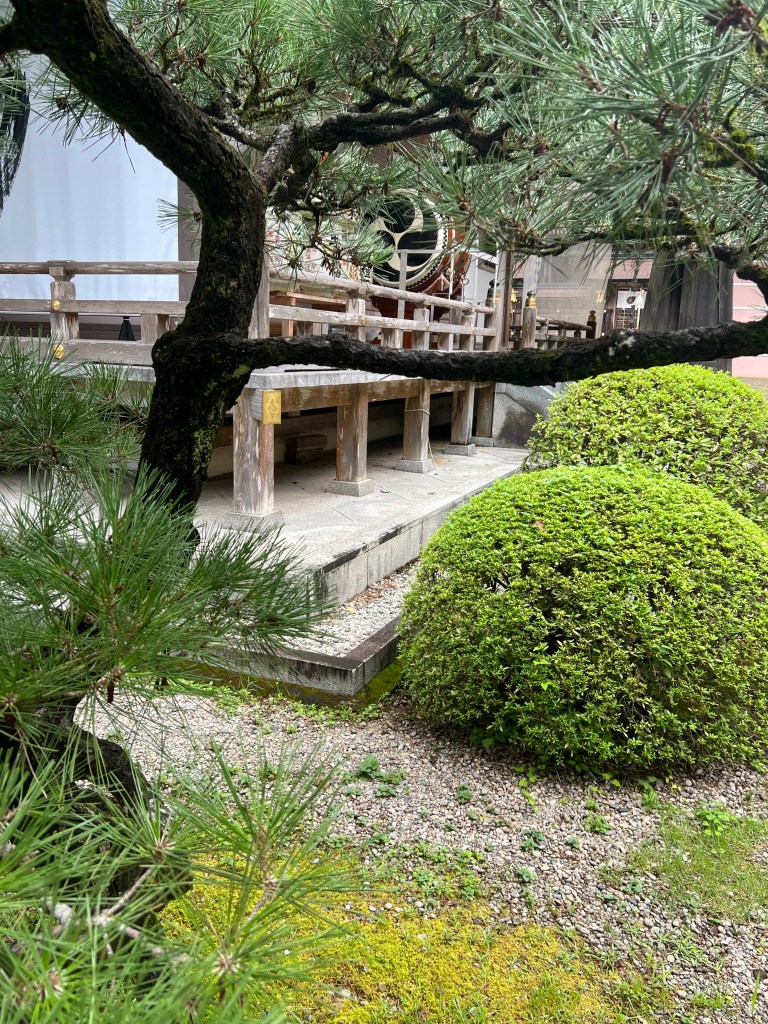
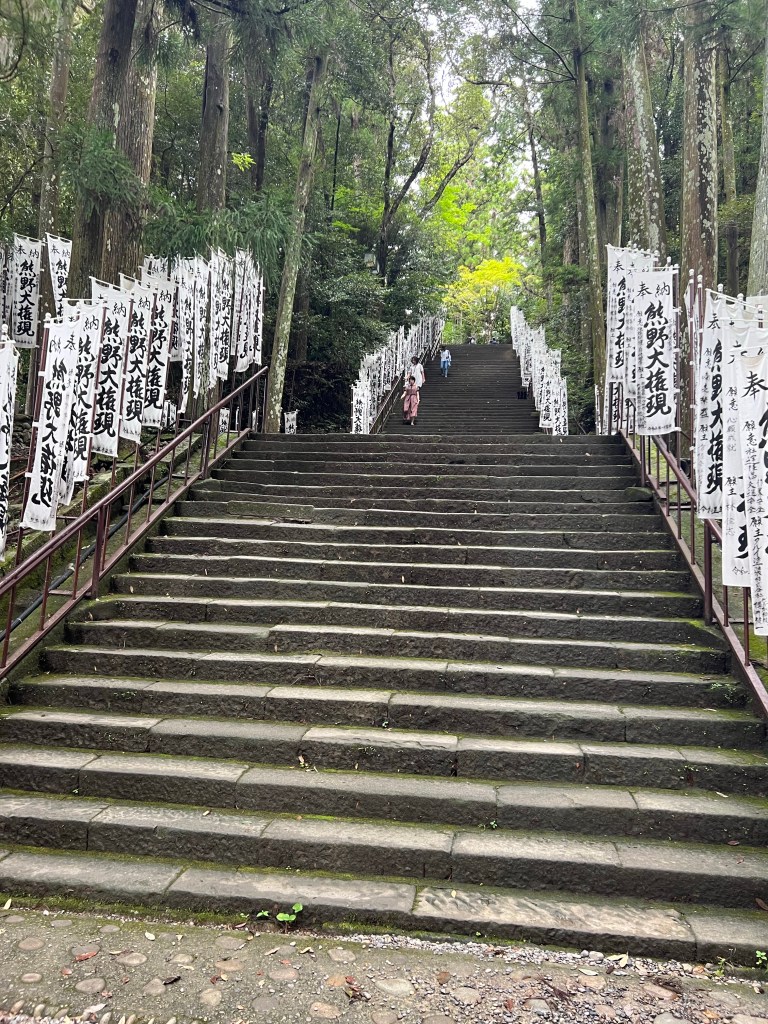
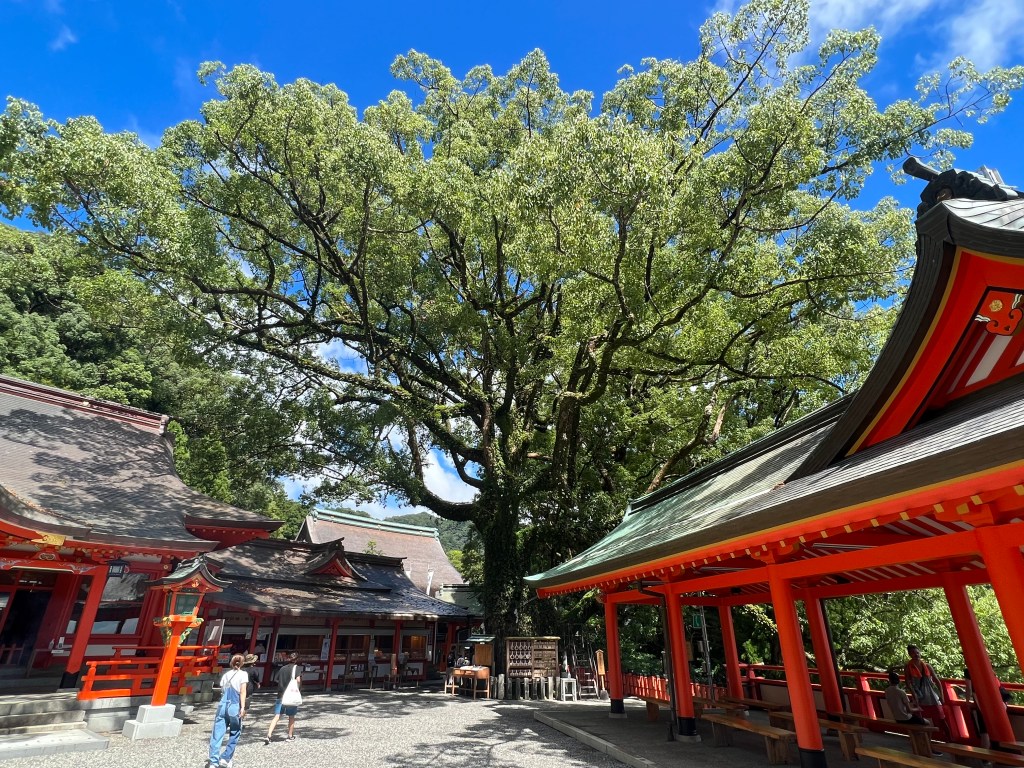
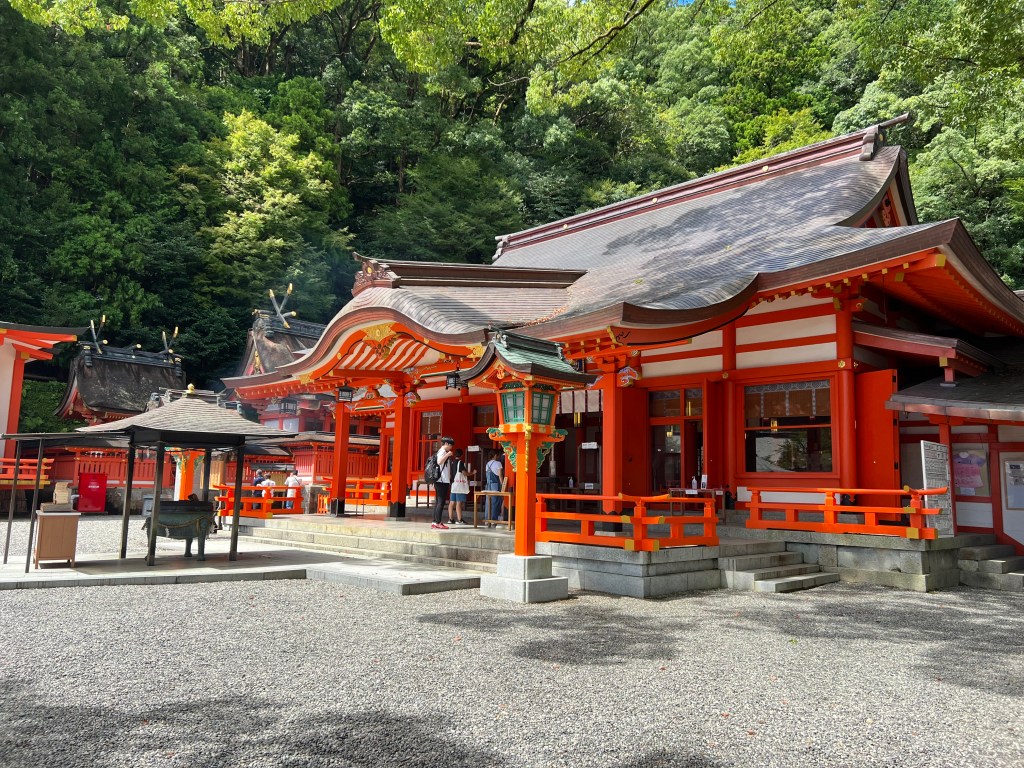
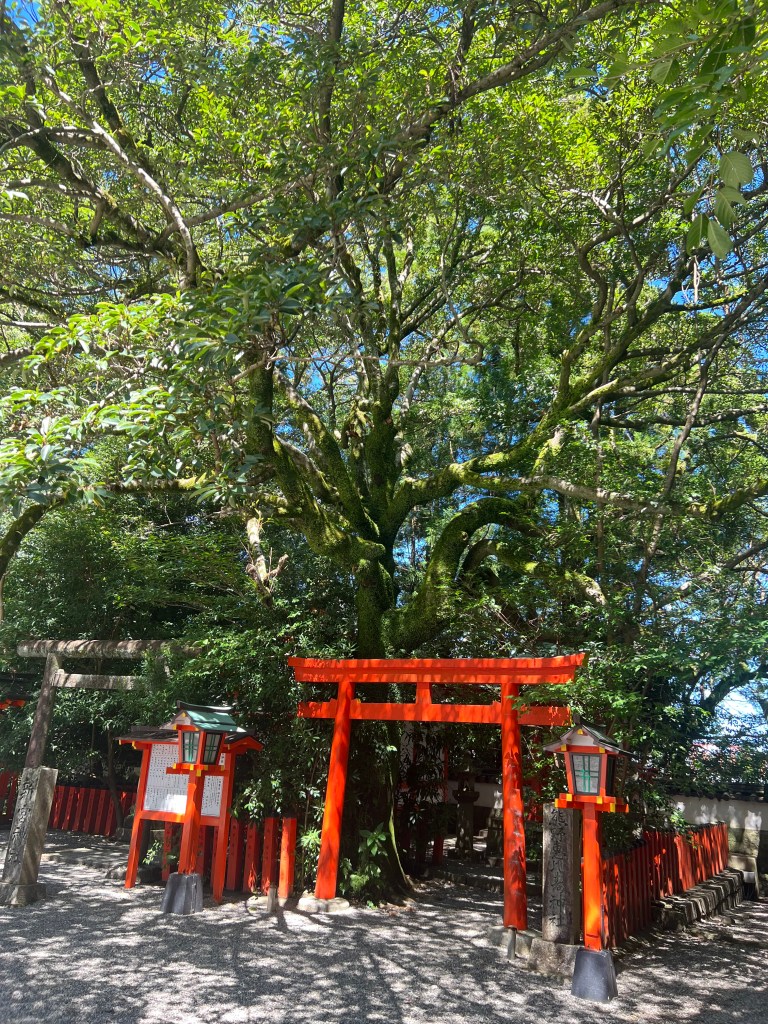
The Hongu shrine belongs to the jungle unlike the ant-like humanity it welcomes. I was humbled by its towering charisma, and privileged to be one of those who, over almost a millennium, have trod that sacred ground,
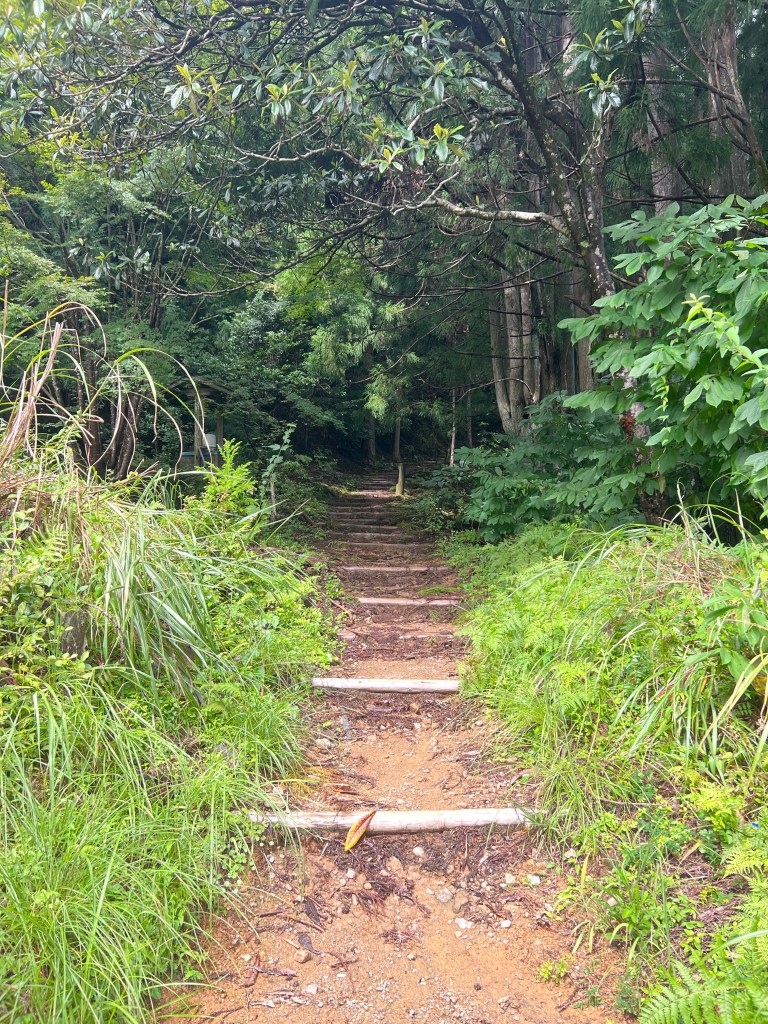
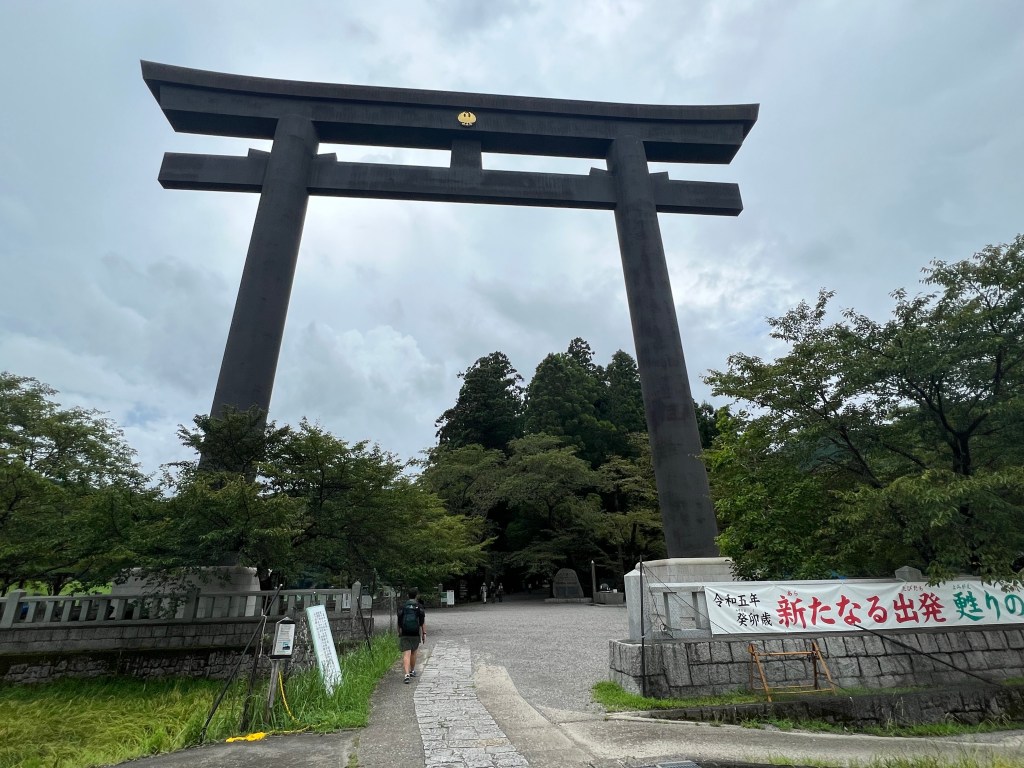
After passing under the largest Tori gate in Japan, we climbed most of the 2.5 kilometre forest track to Yunomine Onsen, where we spent the night, again Ryokan style.


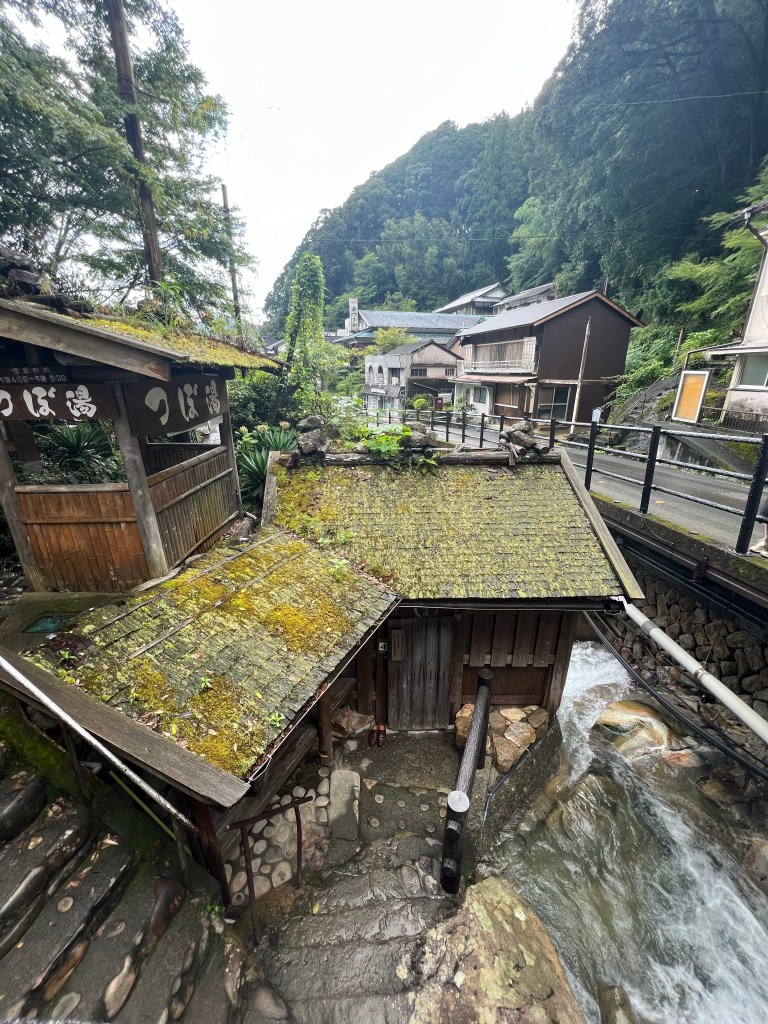


Day 4
14 kilometres to Koguchi. By now I felt like a seasoned trekker, happy to endure whatever the elements or the terrain threw at me.
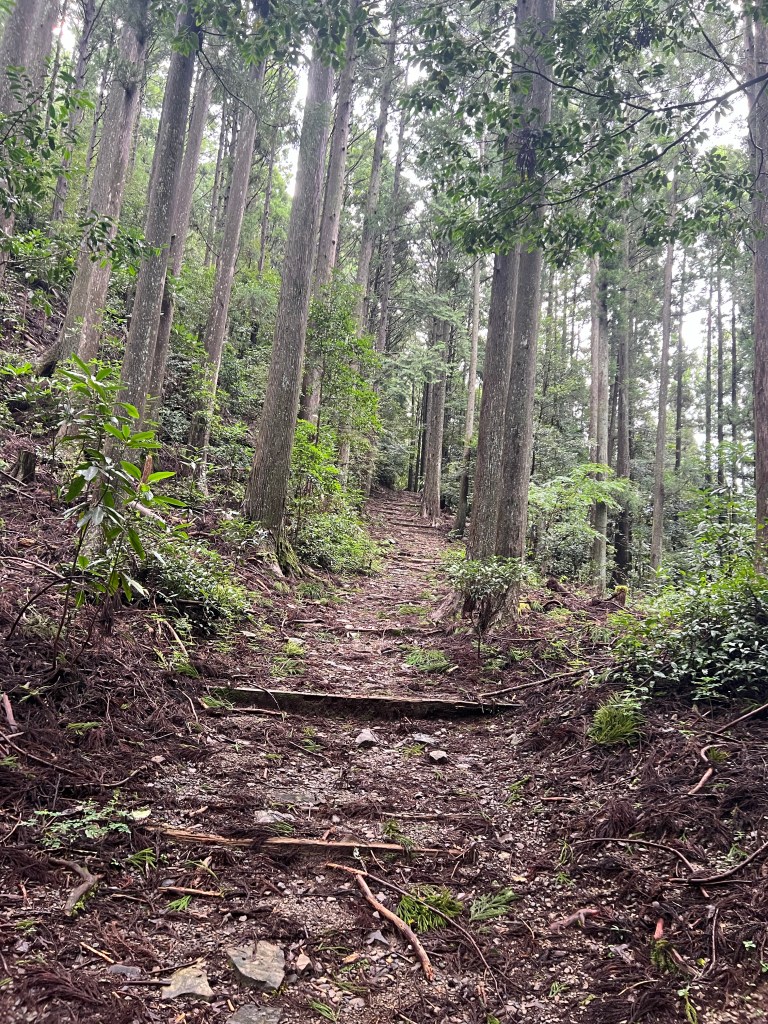
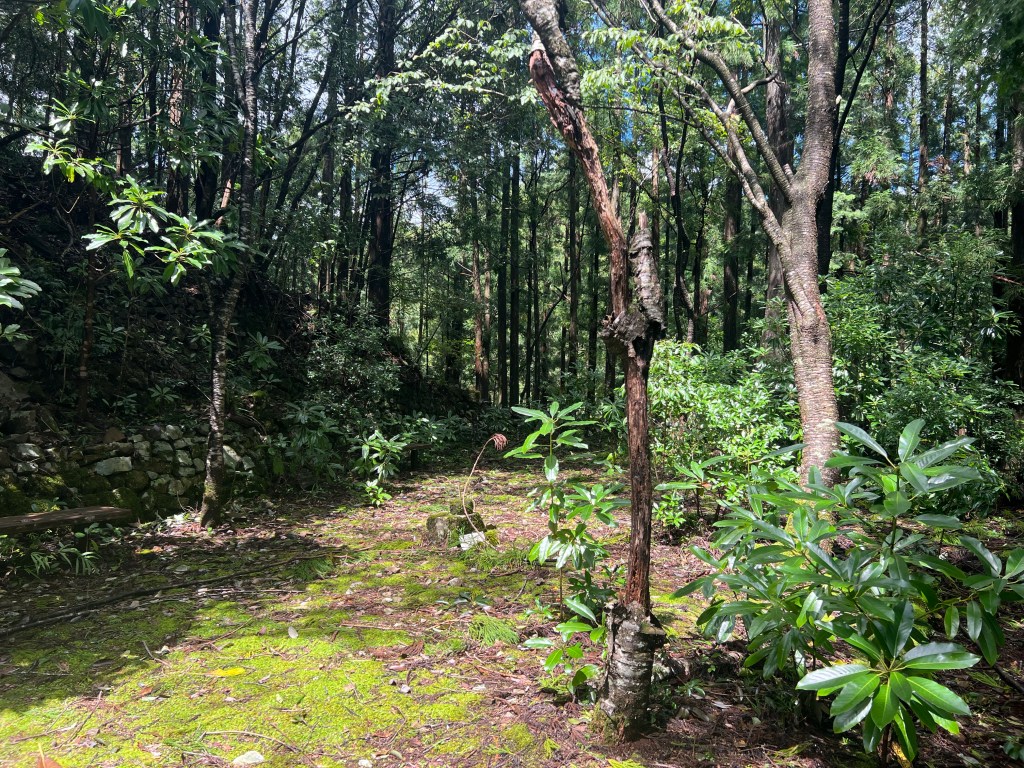
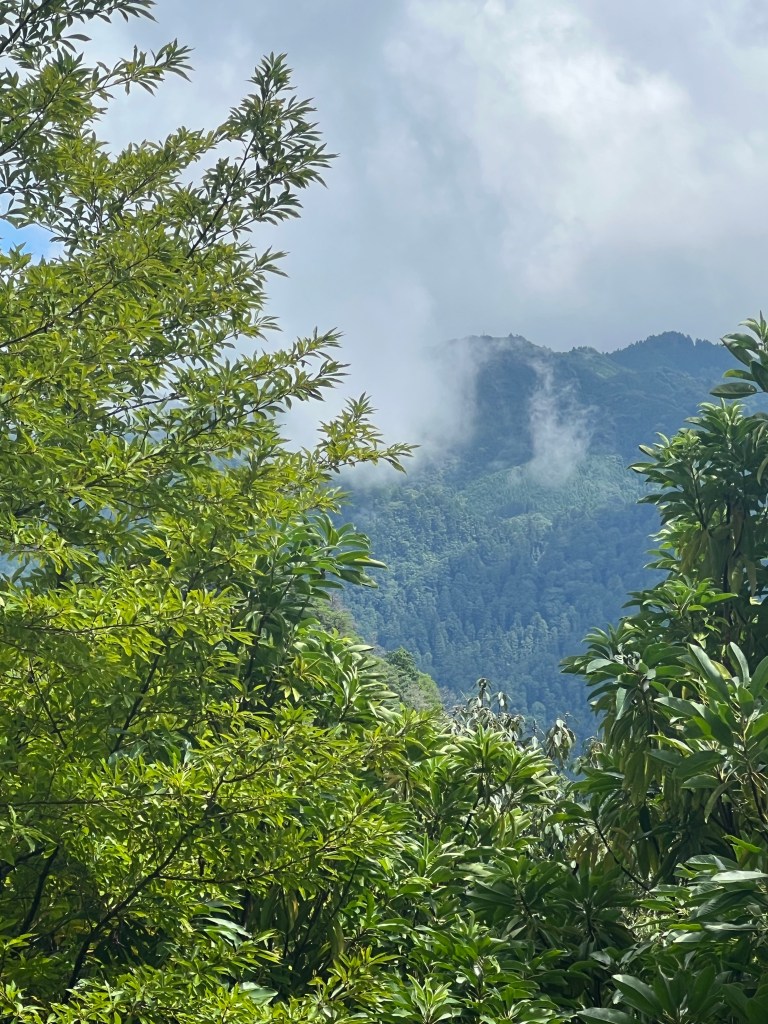

Day 5
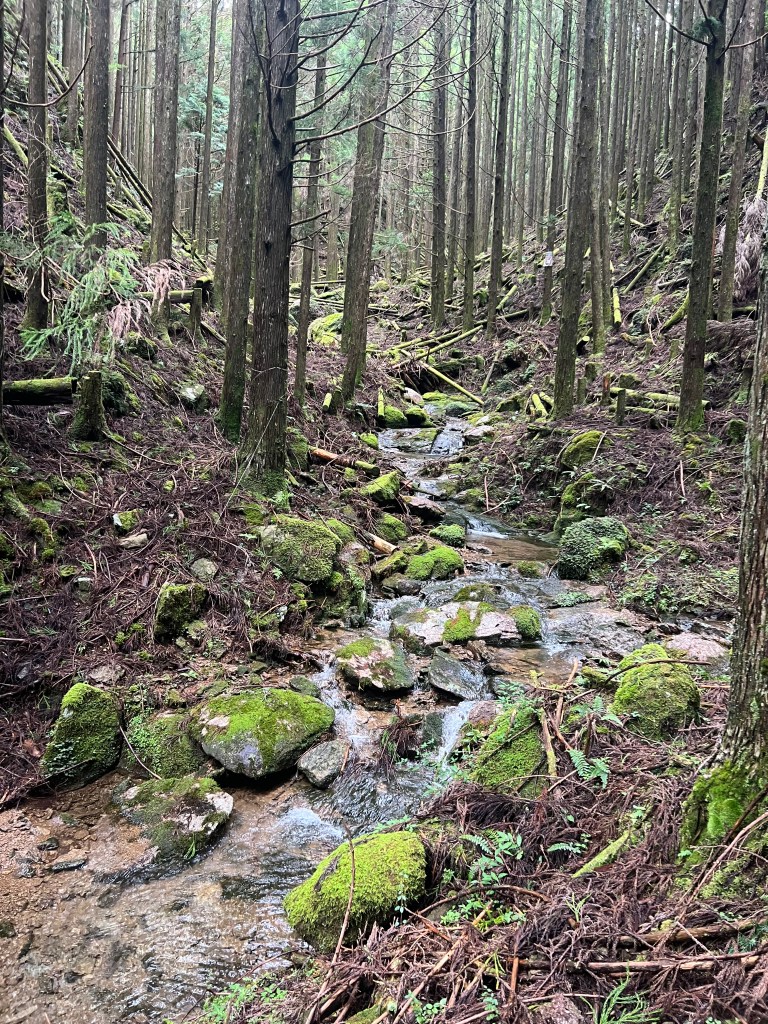
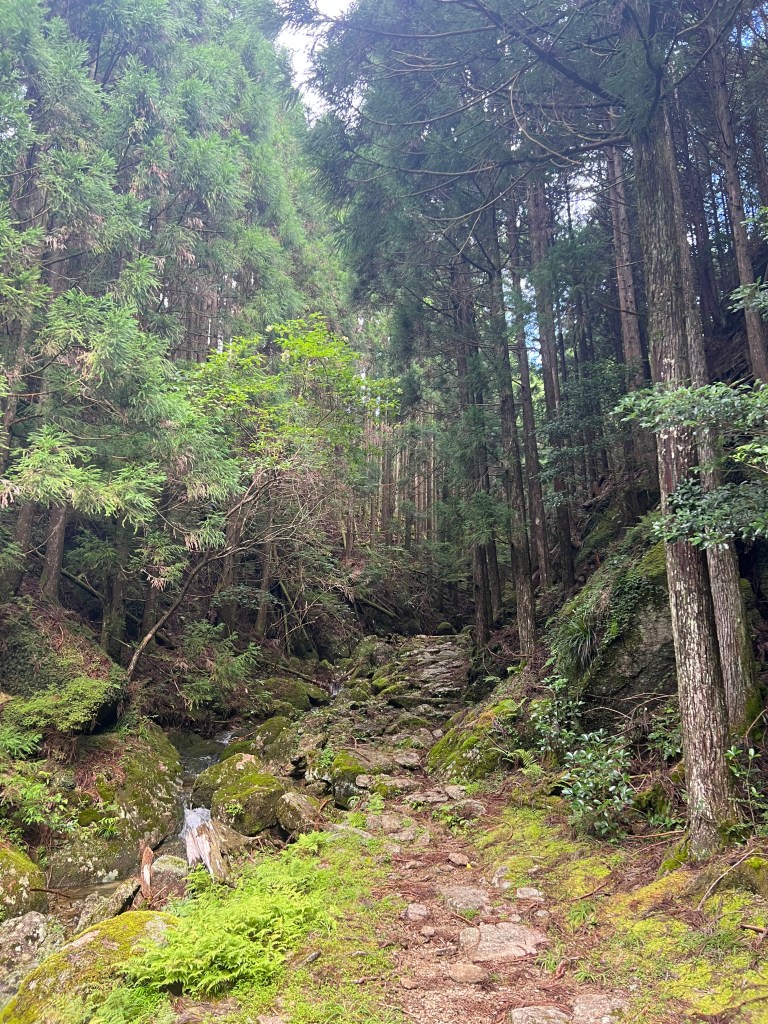
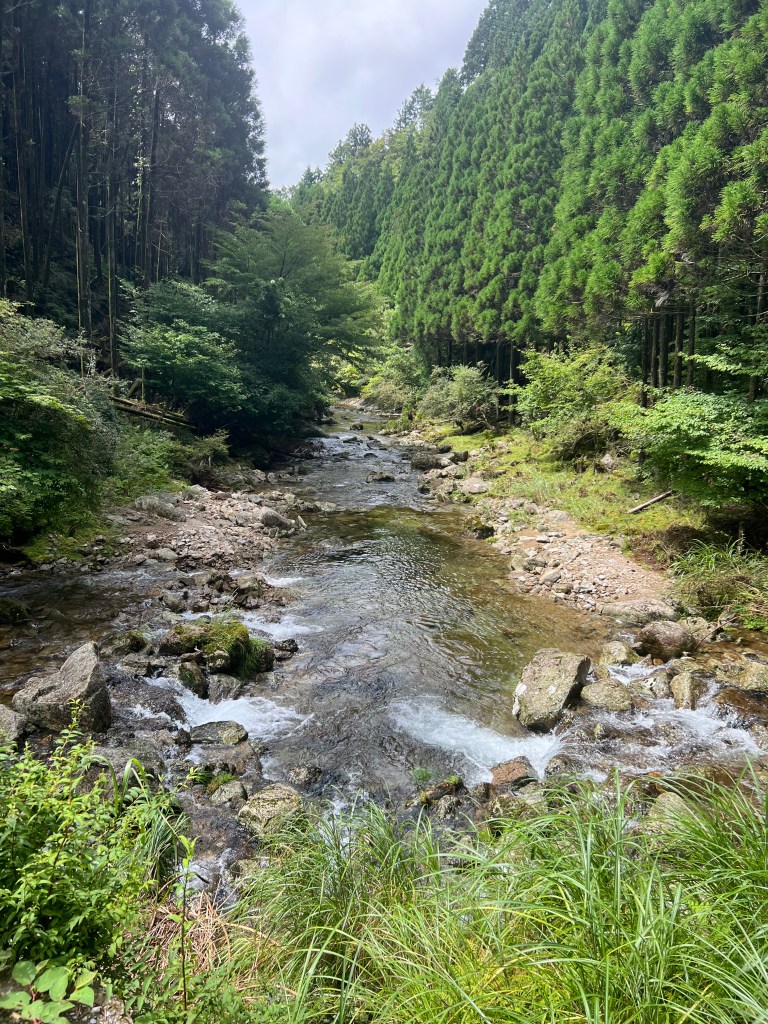
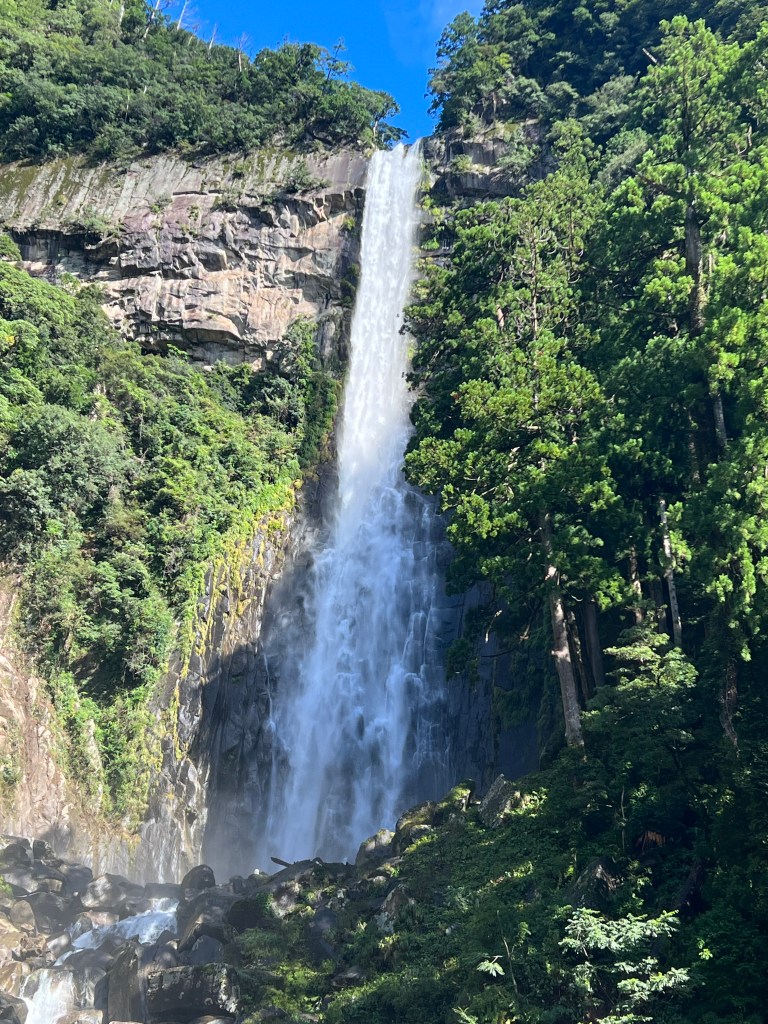
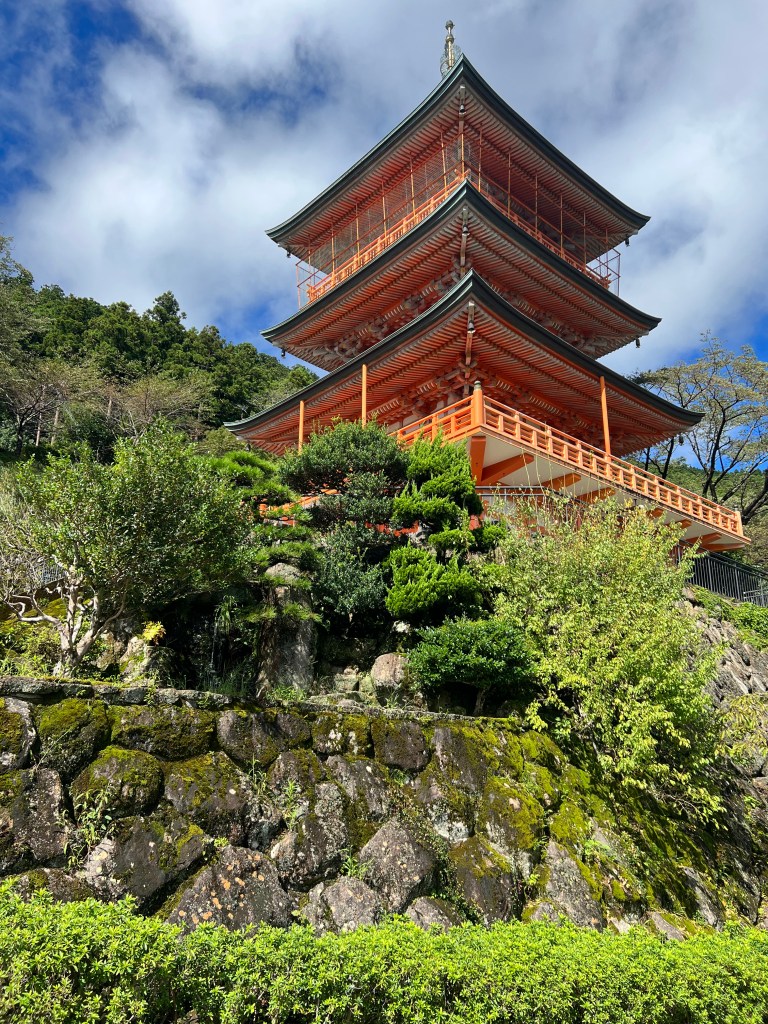
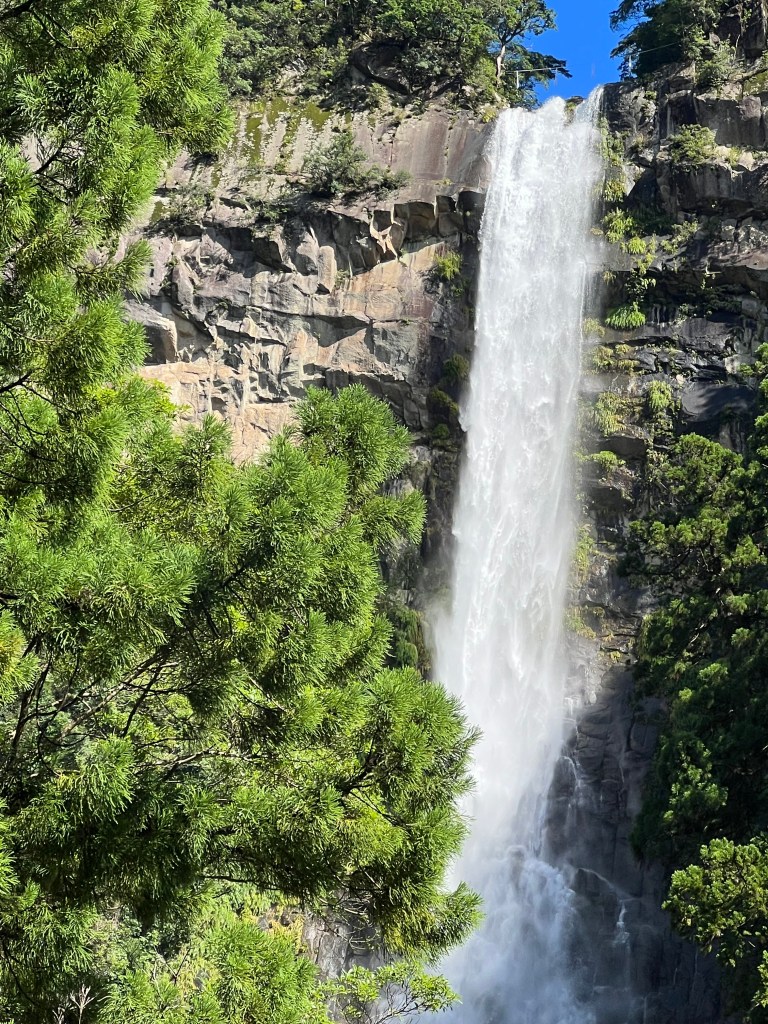
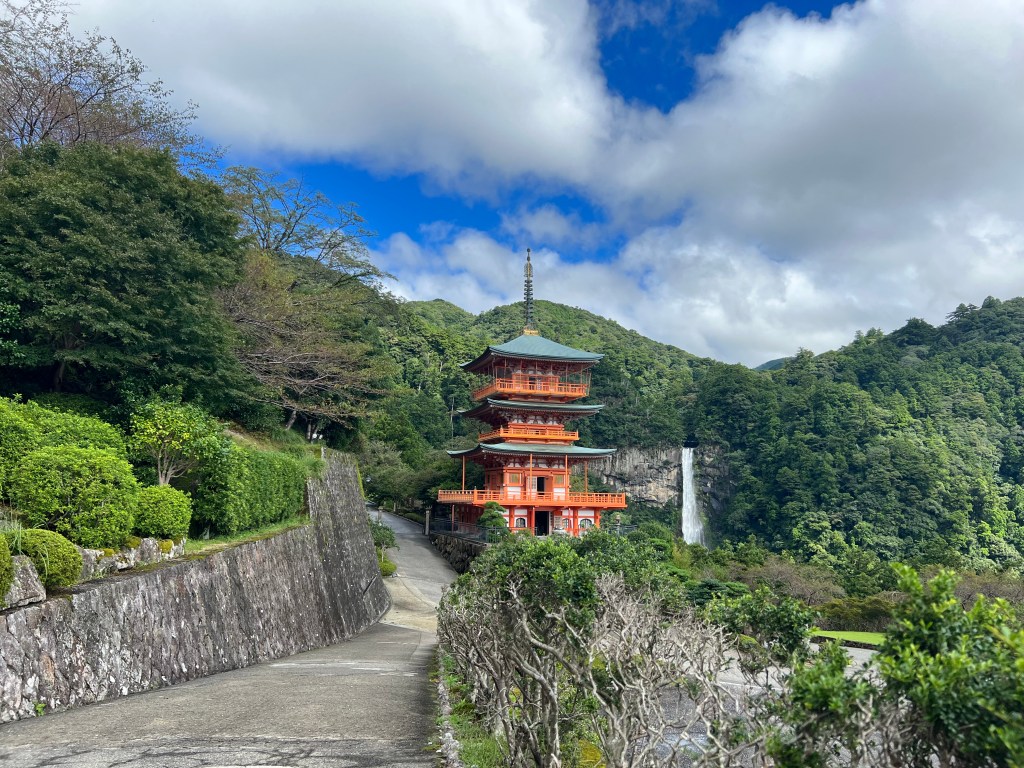
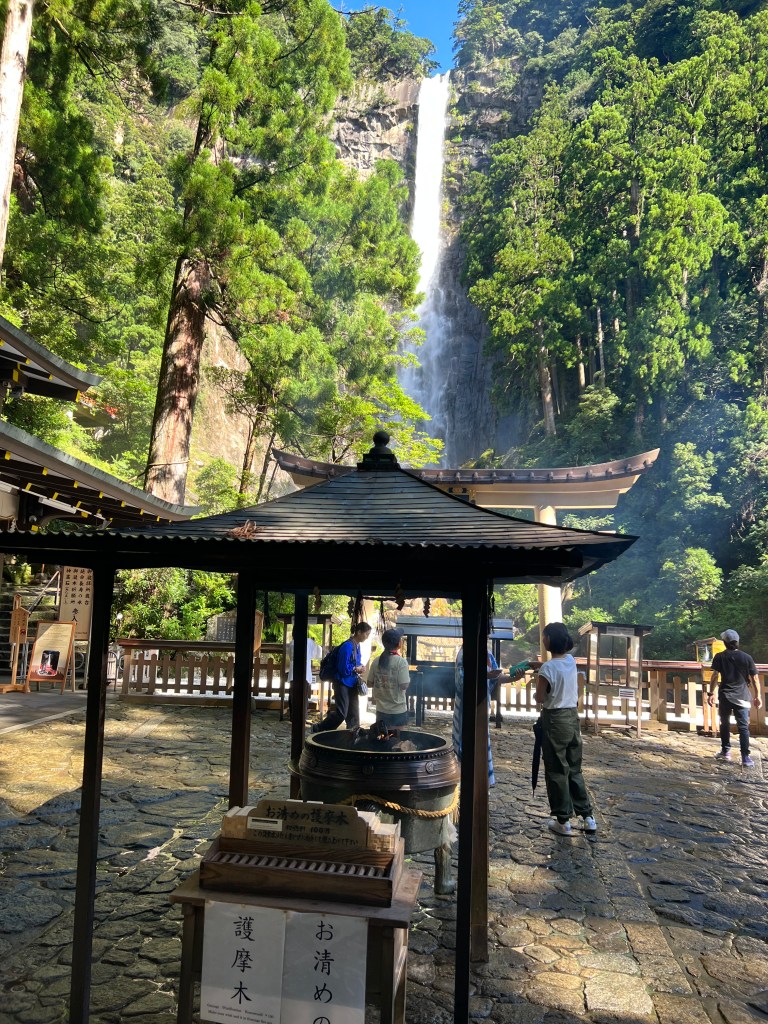
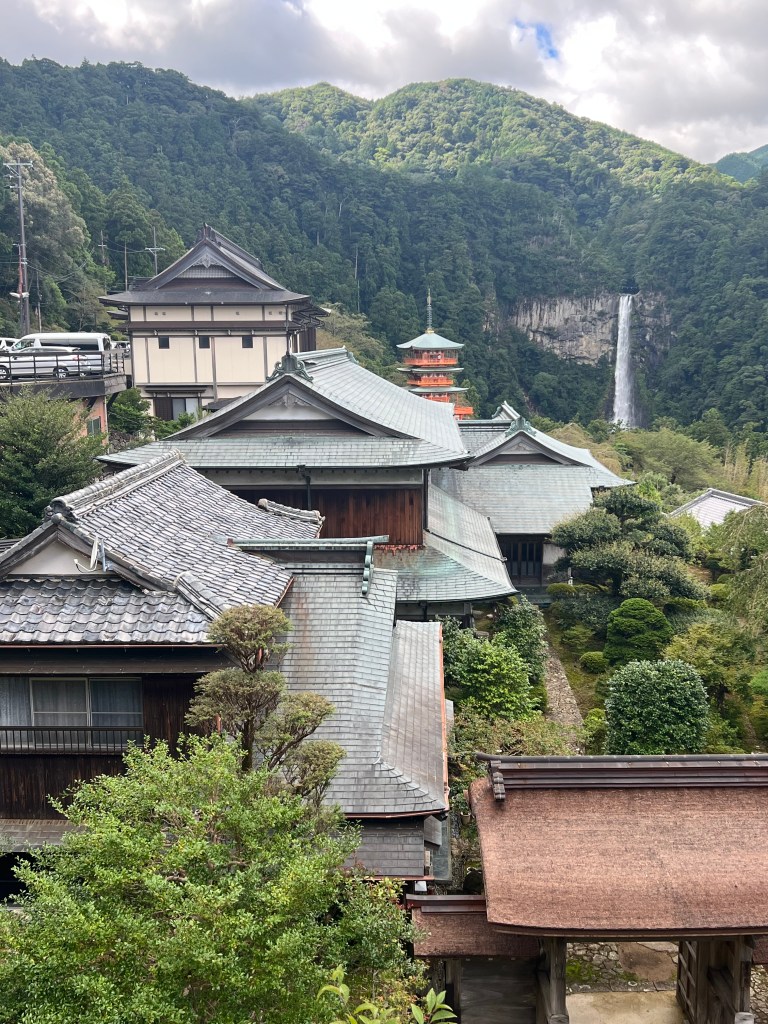
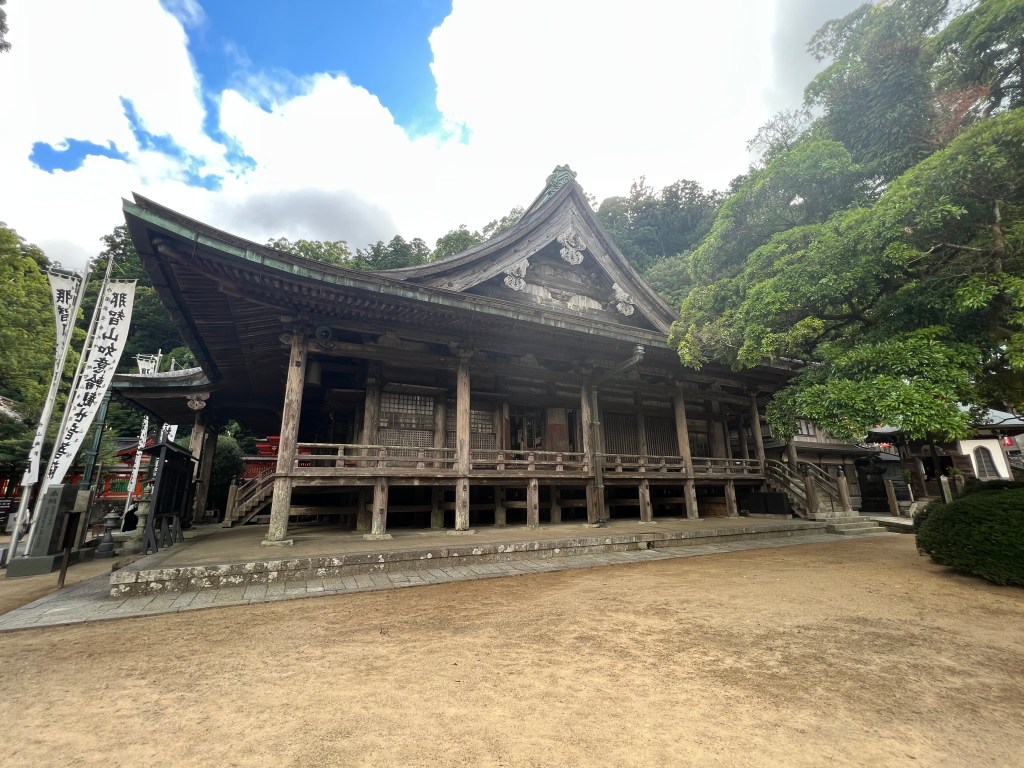
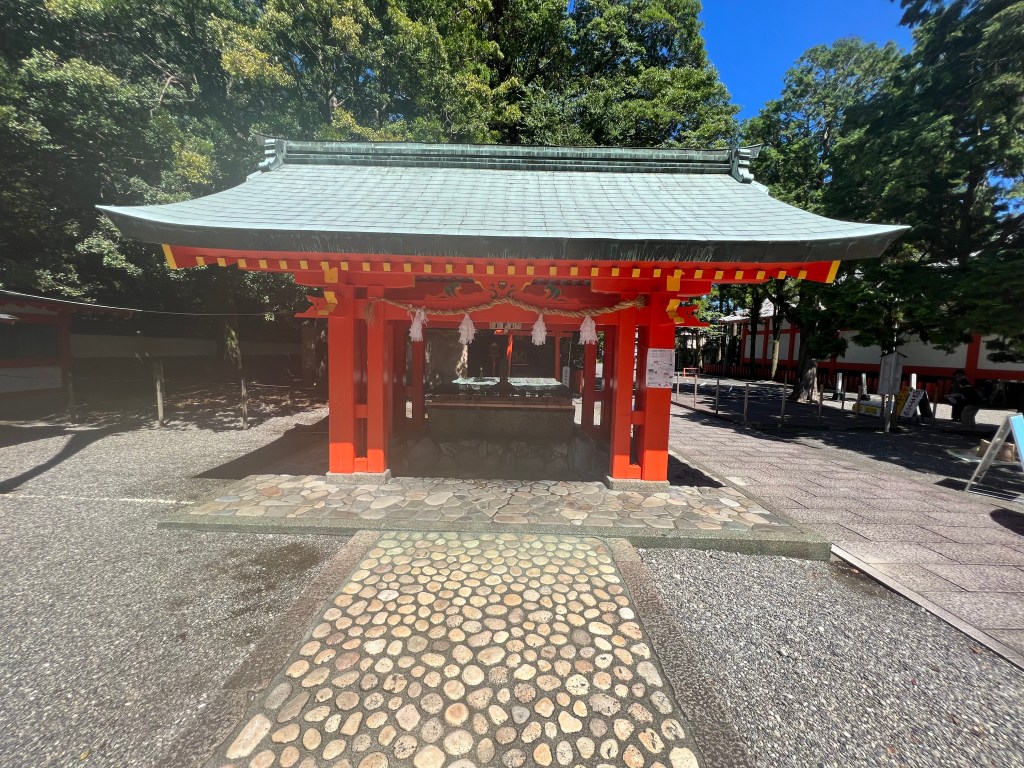
The longest and steepest walk: 16 kilometres with an 800-metre ascent in the first 3 or 4 kilometres. The descent to Nachi, our destination, was treacherous in places. All worth it. The Nachi shrine is a complex of temples. At one end is Nachi Falls, Japan’s highest waterfall, also a shrine.

Day 6
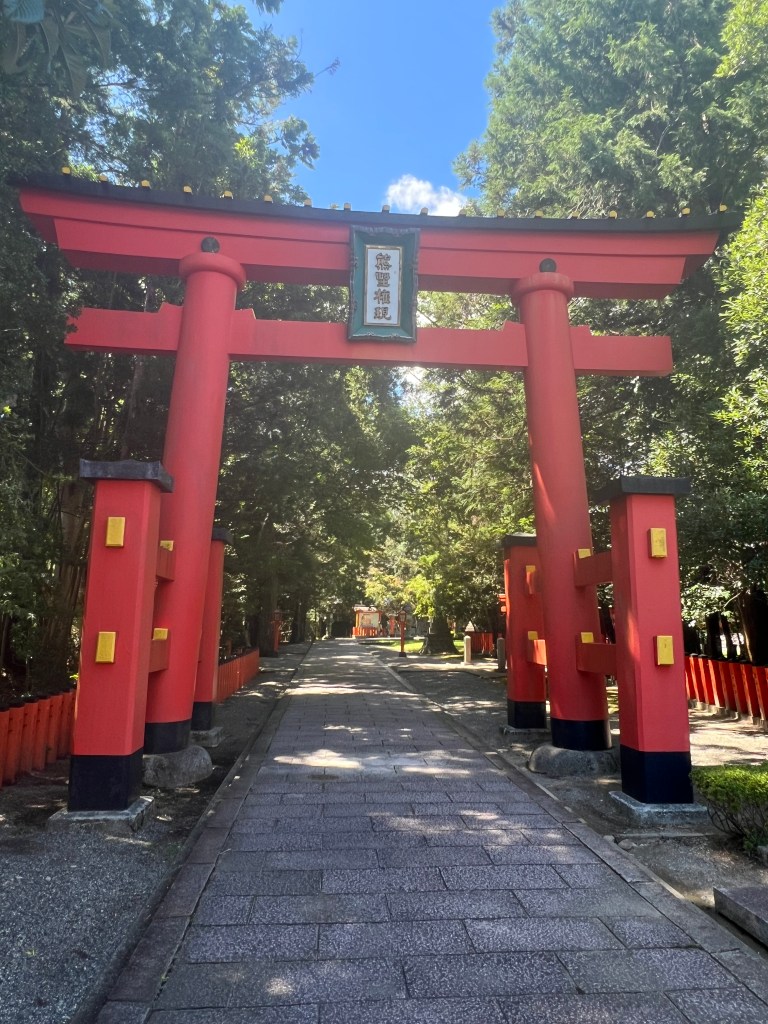
No more trekking. We took bus and train to the Shingu shrine




 Gerry Roberts