The Elf King
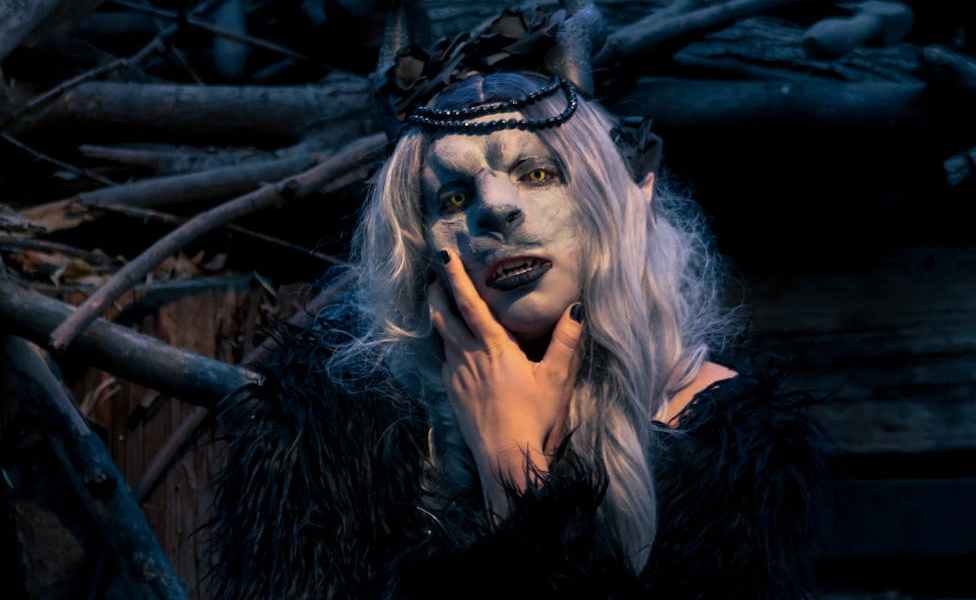
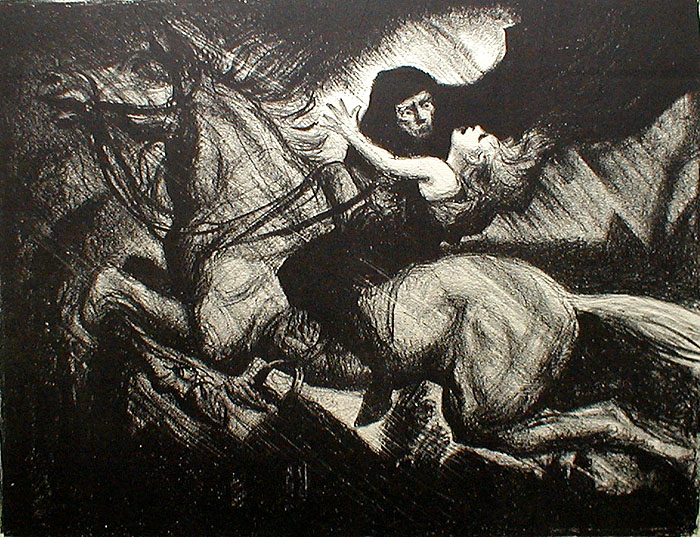
The contributors to this song are a man, well-known and admired throughout Germany, regarded even today as perhaps the most influential German writer of all time, and a humble eighteen-year-old Austrian composer, still a boy in many ways, poor, unknown outside a small circle of fellow music students and friends.
Using a single human voice and a piano, the composer created a vast soundscape that captures every dramatic detail of what is considered one of the most famous poems in all German literature.
There are 5 major characters: a narrator who bookends the song, the father, the son, the elf king and a galloping horse.
The solo piano introduction sets the scene with the rhythm of a galloping horse that pulsates throughout the song.
The narrator begins. Who rides so late through the night and wind? It is a father with his son safely in his arms, keeping him warm.
The father notices his son is frightened. ‘My son, why do you hide your face in fear?’
The son responds. ‘Father, can you not see the elf king with his crown and robes?’
The father says, ‘My son, the mist is creating an illusion.’
The music becomes sweet and melodious as the elf king says, ‘Sweet child, come with me, we’ll play wonderful games together among the flowers on the shore. My mother has golden robes for you.’
The music changes abruptly to express fear and anxiety as the boy calls out. ‘Father, father, do you not hear what the elf king softly promises me?’
The father responds. ‘Be calm, my child, it is only the wind rustling in the dry leaves.’
The music is now playful as The elf king becomes a little more insistent. ‘Won’t you come with me, my fine lad? My daughters will wait upon you, dance with you, rock and sing you to sleep.’
The music now increases the fear and anxiety as the boy calls out again, this time more frantically. ‘Father, father, can you not see the elf king’s daughters there in the darkness?’
The father responds: ‘My son, my son, I can see clearly, it is only the old grey willow trees.’
Then the music becomes beguiling and sinister as the elf king reveals his true perverse desire. ‘I love you, your fair form allures me, and if you don’t come willingly, I’ll use force.’
The music reinforces the boy’s terror. He yells, ‘Father, father, now he’s seizing me! The elf king has hurt me!’
The narrator takes over and the music underpins the tragic ending. The father, horrified, rides swiftly holding the moaning child in his arms. He reaches home, but his son is dead.
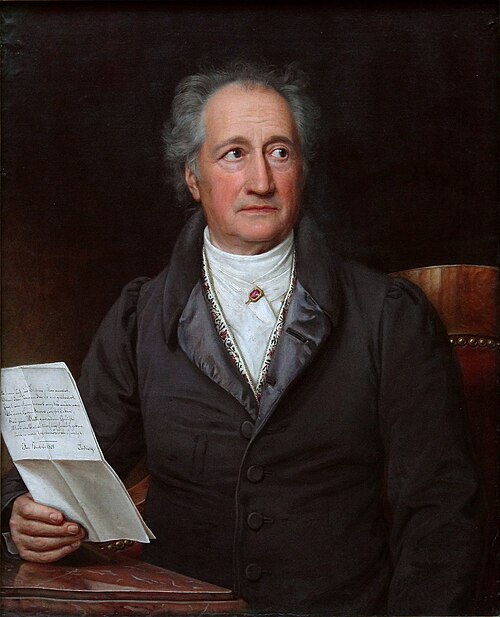
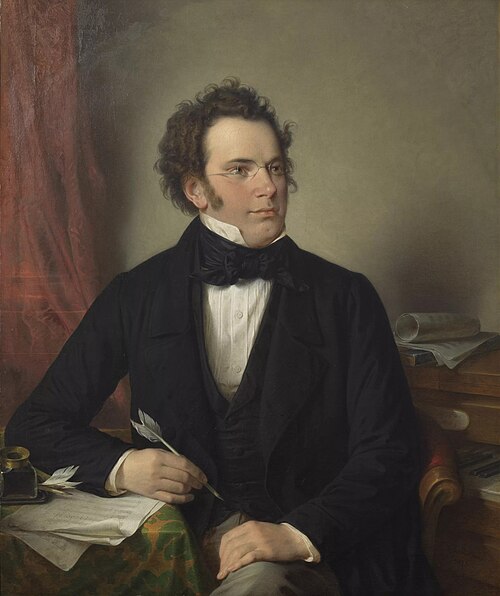
It is not known if Johann Wolfgang Von Goethe ever heard Franz Schubert’s version of his poem. A friend of Schubert sent him the musical score but he never responded. Goethe remains a tour de force of German culture and literature. Thankfully, Schubert’s music was rescued from oblivion by a few influential individuals who, many years after his death at thirty-one, discovered his repository of symphonies, sonatas, chamber music and over 600 songs, and spread them throughout Europe and the world.
Franz Liszt wrote an amazing solo piano version of Erlkonig.


 Gerry Roberts