Korea 2024
In the days leading to our first ever trip to South Korea I feared finding ourselves stranded at Seoul’s Incheon airport late in the evening. I heard somewhere that the last airport bus to downtown Seoul, some fifty kilometres away, left at 10pm. Also, arriving at the start of Chuseok, South Korea’s biggest holiday when the entire country winds down, I was told we might have trouble finding a taxi. My fears proved to be unfounded. Our Cathay Pacific flight from Hong Kong landed early, the long immigration queue moved surprisingly fast, and on emerging into the arrivals hall we soon spotted a bus ticket counter. The lady who sold us the tickets to Myeongdong gave us all the directions we needed. Soon we were comfortably seated and whizzing along a highway.
I don’t wish aeroplane flights to be anything other than immemorable. The one that brought us to Korea was no exception. But I will not forget a movie I watched inflight. The hero of ‘One Life’, Nicholas Winton, managed to save over 600 Jewish children in Prague by arranging homestays with British families. This was in the weeks before England and Germany became official enemies on September 1, 1939. Winton, motivated purely by compassion, fought resistant officialdom from London to Prague to have visas issued, exit permits authorised, and permission granted to pass through countries like the Netherlands.
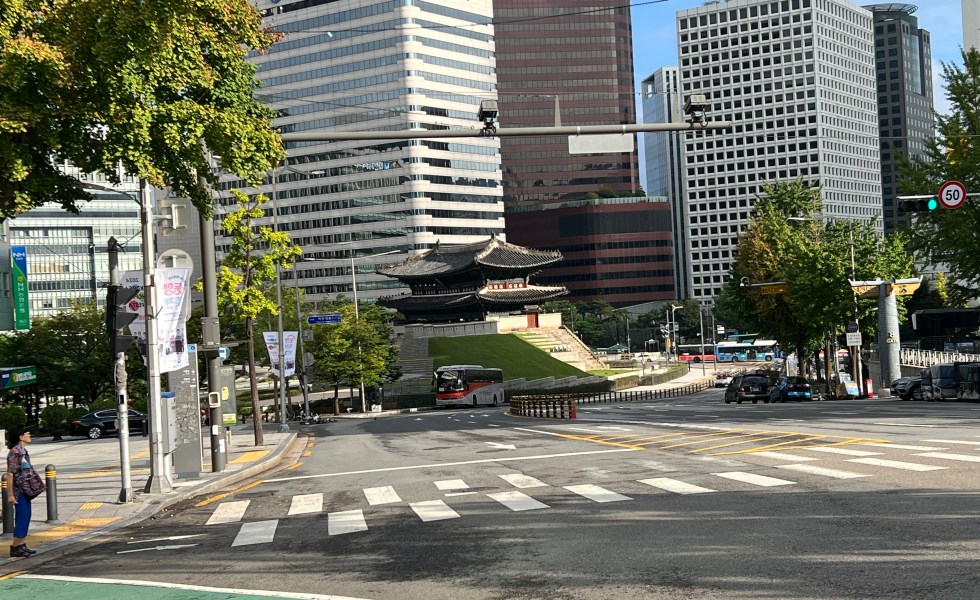
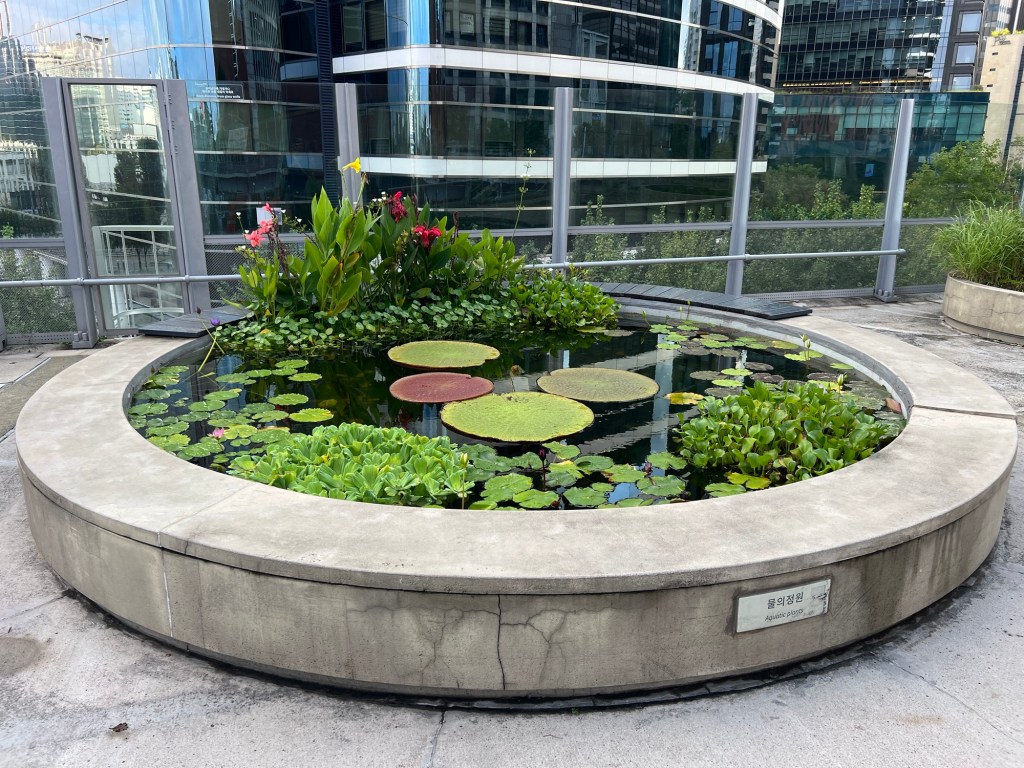
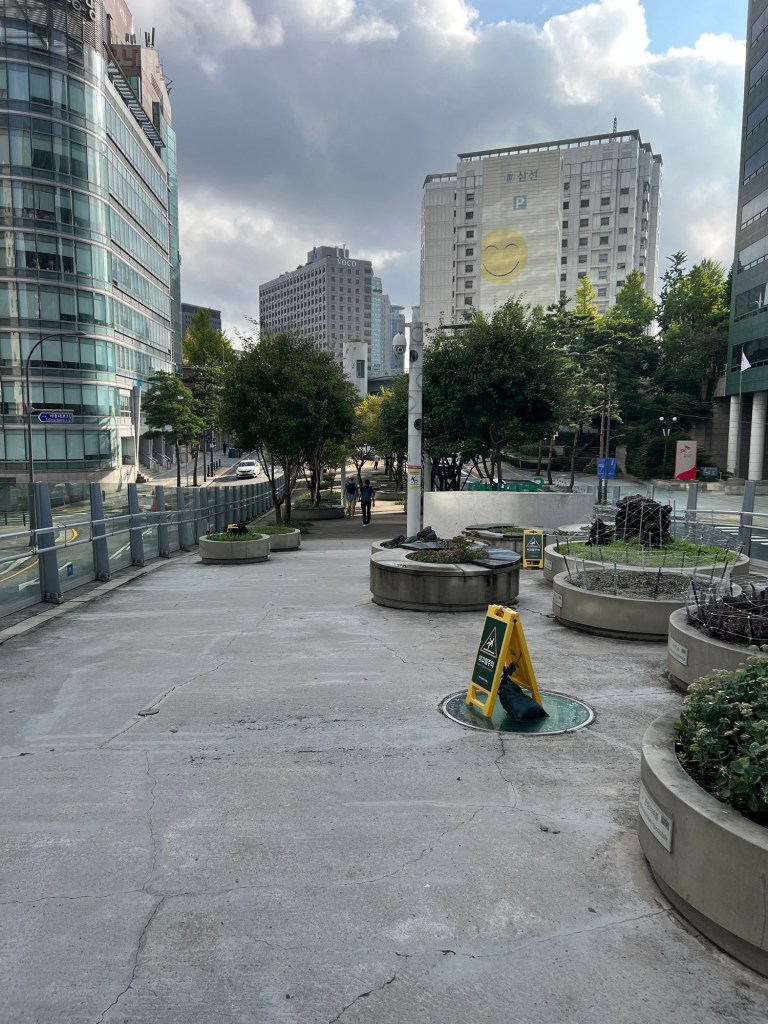
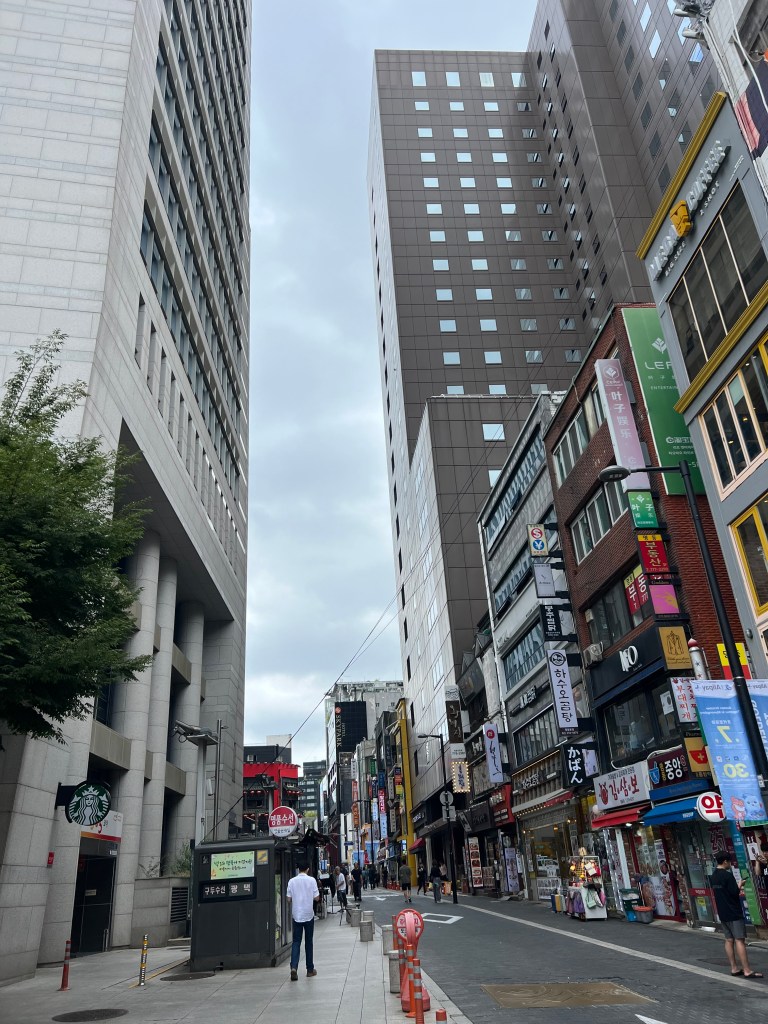
On my first night sleep came easy, aided, I’m sure, by a few inflight wines and whiskies. We set off on a morning walk to check out the neighbourhood. Myeongdong, we soon found out, is a throbbing tourist precinct, full of hotels, shops, eateries and people from all over the world. Namdaemun market, close by, is another tourist attraction. We had been warned activity would be greatly reduced because of Chuseok, but crowds were out and shops and restaurants were open. We walked along a pedestrian overpass decked out in plants and rest areas. It took us all the way to Seoul station where we hoped to purchase ‘climate cards’, a travel card only for tourists.
The cards mysteriously seemed to be in short supply. We found some at a 7-11 type outlet called GS25. During the hunt I managed to get lost in a maze of lanes and alleys. I love Google Maps, but it doesn’t work very well in Korea. YouTubers advised Naver Maps which I downloaded a week earlier but had not yet attempted to use. After a few anxious moments, during which Naver Maps was no help whatsoever, I decided to retrace my steps. Guided by some familiar landmarks I returned to the spot from which I had decided to venture out on my own.
My addiction to physical exercise persists during holidays. I use my smart watch to record outdoor walks and cardio workouts. I relish ascending stairways, trudging up steep roads, and climbing hills. On any day, if I cannot squeeze in an hour of sustained activity that would constitute a workout, I try to achieve at least 12500 steps, an easy daily target in a vast city like Seoul. But I hadn’t taken into account the weather.
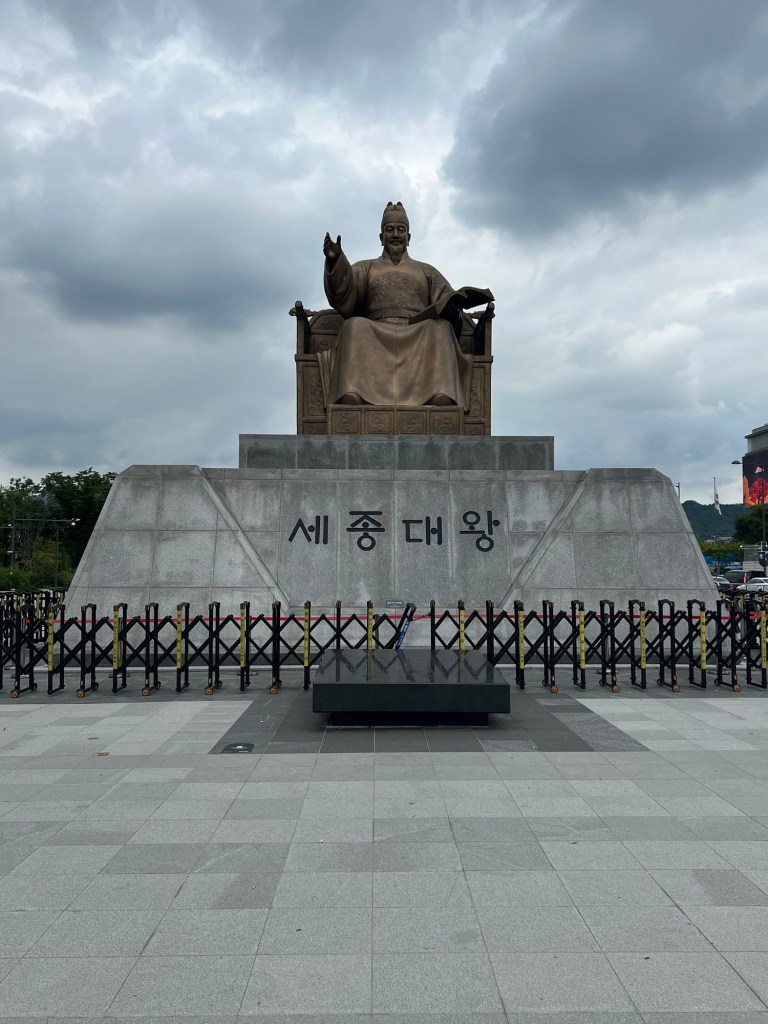

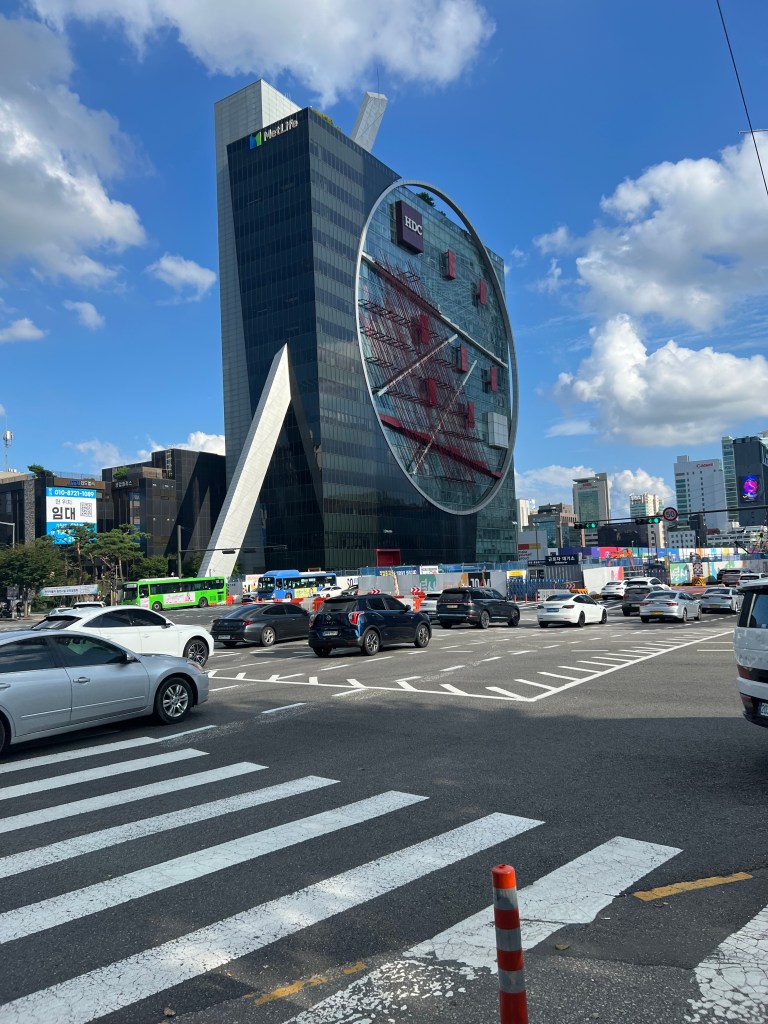
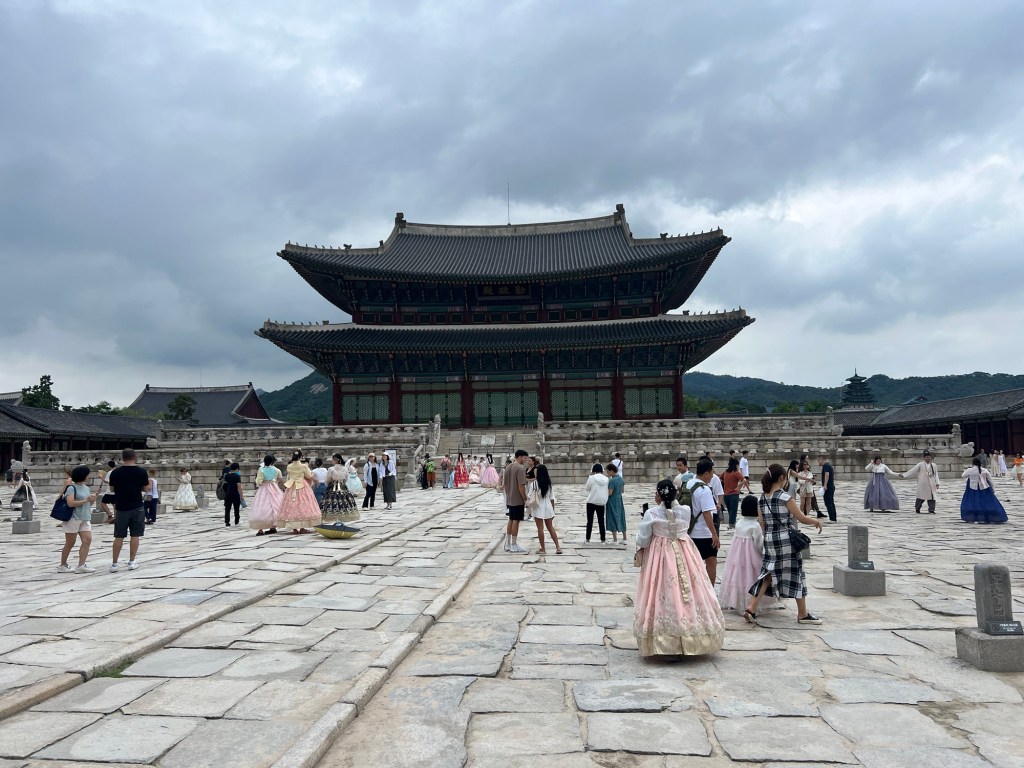
In hot, humid conditions I ran out of steam even before we reached the wide open spaces of Gwanghwamun Square with its mighty statue of King Sejong the Great. My progress slowed to a reluctant crawl through Gwanghwamun Gate into the precincts of Gyeongbokgung palace. The changing of guard occurred with colour, pomp and pageantry I hardly noticed in my quest for somewhere to sit, even in forbidden places, getting up when an officious old man turned up to shoo me off. I thought with some trepidation of the Melbourne summer around the corner. I may need to start using sunscreen to preserve my skin.
I wondered why military campaigns are commemorated across the world, as if they represent the pinnacle of human achievement. Why do wars continue to be glorified?
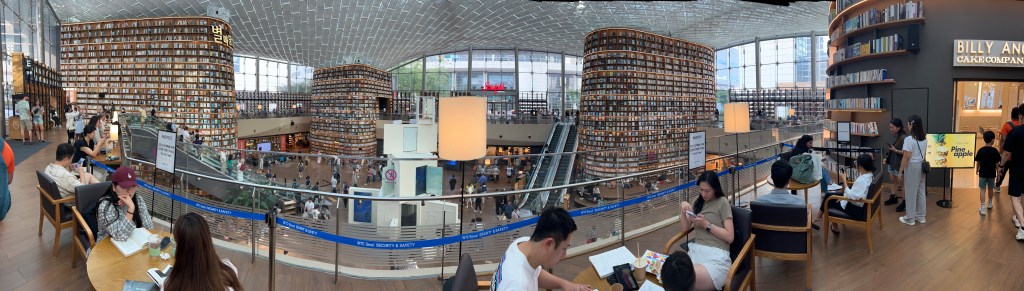
An hour was all we could take of the weather. We found a restaurant nearby, where the opportunity to sit indoors was more welcome than the meal. A flotilla of small dishes containing kimchi and pickles preceded our ginseng chicken. This practice was repeated wherever we ate. After lunch we made the eminently sensible decision to abandon anymore outdoor activity and head for the Co-ex mall, one of our earmarked shopping venues. Highlight of the Co-ex mall is its famed Starfield library, a public space dominated by three huge floor-to-ceiling columns of books. An extraordinary experience for anyone, I would imagine, not just lovers of reading and writing.

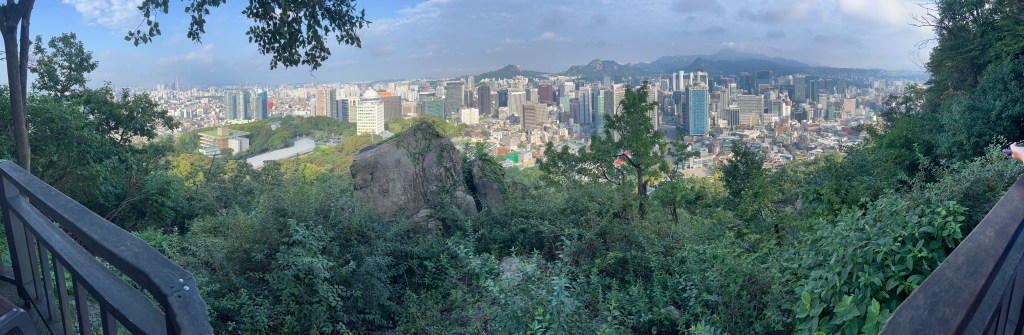
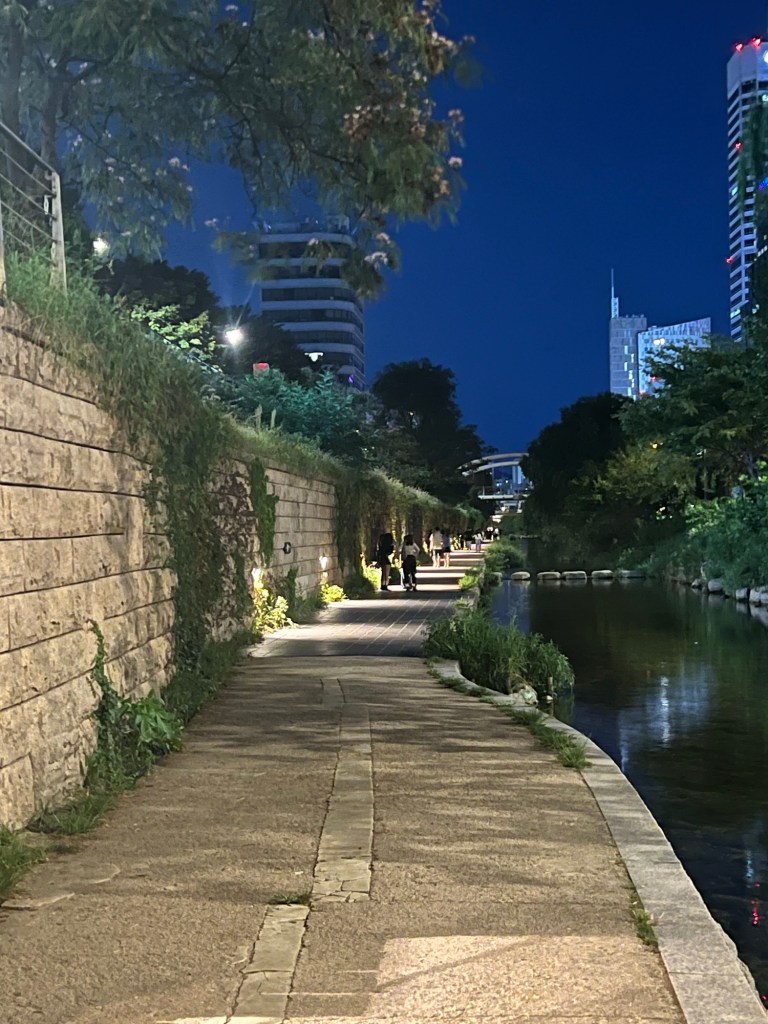
The next morning we climbed for thirty minutes to reach Seoul Tower, pausing at lookouts for breathtaking views of Seoul ancient and modern against a mountainous backdrop. In the evening we walked along the Cheonggyecheon stream built purely for recreation.
We didn’t enter Korea completely clueless. From YouTube videos we became somewhat conversant with sights, history and cuisine. We split our nine nights between Seoul and Busan, consigning Jeju Island to our next trip.
Korean people are handsome and look healthy. All that kimchi they eat keeps them in good health. Maybe Laneige skincare products help too.
I began to love Korea. I loved it more after figuring out Naver Maps and Seoul’s awesome public transport system. I feel we could go anywhere in Korea with confidence.

Mangwon market was crammed with people and food. The main attraction of this market is the deep-fried, stuffed chilli pepper. Not exactly an unforgettable culinary experience. There was plenty of other food. Later we went to a university precinct where I did very little. Lots of stalls and shops afforded lots of shopping, but I was content to sit on some concrete steps and listen to a young singer entertain the crowd. When the others finished their shopping I got up reluctantly and joined them to find somewhere to eat.
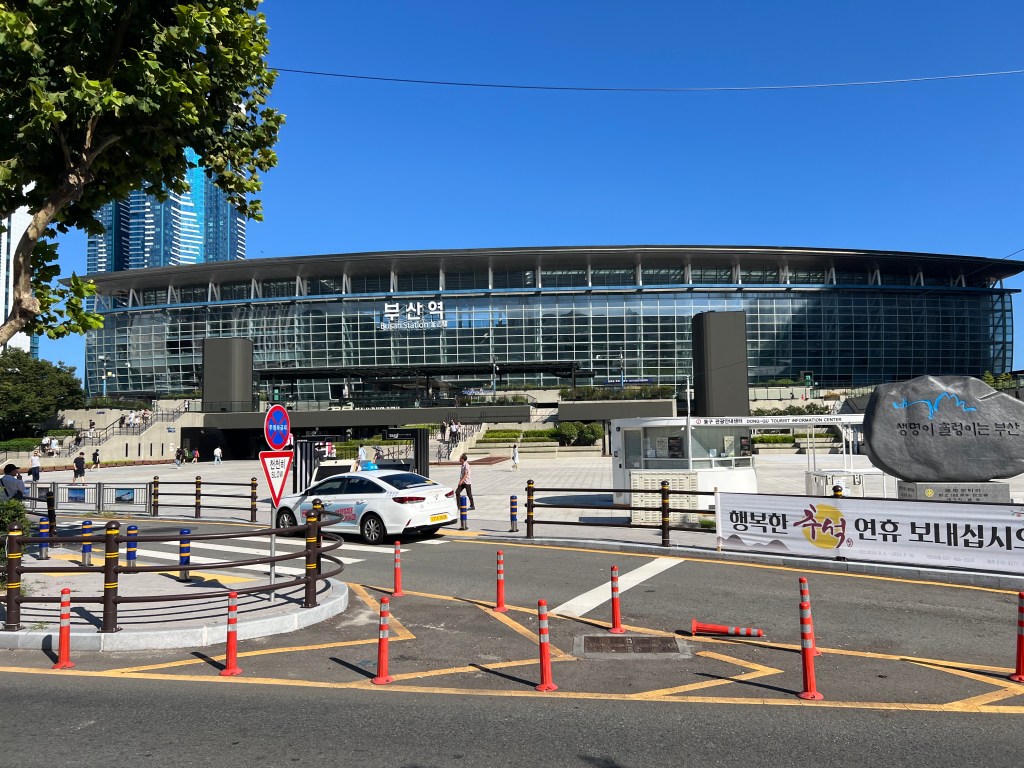
After four nights in Seoul we boarded the train to Busan for a three-night visit. The two-and-a-half-hour journey flew like the train at 300 kilometres per hour. I was thankful for the respite of the train journey, very comfortable despite economy class. There wasn’t much to see. The track seemed to be enclosed for much of the way, blocking out the scenery. I sat next to a quiet young man repeatedly clearing his throat, sounding like he had the same dry throat that afflicted me. He alighted at the station before Busan. I raised my tray to allow him to pass. Before departing he respectfully lowered it for me and bowed.

Busan, not much smaller than Seoul, hugs the south-eastern coast. It took our bus close to an hour from Busan station to reach the popular Haeundae beach where our hotel was located. In the evening we joined locals and tourists on the beach as we made our way to take a look at Busan all lit up from a hundredth-floor observation deck. Later we dined at a fast food outlet called Mom’s Touch.

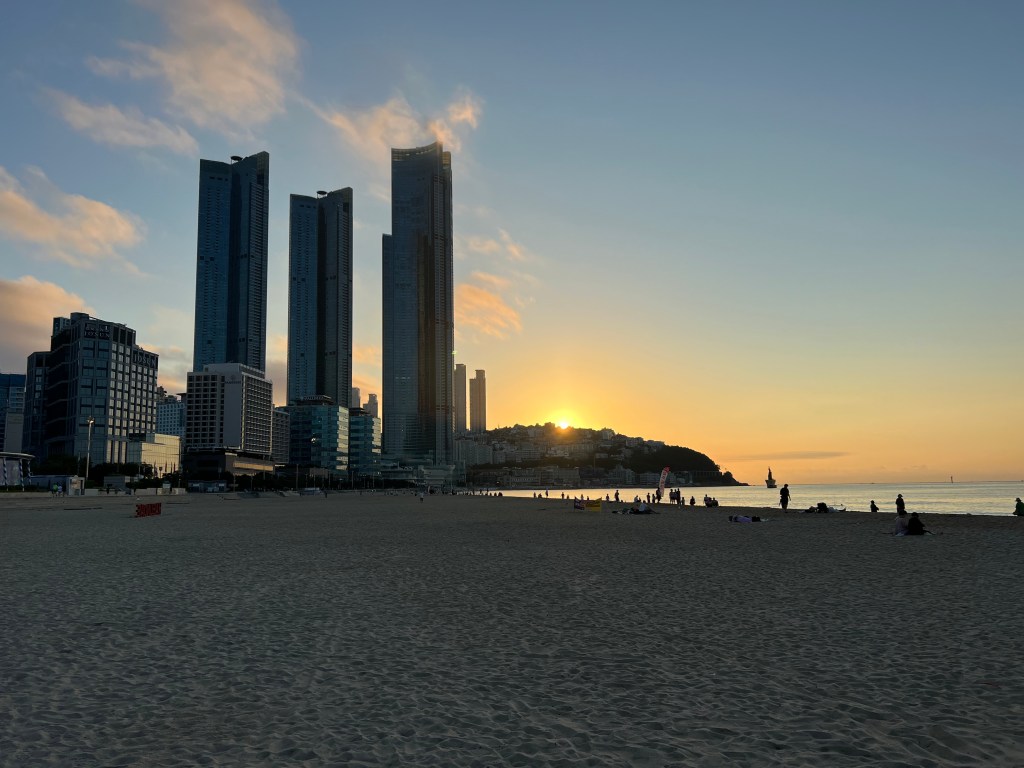
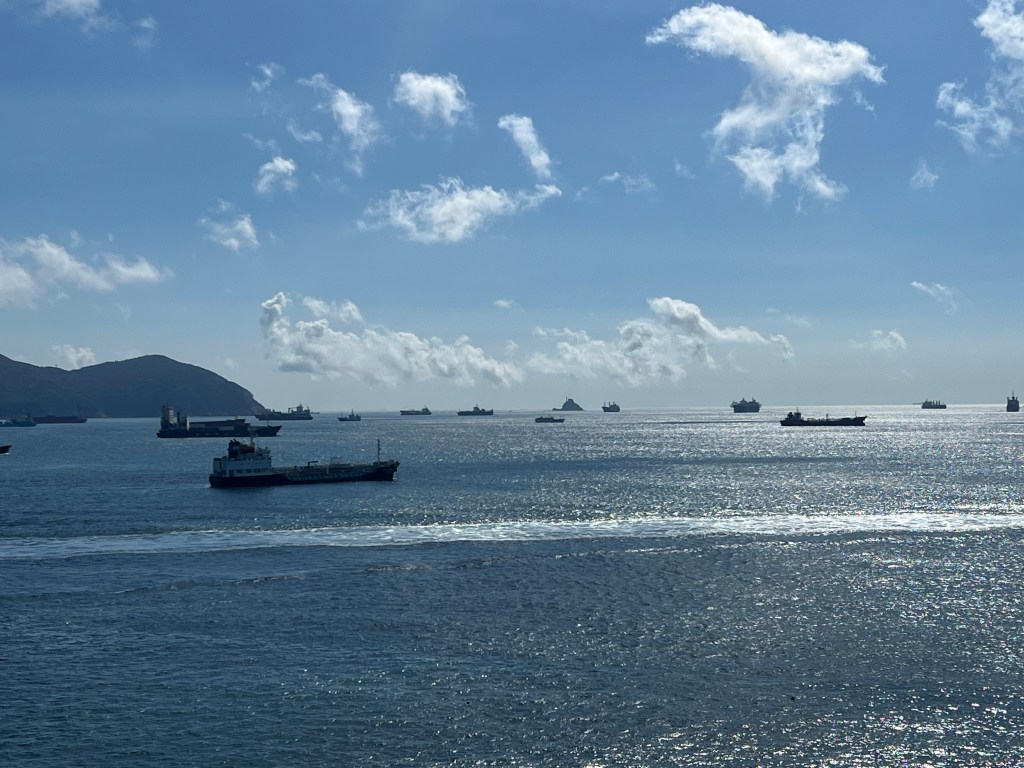
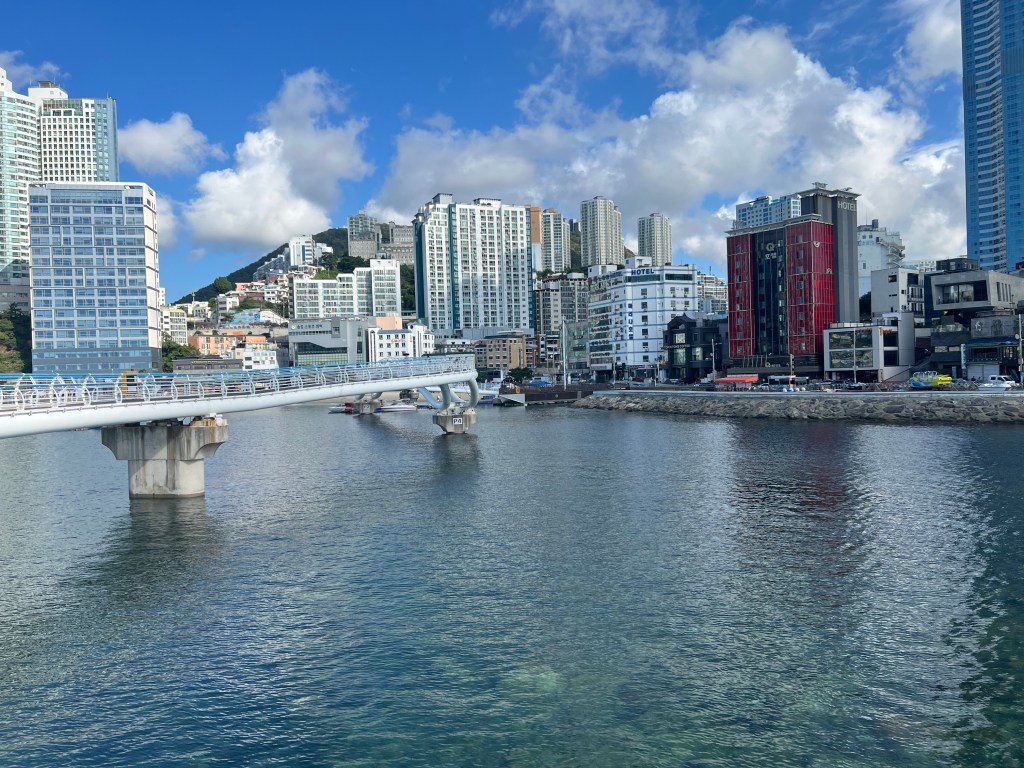
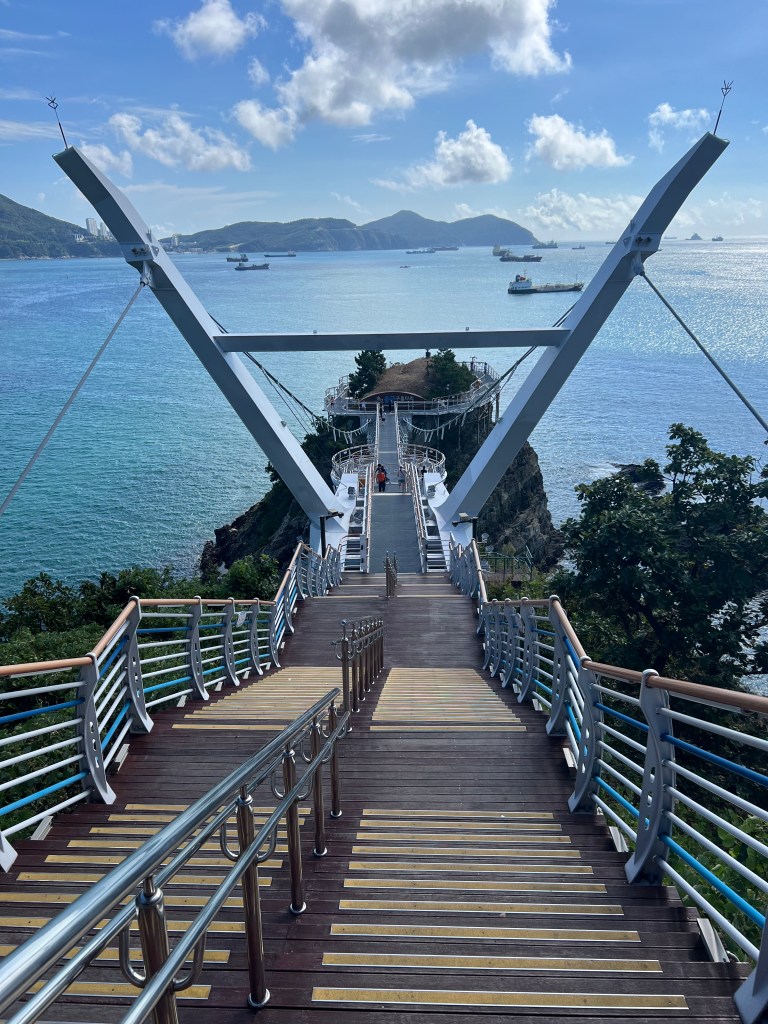

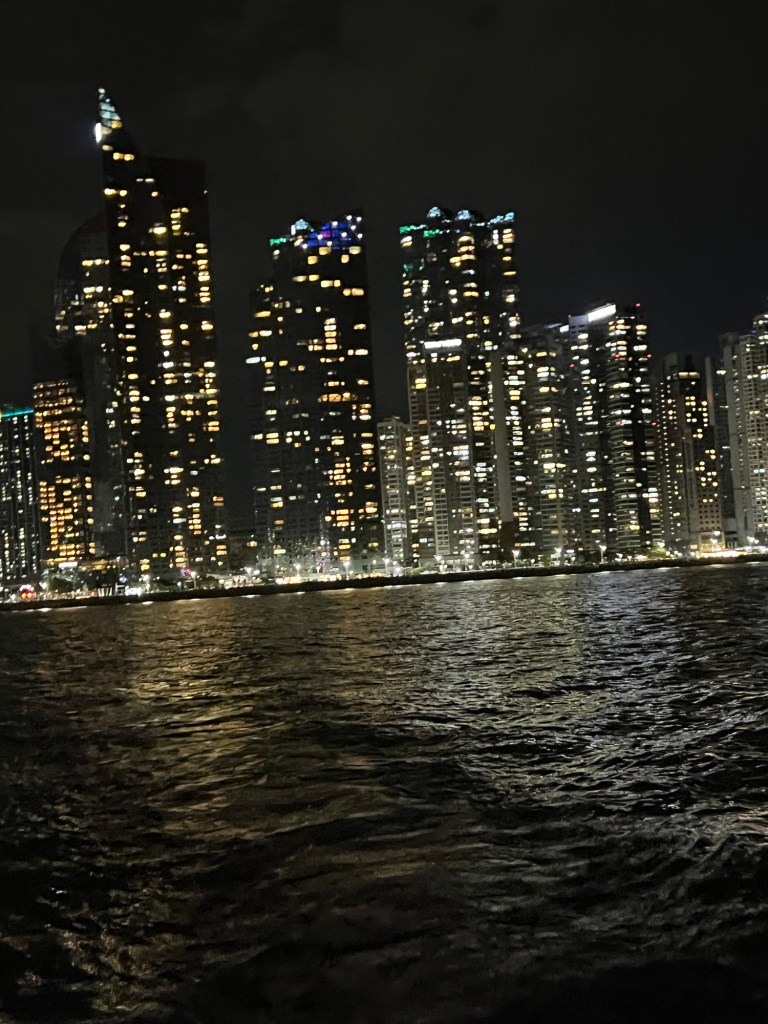
Greeting sunrise on Haeundae beach, I felt comfortable, finally acclimatised I thought. Until the day before I was being bothered by premature fatigue, a peculiar stomach, and a dry throat. Coming into such heat and humidity from Melbourne, where winter refused to give way to spring, had been a shock to my system. After a coastal cable car ride we spent the afternoon at a spa, with hot jacuzzis, a restaurant and a variety of relaxation areas. In the evening we cruised in the harbour aboard a small yacht and had dinner on the beach with hundreds of others enjoying a balmy evening. After a lot of walking I didn’t feel overly tired. We seem to be finding more to do in Busan than Seoul.
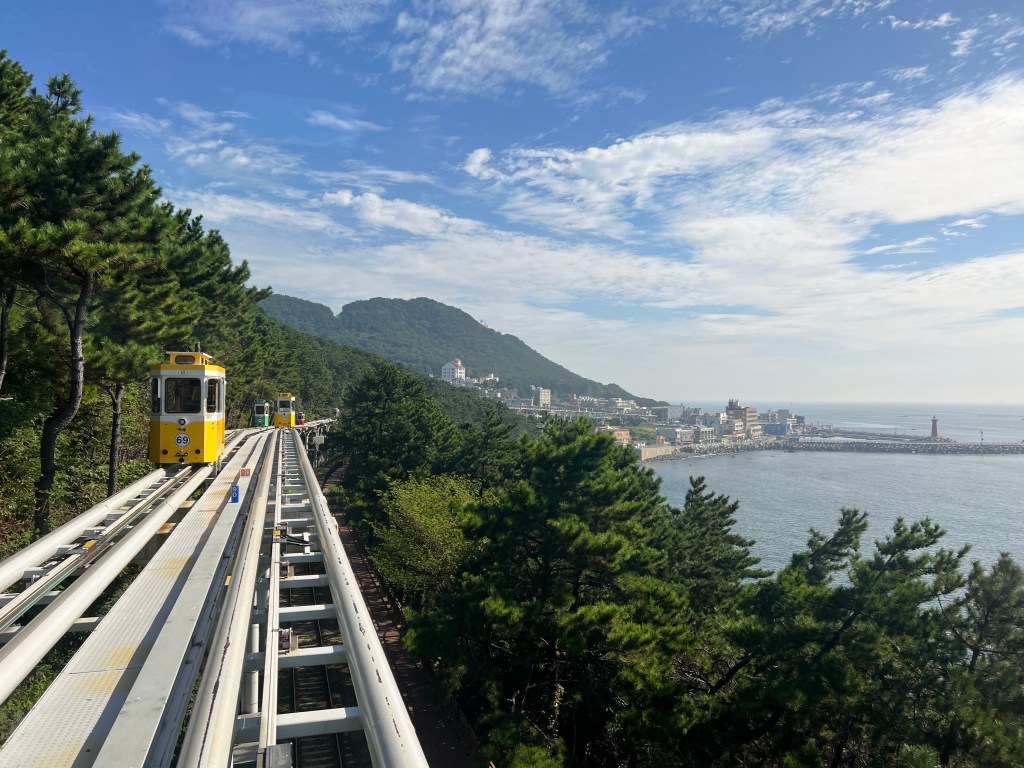
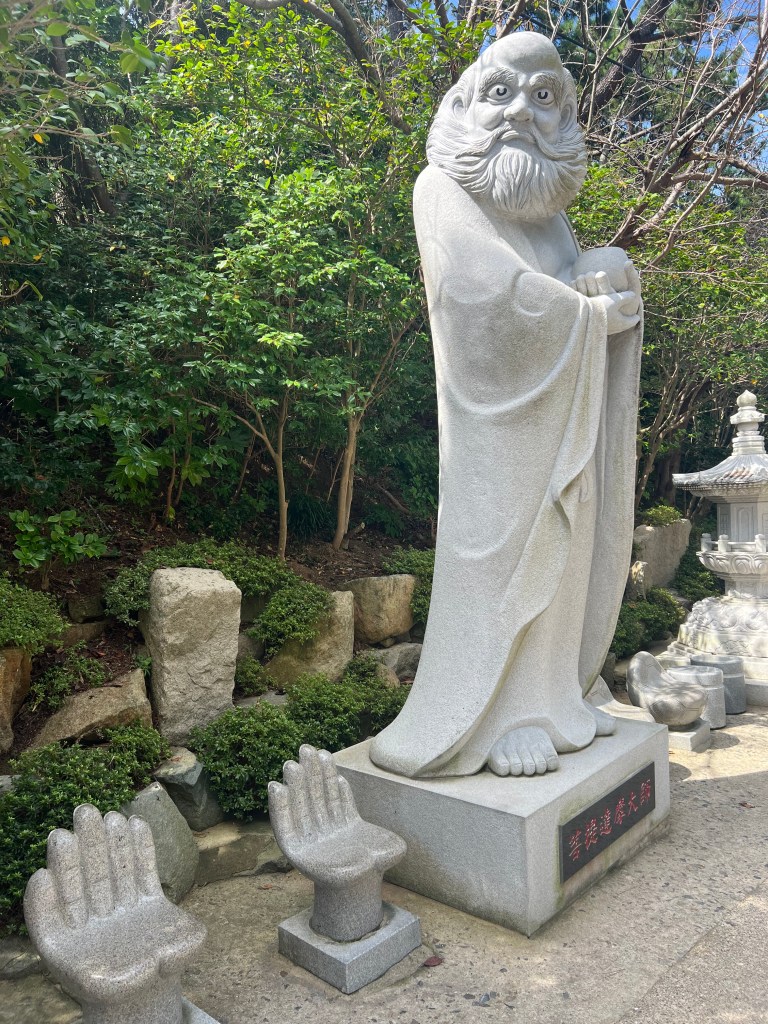
Another coastal adventure awaited us the next morning, aboard a tiny rail capsule that travelled slowly for about thirty minutes. A relaxing experience with great coastal views. From there we went to arguably the place I wanted to see most, Haedong Yonggungsa, an ancient Buddhist temple built into coastal rocks. It was crowded, but I was able to appreciate its magnificence. We went a restaurant not far away for lunch, where we were presented with the weirdest sashimi platter I have ever encountered. Not something I relished.
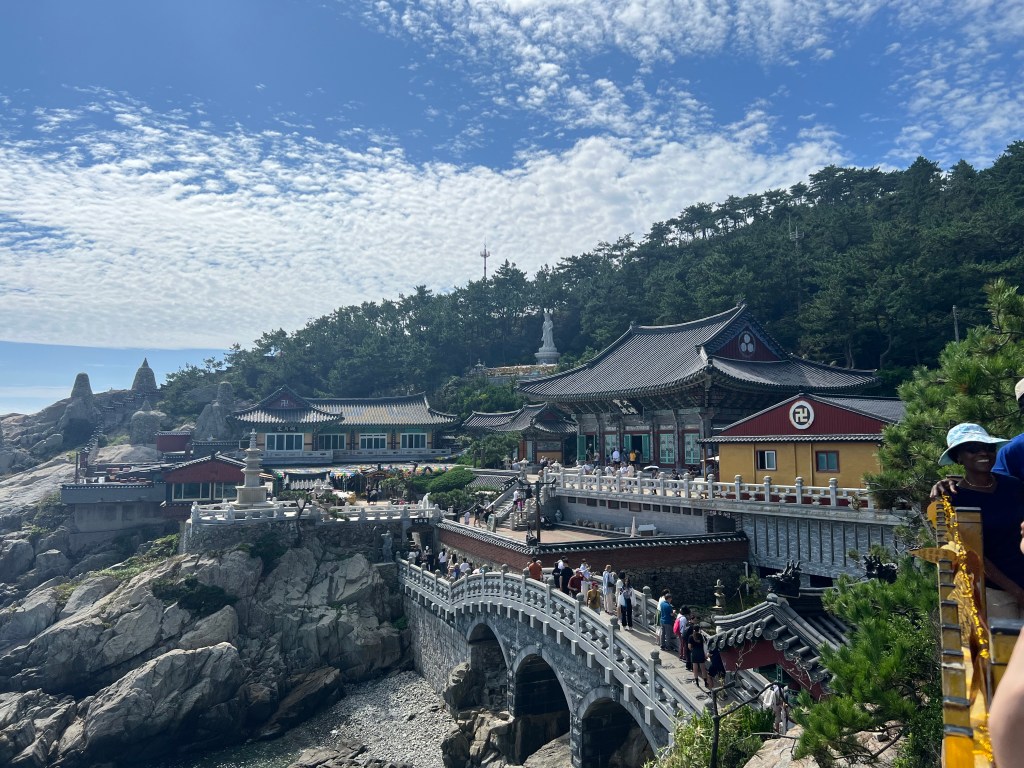
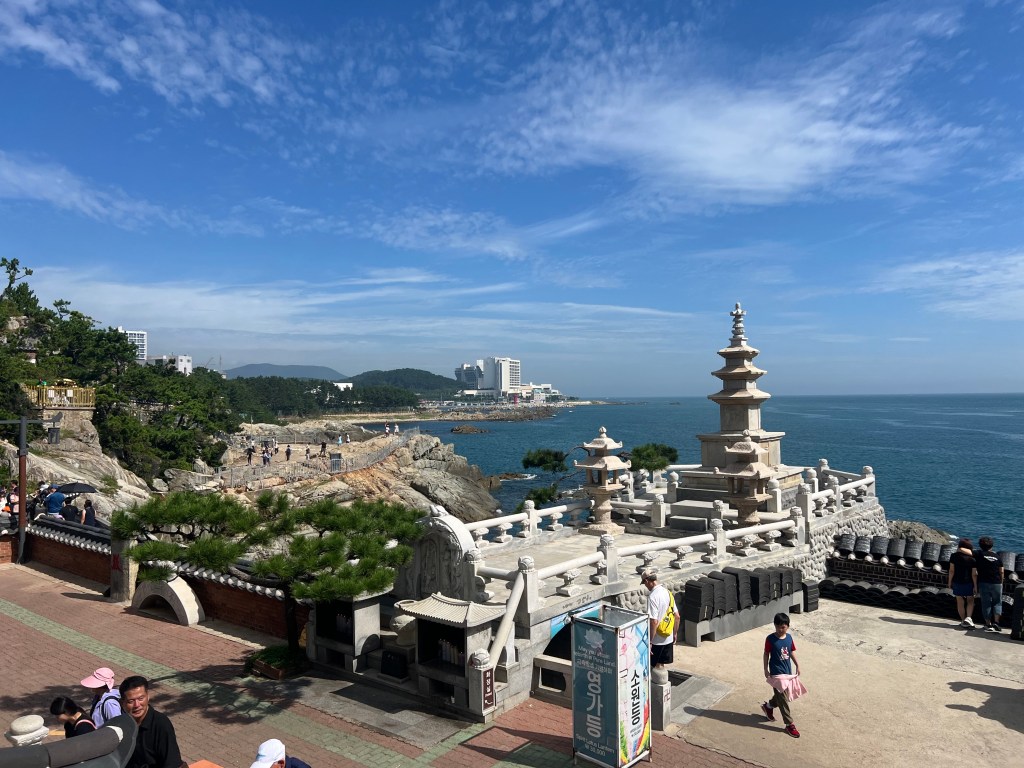
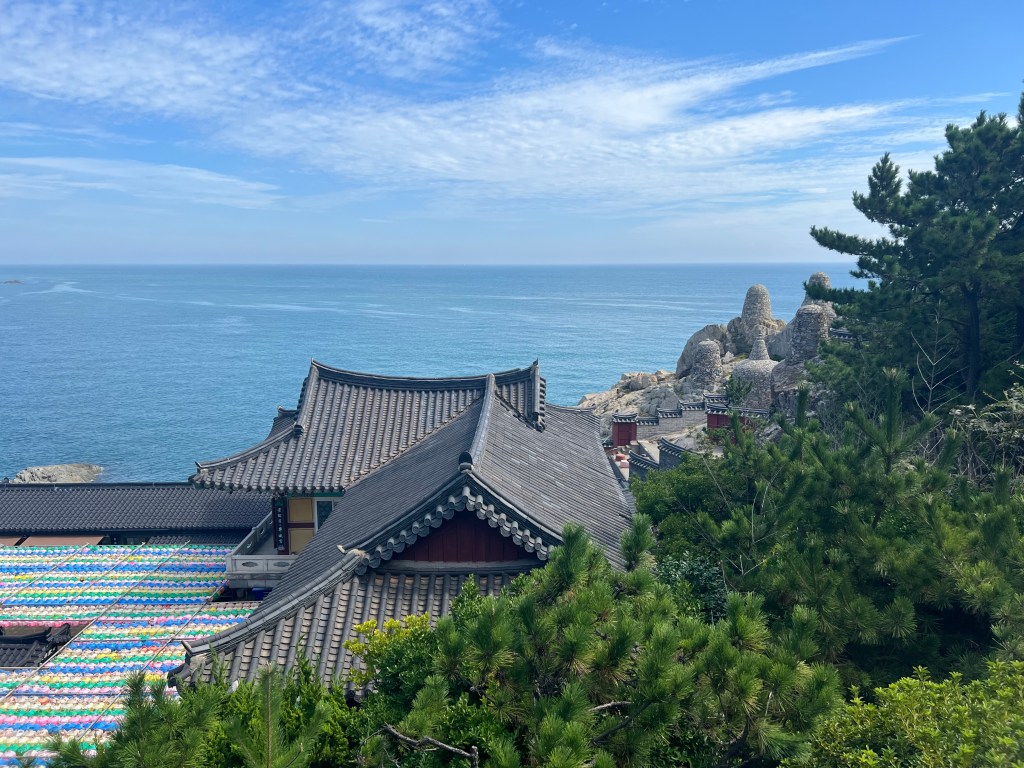
We dined that evening with a Korean friend who lives in Busan. She treated us to barbecued cow innards, tasty but took some getting used to, given what it was.
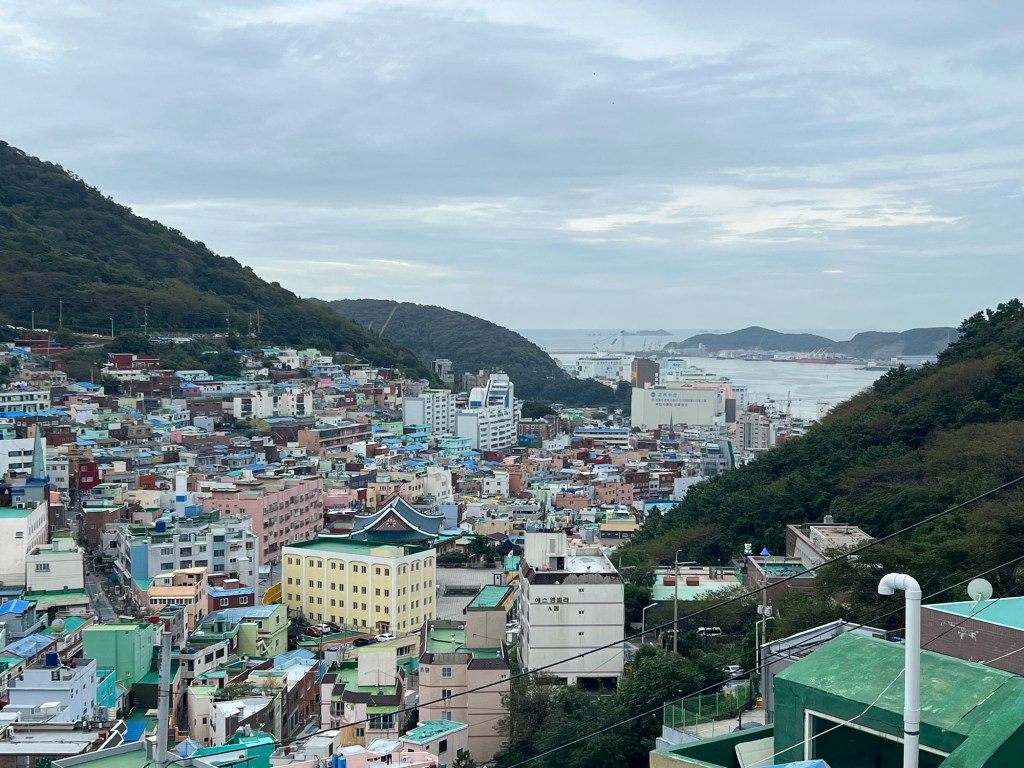

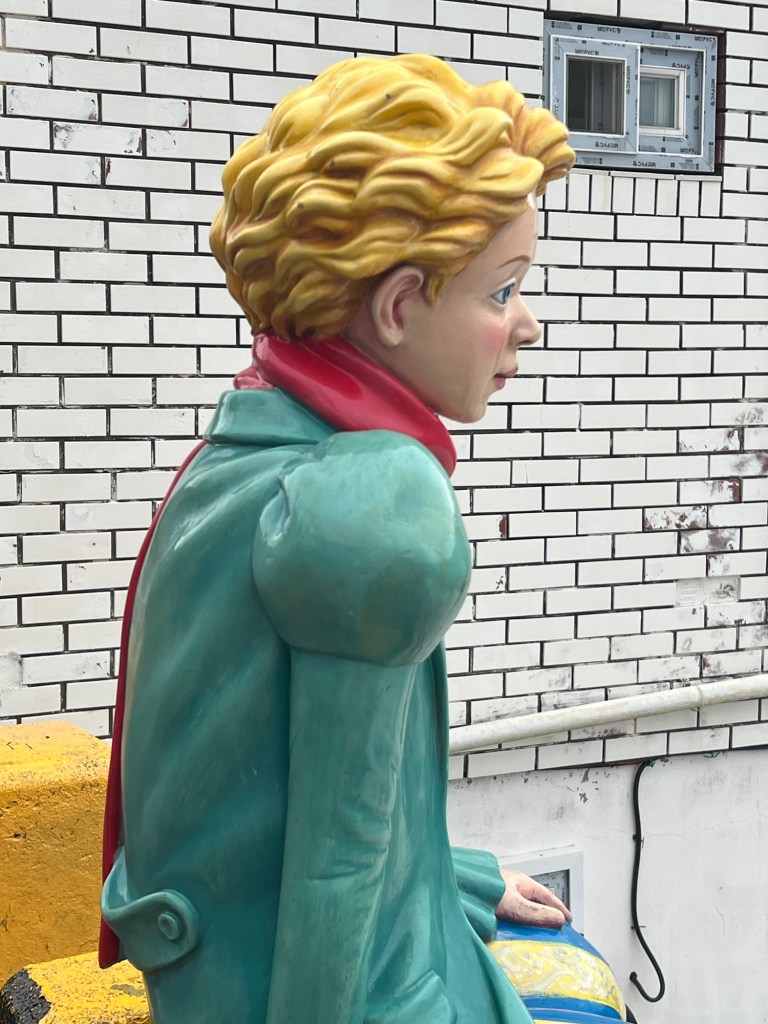
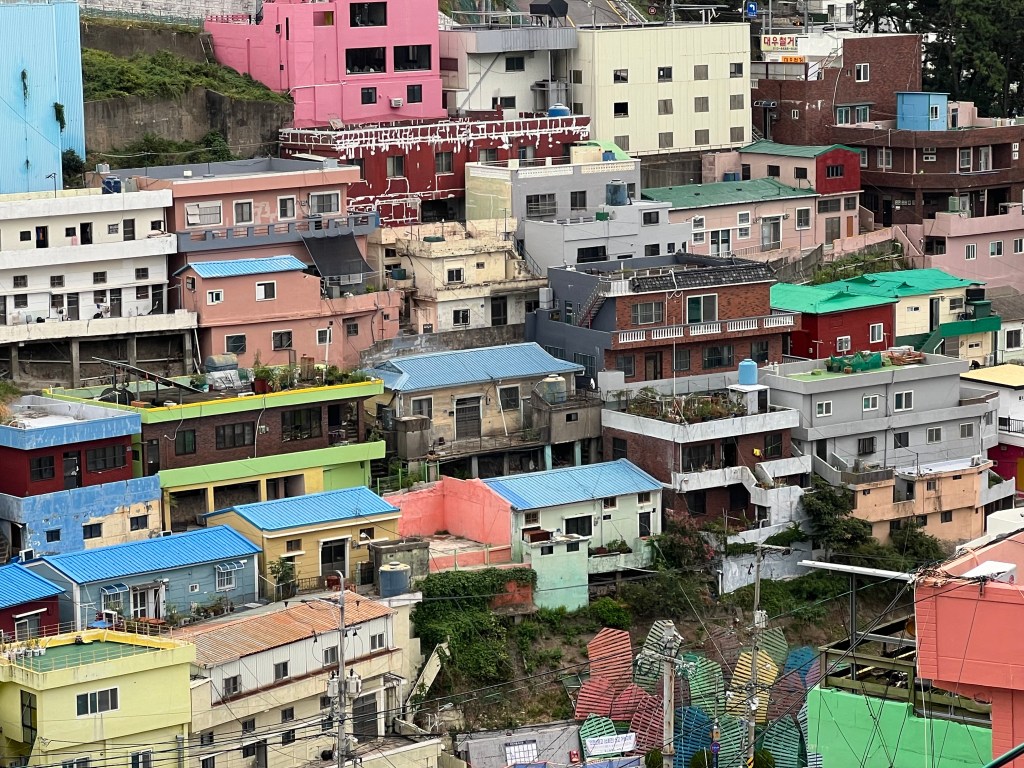
An early morning visit to the Gamcheon culture village was followed by checking out of our hotel and bussing to Busan station to be hurtled back to Seoul on the bullet train. Gamcheon village is a large collection of inhabited, ramshackle houses, which might have been condemned but for their adornment with kitsch, arguably the most famous, the Little Prince, a life-size statue overlooking the village on top of a streetside fence. Visitors can roam the village along streets and alleys, some of which are long, steep, narrow stairways.
On boarding the bus that would take us to the station, we discovered that our travel cards had insufficient money in them. We had to purchase our bus tickets using cash, but that wasn’t as easy as it sounds. The ticket machine wouldn’t accept notes greater than 5000 Won, our smallest note was 10,000 Won (about $11 AUD). Fortunately a helpful passenger rescued us with a wad of 1000 Won notes. It began to rain when we reached Busan station. Rain accompanied us all the way to Seoul, where we arrived to a downpour. After a shopping spree in the awesome Lotte Mart supermarket beside Seoul station we took a subway train to Myeongdong station two stops away. From there, with umbrellas to inadequately protect us from the rain, we sped to our hotel.
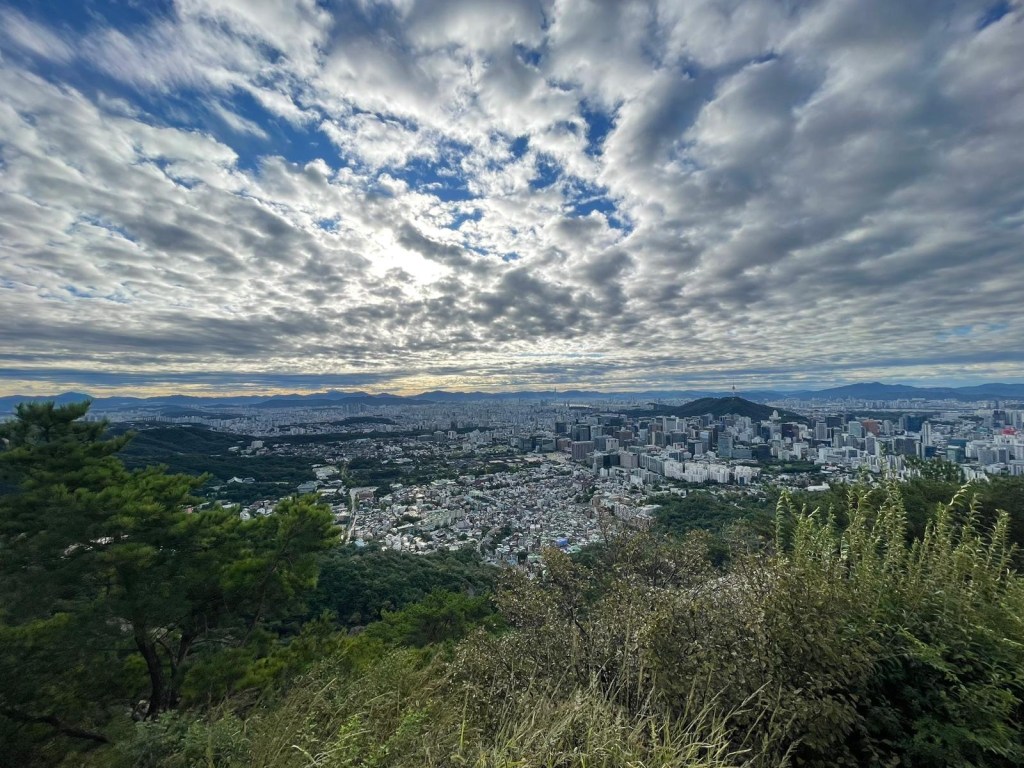
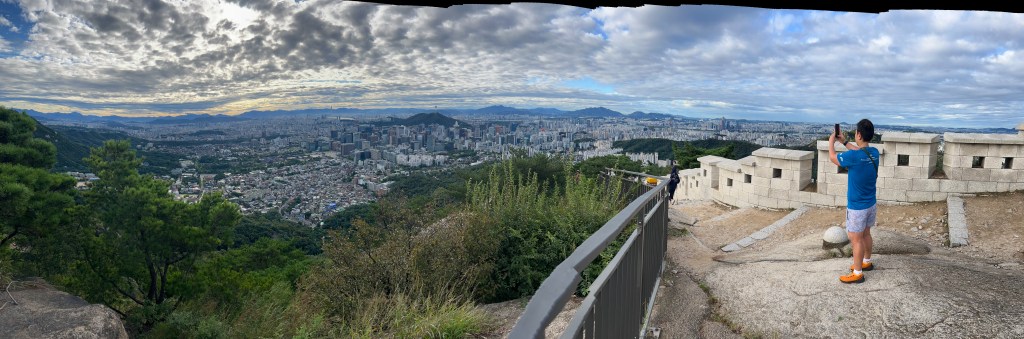
The theme of our last full day in Seoul was, you guessed it, shopping. Nothing more to say. On the morning of departure day we climbed Ingwansan, a mountain in practically the middle of Seoul. It took us an hour of winding paths, stairways and scrambling up rocks to reach the summit, where the views were spectacular.

An unscheduled three-hour transit in Hong Kong marred the journey to Melbourne, but as always it was good to be home.


 Gerry Roberts